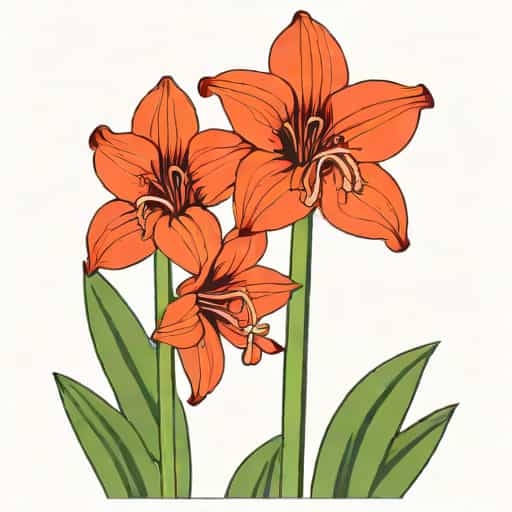
Giant amaryllis bulbs are a spectacular choice for gardeners and flower enthusiasts who want to create bold, eye-catching displays in their homes or gardens. Known for producing large, vibrant blooms, these bulbs belong to the Amaryllidaceae family and are celebrated for their striking colors, impressive size, and ease of cultivation. Giant amaryllis bulbs are especially popular during the winter and holiday seasons because they can be grown indoors, bringing life and color to living spaces when outdoor gardens are dormant. Their dramatic flowers, often reaching up to 10 inches across, come in a variety of shades, including red, pink, white, and striped varieties. Whether grown in pots or planted in the garden, giant amaryllis bulbs provide a stunning focal point and can bloom year after year with proper care and attention.
History and Origins
The amaryllis plant has a rich history that dates back centuries, originating in South America, particularly in regions such as Brazil, Peru, and Chile. Traditionally, these plants grew in tropical and subtropical climates, where their natural adaptation allowed them to thrive in warm, sunny conditions. Over time, horticulturists began cultivating amaryllis bulbs for ornamental purposes, selecting larger bulbs with enhanced flowering potential. The giant amaryllis bulbs we see today are the result of careful breeding to achieve bigger blooms, stronger stems, and a variety of vibrant colors. Their introduction to Europe and North America expanded their popularity, making them a beloved decorative flower for homes and public gardens alike.
Botanical Characteristics
Giant amaryllis bulbs are characterized by their large, round bulbs, which store the nutrients needed to produce spectacular flowers. Each bulb can produce multiple flower stalks, each carrying several blossoms. The leaves are long, strap-like, and glossy green, providing a striking contrast to the colorful flowers. Depending on the variety and growing conditions, giant amaryllis plants can reach heights of up to 24 inches, making them a prominent feature in any garden or indoor display. The flowering period usually lasts for several weeks, offering prolonged enjoyment of their vibrant blooms.
Planting and Growing Giant Amaryllis Bulbs
Growing giant amaryllis bulbs is relatively simple, making them suitable for both beginner and experienced gardeners. These bulbs can be planted in pots for indoor growth or directly in the garden where climate conditions allow. Proper planting techniques, soil selection, and watering are essential for achieving healthy growth and abundant flowering. Bulbs should be placed in well-draining soil with the upper third of the bulb exposed above the soil surface. This positioning helps prevent rot while encouraging strong stem development. Adequate sunlight, moderate watering, and occasional fertilization will ensure robust blooms and long-term plant health.
Indoor Cultivation
Giant amaryllis bulbs are ideal for indoor cultivation, especially during the winter months when outdoor gardening is limited. Planting in decorative pots allows gardeners to enjoy the blooms in living rooms, offices, or other indoor spaces. Indoor cultivation requires bright, indirect sunlight, consistent temperatures, and careful watering to avoid over-saturation. Supporting stakes may be necessary for taller flower stalks to prevent bending or breaking. With proper care, indoor-grown amaryllis can produce multiple flower stalks and even rebloom in subsequent seasons.
Outdoor Planting
In climates with mild winters, giant amaryllis bulbs can be planted outdoors to create stunning garden displays. They prefer sunny locations with well-draining soil and benefit from organic matter, such as compost, to enhance growth. Bulbs should be planted at a depth of approximately 2 inches with space between them to allow for proper airflow and growth. Mulching around the base can help retain moisture and protect the bulbs during colder periods. Outdoor plants may need additional support during heavy rain or wind to maintain the integrity of their tall flower stalks.
Care and Maintenance
Proper care and maintenance are crucial to ensuring the health and longevity of giant amaryllis bulbs. Regular watering during the active growing season helps the plants establish strong roots and supports vibrant blooms. Fertilizing every 2-4 weeks with a balanced, water-soluble fertilizer encourages flowering and overall plant health. After the flowering period, it is important to allow the leaves to continue growing and photosynthesizing, as this process replenishes the bulb’s energy for future blooms. Once the foliage naturally dies back, the bulbs can be stored in a cool, dry place for a rest period before replanting for the next flowering season.
Pest and Disease Management
Giant amaryllis bulbs are generally resilient, but they can be affected by pests and diseases such as spider mites, aphids, and fungal infections. Regular inspection of leaves and flowers can help detect problems early. Maintaining good air circulation around the plants and avoiding excessive moisture on leaves and flowers can prevent fungal issues. If pests are identified, natural remedies or appropriate insecticides can be used to manage infestations without harming the plant.
Varieties of Giant Amaryllis Bulbs
There are numerous varieties of giant amaryllis bulbs, each offering unique colors, patterns, and growth characteristics. Popular varieties include the classic red amaryllis, which is a holiday favorite, as well as pink, white, orange, and multi-colored striped types. Some hybrid varieties have been developed to produce multiple flower stalks per bulb, increasing the visual impact of a single plant. Gardeners can select varieties based on personal preference, climate suitability, and desired flowering characteristics, allowing for creative arrangements in indoor or outdoor spaces.
- Red varieties for traditional holiday displays
- White and cream types for elegant, neutral arrangements
- Pink and peach shades for softer, romantic displays
- Striped and multi-colored hybrids for striking visual contrast
- Varieties with multiple flower stalks for maximum impact
Uses and Decorative Appeal
Giant amaryllis bulbs are prized for their decorative appeal and versatility. Indoors, they can be used as centerpieces, seasonal decorations, or focal points in rooms with natural light. Outdoors, they create vibrant garden displays, complementing other perennials and seasonal plants. Their tall flower stalks and large blooms make them ideal for creating vertical interest in garden beds or patios. Additionally, cut amaryllis flowers are long-lasting in vases, making them a popular choice for floral arrangements and gifts.
Seasonal and Gift Purposes
Giant amaryllis bulbs are especially popular during the winter and holiday season, when they can bloom indoors, providing color and cheer during colder months. They are commonly sold as potted plants or bulbs that can be gifted to friends and family. Their dramatic blooms and ease of cultivation make them an ideal present for gardening enthusiasts or anyone looking to brighten their home environment.
Giant amaryllis bulbs are a stunning addition to any garden or indoor space, offering large, colorful blooms and ease of cultivation. Their history, diverse varieties, and adaptability make them suitable for both beginners and experienced gardeners. Whether grown indoors during the winter months or planted outdoors in suitable climates, these bulbs provide long-lasting beauty and a dramatic focal point. Proper planting, care, and maintenance ensure that giant amaryllis bulbs will bloom year after year, providing a reliable and spectacular floral display. With their vibrant colors, impressive size, and decorative versatility, giant amaryllis bulbs continue to be a favorite among gardeners and flower enthusiasts worldwide, brightening homes and gardens with elegance and charm.