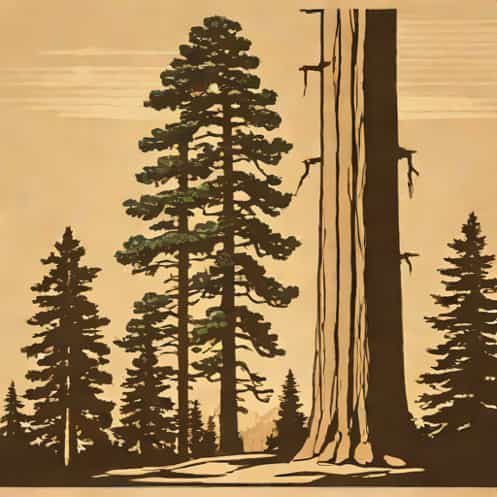
Giant Sequoia National Park is one of the most iconic natural treasures in the United States, renowned for its towering trees, breathtaking landscapes, and diverse wildlife. Located in the southern Sierra Nevada mountains of California, the park is home to some of the largest trees in the world, including the famous General Sherman Tree, which holds the title of the largest living tree by volume. Visitors to the park are often struck by the sheer scale and majesty of the sequoias, as well as the serenity of the surrounding forests, meadows, and rivers. Beyond its famous trees, Giant Sequoia National Park offers opportunities for hiking, camping, wildlife observation, and photography, making it a destination that appeals to nature lovers, adventure seekers, and families alike.
History of Giant Sequoia National Park
Giant Sequoia National Park was established in 1890 to protect the remarkable groves of giant sequoias from logging and development. These ancient trees, some of which are over 3,000 years old, were recognized for their ecological importance and unmatched size. Early conservationists, including naturalists and scientists, advocated for the preservation of these magnificent trees, leading to the creation of the park. Over the years, the park has expanded its boundaries and now encompasses over 400,000 acres, preserving a variety of ecosystems ranging from dense forests to high-elevation meadows.
The park’s history is also closely tied to the indigenous peoples who have lived in the Sierra Nevada region for thousands of years. Native American tribes, such as the Monache and Yokuts, relied on the land for sustenance and spiritual practices. Today, the park collaborates with local tribes to honor their heritage and incorporate traditional ecological knowledge into conservation efforts.
Flora and Fauna
Giant Sequoia National Park is home to an extraordinary variety of plant and animal life, making it a biodiversity hotspot. The park’s most famous residents are, of course, the giant sequoias themselves. These massive trees can reach heights of over 300 feet and diameters exceeding 30 feet, with some trees living for more than three millennia. The sequoias thrive in specific conditions of the Sierra Nevada, including well-drained soils, abundant sunlight, and seasonal snowmelt that provides moisture.
Plant Life
- Giant Sequoias The park contains over 2,000 mature giant sequoias spread across 75 groves.
- Ponderosa Pine and White Fir Common in the mid-elevation forests, providing habitat and shade for smaller plants.
- Wildflowers Meadows bloom with a variety of wildflowers in the spring and summer, including lupine, Indian paintbrush, and columbine.
- Shrubs and Ferns Understory vegetation includes huckleberry, manzanita, and delicate ferns that thrive in the shade of the towering trees.
Wildlife
The park is home to a range of wildlife, from small mammals to large predators. Commonly spotted animals include black bears, mule deer, bobcats, and foxes. Birdwatchers can observe species such as the Steller’s jay, mountain chickadee, and the northern goshawk. Amphibians and reptiles, including the Sierra Nevada yellow-legged frog and western fence lizard, inhabit the park’s streams and forest floors.
Popular Attractions
Giant Sequoia National Park offers numerous attractions that draw visitors from around the world. While the sequoia groves are the main highlight, there are additional sites and activities that make the park an unforgettable experience.
General Sherman Tree
The General Sherman Tree is the largest living tree on Earth by volume. Visitors can access the tree via a short trail from the parking area, making it an accessible and awe-inspiring destination. Informative signs along the path provide details about the tree’s age, size, and ecological significance.
Moro Rock
Moro Rock is a massive granite dome that offers panoramic views of the Sierra Nevada mountains and the surrounding forest. A stairway leads visitors to the summit, where they can witness breathtaking sunrises or sunsets over the park’s valleys.
Congress Trail
This scenic trail winds through some of the largest groves of giant sequoias, including the Giant Forest. Hikers can observe multiple famous trees, such as the President Tree and the Senate Group, all within a relatively short walking distance.
Hiking and Camping
The park provides over 100 miles of trails suitable for all skill levels, from easy nature walks to challenging backcountry hikes. Campgrounds, such as Lodgepole and Dorst Creek, allow visitors to immerse themselves in the natural surroundings while enjoying modern amenities.
Visitor Tips
Visiting Giant Sequoia National Park requires some planning to make the most of the experience. Here are some helpful tips
- Arrive early to avoid crowds, especially at popular groves and the General Sherman Tree.
- Check the weather and park alerts, as snow or road closures can affect access during winter months.
- Wear comfortable shoes suitable for hiking, and bring water and snacks for longer trails.
- Respect wildlife and follow Leave No Trace principles to preserve the park’s ecosystem.
- Consider visiting in spring or summer for wildflower blooms and easier trail conditions.
Conservation Efforts
Giant Sequoia National Park is committed to preserving its unique ecosystems and ancient trees. The park engages in wildfire management, invasive species control, and habitat restoration to maintain ecological balance. Controlled burns are used to mimic natural fire cycles, which are essential for the reproduction of giant sequoias. Additionally, educational programs and guided tours help visitors understand the importance of conservation and inspire responsible behavior within the park.
Photography and Educational Opportunities
The park provides incredible opportunities for photography, from capturing the towering trees to panoramic mountain vistas. Educational programs, ranger talks, and visitor centers offer insight into the park’s natural history, geology, and ecology. These programs are designed to engage audiences of all ages and provide a deeper appreciation of the park’s natural wonders.
Nearby Attractions
While visiting Giant Sequoia National Park, travelers can explore nearby attractions in the Sierra Nevada region. Kings Canyon National Park, located adjacent to the park, offers dramatic canyons, rivers, and additional groves of giant sequoias. Local towns, such as Three Rivers, provide accommodations, dining, and outdoor adventure opportunities, making it convenient for multi-day visits.
Giant Sequoia National Park is a remarkable destination that offers visitors the chance to experience some of the oldest and largest living organisms on Earth. From the awe-inspiring General Sherman Tree to the serene hiking trails and diverse wildlife, the park provides an unforgettable experience for nature enthusiasts, photographers, and families alike. By exploring the sequoia groves, enjoying scenic viewpoints, and participating in educational programs, visitors gain a deeper understanding of the importance of conservation and the majesty of the natural world. Whether seeking adventure, relaxation, or inspiration, Giant Sequoia National Park remains a must-visit destination that showcases the beauty and grandeur of California’s Sierra Nevada mountains.