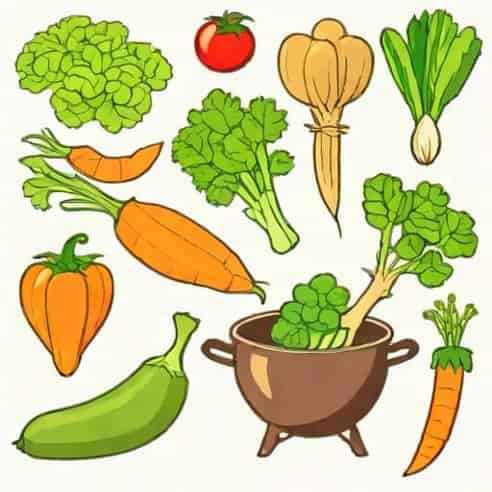
Sautéing is one of the most versatile and flavorful cooking techniques, perfect for bringing out the natural taste and texture of vegetables. This method involves cooking vegetables quickly in a small amount of oil or butter over medium to high heat, often with seasonings like garlic, herbs, or spices. Choosing the right vegetables for sautéing is essential, as some hold up well under heat, while others can become mushy or lose flavor. Knowing which vegetables are best suited for this method allows cooks to create vibrant, nutritious, and delicious dishes, whether as a side, a main component, or a mix for stir-fries. Understanding the texture, water content, and cooking time of each vegetable is key to mastering the art of sautéing and producing meals that are both visually appealing and flavorful.
Leafy Greens
Leafy greens are excellent for sautéing due to their quick cooking time and ability to absorb flavors from oils, garlic, and other seasonings. They add color, texture, and nutrients to any dish. Common leafy greens suitable for sautéing include
- SpinachCooks rapidly and becomes tender, perfect with garlic and olive oil.
- KaleSlightly tougher than spinach, it benefits from a few minutes of sautéing with a bit of liquid to soften.
- Swiss ChardOffers vibrant colors; stems take slightly longer to cook than the leaves.
- Collard GreensThicker leaves require a longer sauté time, but they absorb flavors well.
Cruciferous Vegetables
Cruciferous vegetables, part of the cabbage family, have a robust texture and a slightly peppery flavor, making them excellent for sautéing. Their natural sweetness and crispness develop beautifully when cooked over medium-high heat.
- BroccoliCut into small florets for even cooking; it retains crunch and absorbs seasonings well.
- CauliflowerSmall florets or thin slices sauté quickly and develop a mild, nutty flavor.
- Brussels SproutsHalved or quartered, they caramelize nicely, enhancing their sweetness.
- CabbageThinly sliced, it softens quickly and pairs well with a variety of seasonings.
Root Vegetables
Root vegetables are heartier and denser, requiring slightly longer sauté times to become tender. Their natural sugars caramelize during cooking, adding depth and flavor to dishes. Popular root vegetables for sautéing include
- CarrotsThinly sliced or julienned, they cook evenly and add a natural sweetness.
- ParsnipsSimilar to carrots, they bring an earthy flavor and pair well with herbs.
- BeetsWhen thinly sliced or cut into small cubes, sautéing enhances their sweetness.
- TurnipsAdds a slightly peppery flavor and softens beautifully when cooked.
Alliums
Alliums like onions, garlic, and leeks are foundational vegetables for sautéing. They develop deep flavors and aromas that enhance any dish. Cooking them slowly over medium heat can bring out their natural sweetness and balance stronger flavors.
- OnionsYellow, white, or red onions work well; they caramelize and add depth.
- GarlicMinced or thinly sliced, garlic infuses oil with flavor and complements nearly all vegetables.
- LeeksCleaned thoroughly and sliced, they add a mild, sweet onion flavor.
- ShallotsOffer a delicate, slightly sweet flavor ideal for refined dishes.
Peppers and Squash
Vegetables like peppers and squash bring color, moisture, and natural sweetness to sautéed dishes. They cook quickly and pair well with a variety of spices and herbs.
- Bell PeppersSlice thinly to maintain crispness and vibrant color.
- ZucchiniSlices or cubes sauté quickly, retaining a tender texture without becoming mushy.
- Yellow SquashSimilar to zucchini, with a slightly sweeter flavor.
- FennelThinly sliced, it softens and develops a mild, anise-like flavor.
Mushrooms
Mushrooms are highly versatile and perfect for sautéing due to their umami-rich flavor and ability to release moisture. Choosing the right variety can affect both taste and texture.
- Button MushroomsCook quickly and are mild in flavor, absorbing seasonings well.
- Cremini MushroomsOffer a deeper, earthier flavor than button mushrooms.
- Portobello MushroomsThick slices or cubes sauté well and develop a meaty texture.
- Shiitake MushroomsAdd rich, savory flavors to sautéed vegetable mixes.
Tips for Perfect Sautéed Vegetables
To get the best results when sautéing vegetables, keep in mind the following tips
- Use a wide pan to allow even heat distribution and prevent overcrowding, which can cause steaming instead of sautéing.
- Cut vegetables into uniform sizes to ensure even cooking.
- Preheat the pan before adding oil to achieve proper searing and flavor development.
- Season in stages add salt early for dense vegetables and herbs toward the end for freshness.
- Consider adding a splash of liquid like broth, wine, or lemon juice for deglazing and extra flavor.
- Finish with fresh herbs or a drizzle of olive oil for added aroma and taste.
Combining Vegetables for Sautéing
Combining vegetables with complementary textures and flavors can elevate a sautéed dish. For example
- Leafy greens with mushrooms create a mix of tender and umami-rich textures.
- Root vegetables with alliums provide sweetness and depth.
- Bell peppers, zucchini, and squash offer a colorful, lightly sweet combination.
- Cruciferous vegetables with garlic and olive oil make a flavorful and healthy side.
Experimenting with combinations allows for creativity while ensuring balanced flavors and textures in each dish.
Health Benefits of Sautéed Vegetables
Sautéing vegetables is not only quick and flavorful but also preserves many nutrients compared to boiling or deep-frying. Light sautéing with healthy oils like olive or avocado oil helps retain vitamins, minerals, and antioxidants while adding beneficial fats. Including a variety of vegetables in sautéed dishes ensures a wide range of nutrients, including fiber, vitamin C, vitamin A, folate, and potassium. The natural flavors of vegetables are enhanced with minimal added fat, making sautéing a healthy cooking method.
Choosing the right vegetables for sautéing is essential to creating dishes that are both flavorful and visually appealing. Leafy greens, cruciferous vegetables, root vegetables, alliums, peppers, squash, and mushrooms all offer unique textures, flavors, and nutrients that shine when sautéed properly. By understanding the cooking times, water content, and seasoning techniques for each type of vegetable, cooks can produce vibrant, delicious meals suitable for any occasion. Sautéing is a flexible and health-conscious cooking method, and experimenting with different vegetables and combinations allows for endless culinary creativity. Whether served as a side dish, part of a main course, or incorporated into stir-fries and mixed plates, sautéed vegetables are a simple yet powerful way to enjoy fresh, nutritious, and satisfying food.