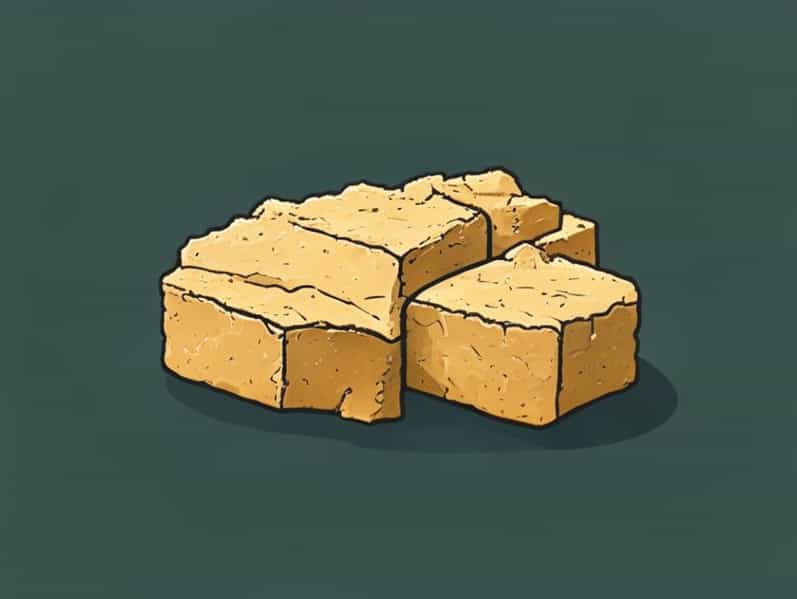
Hardtack is a type of simple, long-lasting biscuit that has played a significant role in history, particularly as a staple food for soldiers, sailors, and explorers. Known for its extreme durability and minimal ingredients, hardtack has been used for centuries as a survival ration. It is often associated with military campaigns, sea voyages, and frontier life, where fresh food was scarce and storage conditions were challenging. Despite its hard texture and plain taste, hardtack remains an important cultural and historical symbol, representing resilience, simplicity, and the necessities of life during times of scarcity.
What is Hardtack?
Hardtack is essentially a type of cracker made from just a few ingredients flour, water, and sometimes salt. It is baked multiple times to remove as much moisture as possible, which gives it a very hard and dry texture. This method of preparation allows hardtack to last for months, or even years, without spoiling, making it ideal for situations where refrigeration or fresh supplies are unavailable. Its simplicity is both its strength and its limitation, providing sustenance but little in the way of flavor or nutritional variety.
Historical Origins of Hardtack
The origins of hardtack date back to ancient and medieval times, when long-lasting food was essential for soldiers and travelers. Sailors in particular relied on hardtack during long sea voyages, as it could withstand harsh conditions and provide a reliable source of calories. The term hardtack is believed to have emerged in the 19th century, though similar foods existed under different names in various cultures. In Europe, it was known as ship’s biscuit or pilot bread, and in other parts of the world, comparable rations were used for military and exploration purposes.
- Used by sailors during long sea voyages
- Consumed by soldiers during military campaigns
- Known as ship’s biscuit, pilot bread, or hard bread in various regions
- Essential for survival when fresh food was unavailable
Ingredients and Preparation
The traditional recipe for hardtack is extremely basic. Flour, water, and sometimes salt are combined to form a dough. The dough is rolled out and cut into squares or rectangles, often with small holes poked through each piece to prevent puffing during baking. The initial baking dries the dough, and it may be baked again to ensure maximum hardness and longevity. This double-baking process is what gives hardtack its signature durability.
Variations of Hardtack
While the basic recipe remains consistent, variations exist depending on the time period and region. Some recipes include a small amount of fat or leavening, while others use whole wheat or rye flour for added flavor and nutrition. During wartime, hardtack might be packaged with preservatives or in airtight containers to extend shelf life further. Despite these variations, the core principle of creating a long-lasting, dry biscuit remains unchanged.
- Basic ingredients flour, water, salt
- Double-baked for maximum durability
- Variations include different flours, fats, or leavening agents
- Holes are poked to prevent puffing during baking
Hardtack in Military History
Hardtack is closely associated with military history, particularly in the 18th and 19th centuries. Armies relied on it as a non-perishable source of calories during campaigns when fresh food was unavailable. In the American Civil War, for example, both Union and Confederate soldiers carried hardtack as a standard ration. Soldiers often paired hardtack with other preserved foods, such as salted meat, to create a more balanced meal. Although its hard texture and bland taste were often criticized, it was valued for its practicality and shelf life.
Challenges of Eating Hardtack
Eating hardtack was not always easy. Its extreme hardness meant that it often had to be soaked in water, coffee, or soup before consumption to prevent damage to teeth and gums. In some cases, soldiers and sailors resorted to hammering or breaking the biscuits into smaller pieces. Despite these challenges, hardtack remained a crucial part of rations because it could withstand long storage times and harsh conditions without spoiling.
- Standard ration for soldiers and sailors
- Paired with salted meats or soups for sustenance
- Soaked or softened before eating to prevent dental issues
- Critical during campaigns and long voyages
Hardtack in Exploration and Survival
Beyond the military, hardtack has also been a vital food for explorers and frontiersmen. In remote or undeveloped areas, access to fresh food was limited, making hardtack a reliable and portable source of nutrition. Explorers often carried hardtack alongside other preserved foods, such as dried fruits or jerky, to sustain themselves during long expeditions. Its portability and longevity made it ideal for survival situations, and it is still included in some emergency rations today.
Modern Uses and Cultural Significance
Today, hardtack is less common as a daily food item but retains cultural and historical significance. It is often used in reenactments, historical demonstrations, and educational programs to illustrate life during past centuries. Additionally, hardtack is sometimes included in survival kits and emergency rations due to its long shelf life and minimal storage requirements. For many people, it represents a connection to history and the resilience of those who relied on it for survival.
- Used in historical reenactments and educational programs
- Included in emergency and survival kits
- Represents historical resilience and practicality
- Serves as a cultural symbol of endurance and simplicity
Hardtack may seem like a simple, unremarkable biscuit, but its impact on history is profound. From military campaigns to sea voyages and frontier exploration, hardtack has provided reliable sustenance when fresh food was scarce or unavailable. Its extreme durability, minimal ingredients, and historical significance make it a fascinating topic for anyone interested in culinary history, survival skills, or military life. By understanding what hardtack is, how it was made, and its role in history, we gain insight into the ingenuity and resilience of past generations, as well as the simple yet effective solutions they relied upon to endure challenging circumstances.