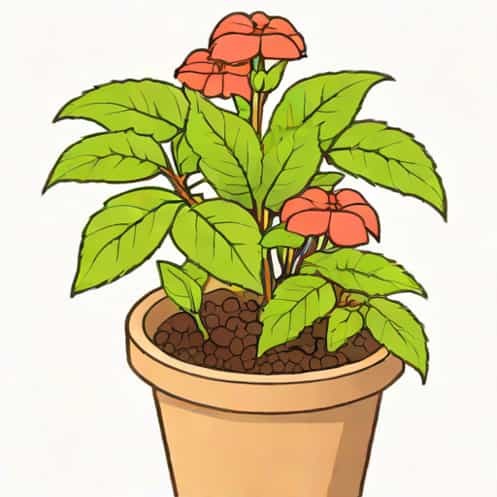
Growing impatiens from seed is a rewarding gardening activity that allows you to enjoy vibrant blooms in your garden throughout the growing season. Starting impatiens from seed requires patience, attention to detail, and an understanding of the specific conditions these plants need to thrive. Unlike purchasing seedlings or mature plants, growing from seed gives gardeners full control over plant selection, colors, and variety, while also offering a deeper connection to the growth process. With proper planning, soil preparation, and care, even beginner gardeners can successfully cultivate impatiens from seed and create beautiful, long-lasting floral displays.
Understanding Impatiens
Impatiens are popular annual flowering plants known for their bright, colorful blooms and ability to thrive in shaded garden areas. They are often used in flower beds, containers, and hanging baskets due to their compact growth and consistent flowering. Impatiens grow best in well-draining soil with moderate moisture and benefit from partial to full shade, making them ideal for gardens that receive limited sunlight. Understanding the growth habits and requirements of impatiens is essential before starting seeds to ensure healthy, robust plants.
Choosing the Right Seeds
Selecting high-quality impatiens seeds is the first step in a successful growing process. Consider the following factors
- VarietyThere are several types of impatiens, including garden impatiens, New Guinea impatiens, and double-flowered varieties. Choose the variety that best suits your climate, garden design, and personal preference.
- Seed QualityPurchase seeds from reputable suppliers to ensure high germination rates and strong, disease-resistant plants.
- Color SelectionImpatiens come in a wide range of colors, from reds and pinks to purples and whites. Selecting your desired color scheme helps plan your garden layout and overall aesthetic.
Preparing for Seed Starting
Proper preparation is crucial when starting impatiens from seed. Unlike larger seeds, impatiens seeds are extremely small and require careful handling. Preparing the right growing medium, containers, and environmental conditions sets the stage for successful germination.
Seed Starting Containers
Choose shallow trays, seed flats, or small pots with drainage holes. Impatiens seeds need a fine, well-draining seed-starting mix rather than garden soil. Seed-starting trays provide adequate spacing and allow easy monitoring of moisture levels, which is vital for preventing mold and ensuring successful germination.
Seed-Starting Medium
Use a light, fluffy seed-starting mix that retains moisture without becoming waterlogged. Avoid heavy soils that can smother tiny seeds. Some gardeners prefer a mix of peat moss, vermiculite, and perlite, which provides an ideal environment for seed germination.
Light and Temperature Requirements
Impatiens seeds require consistent warmth to germinate, typically between 70°F and 75°F (21°C 24°C). Providing a gentle heat source, such as a seedling heat mat, can improve germination rates. While impatiens seeds need light to sprout, they should not be exposed to direct sunlight initially. Place the trays in a bright location or under grow lights to ensure adequate light exposure for seedlings.
Sowing Impatiens Seeds
Sowing impatiens seeds is a delicate process due to their tiny size. Follow these steps to ensure proper planting and early growth
Surface Sowing
Impatiens seeds should be sown on the surface of the seed-starting mix rather than buried, as they need light to germinate. Gently scatter the seeds across the moistened soil, ensuring even spacing to prevent overcrowding. Avoid pressing the seeds too deeply into the soil, as this can hinder germination.
Moisture and Humidity
Keep the seed-starting medium consistently moist but not waterlogged. Use a spray bottle to mist the surface lightly, maintaining gentle and even moisture. Covering the seed tray with a clear plastic lid or plastic wrap can help retain humidity, which encourages faster germination.
Germination Timeline
Under optimal conditions, impatiens seeds usually germinate within 10 to 14 days. During this time, monitor moisture levels carefully and ensure adequate light. Once seedlings emerge, remove the cover to prevent damping-off disease and provide good air circulation.
Seedling Care and Transplanting
After germination, impatiens seedlings require careful attention to grow into strong, healthy plants. Proper thinning, watering, and feeding help promote robust growth and reduce the risk of disease.
Thinning Seedlings
Once seedlings develop their first true leaves, thin them to prevent overcrowding. This allows each plant sufficient space to grow and access nutrients and light. Gently snip weaker seedlings at the base rather than pulling them to avoid disturbing neighboring plants.
Watering and Fertilizing
Maintain consistent moisture, ensuring the soil is damp but not soggy. Fertilize lightly with a diluted, balanced liquid fertilizer every two weeks to encourage strong root and leaf development. Avoid over-fertilizing, as this can damage delicate seedlings.
Hardening Off
Before transplanting seedlings outdoors, gradually acclimate them to outdoor conditions. Start by placing seedlings outside in a shaded, protected area for a few hours a day, gradually increasing exposure to sunlight and wind over one to two weeks. This process strengthens the plants and reduces transplant shock.
Planting in the Garden
When seedlings are well-established and outdoor conditions are suitable, usually after the last frost, it is time to plant impatiens in the garden.
Site Selection
Choose a location with partial to full shade, as impatiens thrive in lower light conditions. Ensure the soil is rich in organic matter, well-draining, and slightly acidic to neutral. Adding compost or aged manure enhances soil fertility and improves moisture retention.
Spacing and Planting
Plant seedlings 8 to 12 inches apart to allow for adequate airflow and growth. Dig a hole slightly larger than the root ball, place the seedling gently, and backfill with soil. Water thoroughly after planting to help establish roots and reduce transplant stress.
Ongoing Care and Maintenance
Maintaining healthy impatiens plants involves regular watering, fertilization, and disease prevention. Impatiens require consistent moisture, especially during dry periods, and benefit from a slow-release fertilizer applied every 4 to 6 weeks. Mulching around plants helps retain soil moisture, suppress weeds, and maintain a stable root temperature.
Pest and Disease Management
Impatiens can be susceptible to pests such as aphids and spider mites, as well as diseases like downy mildew. Inspect plants regularly for signs of infestation or infection. Remove affected leaves promptly and use appropriate organic or chemical treatments when necessary to protect the overall health of the garden.
Growing impatiens from seed is a gratifying process that allows gardeners to enjoy vibrant, long-lasting blooms and take pride in nurturing plants from the very beginning. By selecting high-quality seeds, preparing an ideal seed-starting environment, and providing proper care through germination, seedling growth, and garden planting, gardeners can successfully cultivate beautiful impatiens displays. Attention to detail, patience, and consistent care are key to thriving plants that brighten shaded areas of the garden. With these techniques, growing impatiens from seed becomes a rewarding and sustainable approach to adding color and charm to any outdoor space.