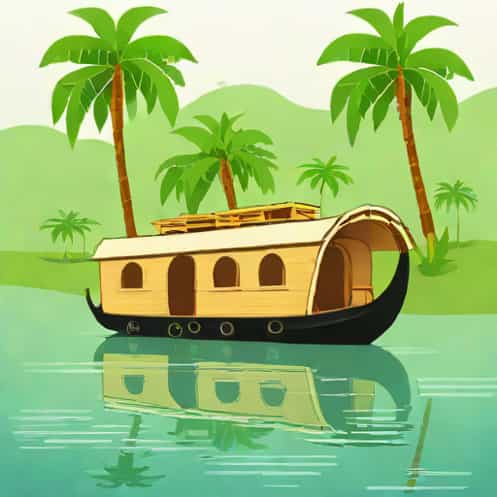
Houseboats are among the most distinctive travel experiences in India, offering visitors a chance to live on water while being surrounded by nature and local culture. Two of the most famous houseboat destinations are Kerala and Kashmir. Although both regions are known for their scenic waterways and floating homes, the houseboats of Kerala and Kashmir are very different in design, purpose, environment, and cultural influence. Understanding how they differ helps travelers appreciate the unique identity of each place rather than seeing them as similar attractions.
Geographical Setting and Natural Environment
The most obvious difference between the houseboats of Kerala and Kashmir lies in their geographical setting. Kerala houseboats operate mainly in the backwaters of Alappuzha, Kumarakom, and Kollam. These backwaters consist of calm canals, lagoons, rivers, and lakes lined with coconut trees, paddy fields, and small villages. The climate is tropical, warm, and humid for most of the year.
In contrast, Kashmir houseboats are primarily found on Dal Lake and Nigeen Lake in Srinagar. These lakes are surrounded by mountains, gardens, and snow-capped peaks. The climate is much cooler, with cold winters and pleasant summers. Seasonal changes are dramatic in Kashmir, influencing how houseboats are used and experienced.
Historical Background of Houseboats
The origins of houseboats in Kerala and Kashmir are quite different. In Kerala, houseboats evolved from traditional cargo boats known as kettuvallams. These boats were originally used to transport rice, spices, and other goods through the backwaters. Over time, they were converted into floating homes for tourism while retaining their traditional structure.
Kashmir houseboats have a colonial history. During British rule, foreigners were not allowed to own land in the region. As a result, British officials and travelers began living on houseboats as an alternative. These boats later became a symbol of Kashmiri hospitality and luxury.
Design and Construction
Kerala houseboats are built using natural and eco-friendly materials. Wood, bamboo, coir ropes, and palm leaves are commonly used. The boats are crafted without nails, following traditional boat-building techniques passed down through generations. Their design is long and curved, resembling a floating cottage that blends into the natural surroundings.
Kashmir houseboats, on the other hand, resemble floating mansions. They are usually made of cedar or walnut wood and are heavily decorated with intricate wood carvings. The structure is more rectangular, with separate rooms arranged like a hotel. The focus is on elegance and craftsmanship rather than traditional boat form.
Interior Style and Decoration
The interior of a Kerala houseboat is simple yet comfortable. It often reflects local aesthetics, with wooden furniture, open spaces, and large windows to enjoy the view. The emphasis is on relaxation and closeness to nature.
Kashmir houseboats are richly decorated with carpets, curtains, chandeliers, and carved wooden panels. The interiors reflect Kashmiri art and craftsmanship, creating a royal and vintage atmosphere that feels more like a heritage hotel.
Mobility and Function
One major difference between the houseboats of Kerala and Kashmir is their mobility. Kerala houseboats are designed to move slowly through the backwaters. They follow fixed routes and offer guests a journey through villages, farms, and waterways. Movement is an essential part of the experience.
Kashmir houseboats are usually stationary. They are anchored at specific points on the lake and do not travel. Guests enjoy the changing views from their windows rather than moving through the water. Transportation is provided by small boats called shikaras.
Purpose and Tourist Experience
The experience on a Kerala houseboat focuses on calm travel and immersion in rural life. Guests observe fishermen at work, children playing near the banks, and farmers tending their fields. The journey itself is the highlight.
In Kashmir, the houseboat experience is more about comfort, romance, and scenic beauty. Guests relax while enjoying views of the mountains, gardens, and reflections on the lake. Shikara rides, sunrise views, and local markets floating on water are key attractions.
Food and Culinary Experience
Food is an important part of both experiences, but the styles differ greatly. Kerala houseboats typically serve traditional Kerala cuisine prepared fresh on board. Meals include rice, fish curry, vegetables, coconut-based dishes, and local spices. The food reflects the coastal and agricultural culture of the region.
Kashmir houseboats serve traditional Kashmiri cuisine, often including dishes such as rice, lamb preparations, and aromatic spices. The flavors are richer and influenced by Central Asian and Mughal culinary traditions. Meals are usually served in a formal dining setting.
Cultural Influence and Lifestyle
Kerala houseboats reflect the everyday life of the backwater communities. The crew often consists of local people who share stories, customs, and insights into village life. The experience feels informal and closely connected to local culture.
Kashmir houseboats reflect aristocratic and historical influences. Many houseboats have names and histories that date back decades. Hospitality is formal and refined, with an emphasis on tradition and elegance.
Seasonal Differences
Kerala houseboats operate throughout the year, although the monsoon season brings heavy rains. The tropical climate ensures that waterways remain active even during off-peak seasons.
Kashmir houseboats are highly seasonal. During winter, lakes may partially freeze, and tourism slows down significantly. Summer is the peak season when the weather is pleasant and the surroundings are lush and green.
Environmental Considerations
Kerala houseboats have increasingly adopted eco-friendly practices, including solar power, waste management systems, and improved engines to reduce pollution. Sustainability has become an important focus due to the fragile ecosystem of the backwaters.
In Kashmir, environmental concerns center around lake conservation. Pollution and overcrowding have affected water quality, leading to stricter regulations on houseboat maintenance and waste disposal.
Key Differences at a Glance
- Kerala houseboats are mobile, while Kashmir houseboats are stationary
- Kerala has a tropical backwater environment; Kashmir has a cool mountain lake setting
- Kerala houseboats evolved from cargo boats; Kashmir houseboats have colonial origins
- Kerala interiors are simple and natural; Kashmir interiors are ornate and luxurious
Which Experience Is Right for You?
Choosing between Kerala and Kashmir houseboats depends on what kind of experience a traveler is seeking. Those who enjoy slow journeys, rural landscapes, and tropical scenery may prefer Kerala. Those who value heritage, luxury, and dramatic mountain views may find Kashmir more appealing.
Both offer unforgettable experiences, but in very different ways. Understanding how the houseboats of Kerala and Kashmir differ allows travelers to make informed choices and appreciate the diversity of India’s cultural and natural heritage.
The houseboats of Kerala and Kashmir may share a common name, but they represent two distinct worlds. From geography and history to design and daily experience, each reflects the character of its region. Kerala houseboats emphasize movement, simplicity, and connection with village life, while Kashmir houseboats focus on elegance, history, and scenic beauty.
By recognizing these differences, travelers can better appreciate how culture, environment, and history shape even similar forms of living. Both Kerala and Kashmir houseboats offer unique perspectives on life on water, making them equally special in their own ways.