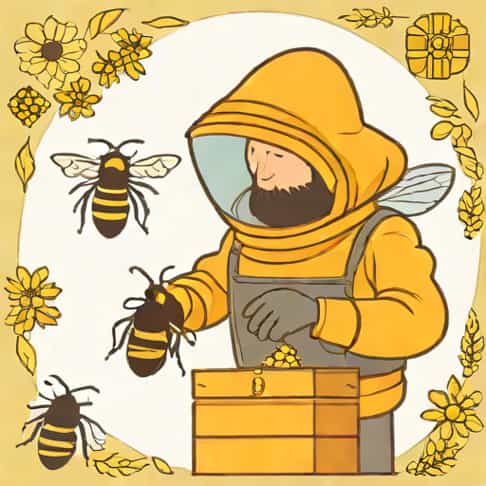
Many people wonder how beekeepers can work so closely with thousands of buzzing bees without getting stung all the time. Watching someone calmly open a hive, lift frames full of honey, and inspect swarms without panic can seem almost magical. The reality is that beekeepers use a mix of knowledge, technique, proper equipment, and an understanding of bee behavior to greatly reduce the chances of being stung. While no beekeeper is completely sting-free forever, they learn how to keep bees calm, how to move correctly, and how to create a safe environment for both themselves and the colony.
Understanding Bee Behavior
The first key to avoiding stings is understanding how honeybees behave. Bees are not naturally aggressive; they sting only to defend their hive or when they feel threatened. Beekeepers study the natural instincts of bees so they can approach the colony in a way that feels safe to the insects. Knowing why bees sting gives beekeepers the advantage of preventing triggers before they occur.
Why Bees Become Defensive
Bees react quickly to changes in their surroundings. Loud vibrations, sudden movements, and strong scents can make a hive feel threatened. When one bee stings, it releases pheromones that signal danger to the rest of the colony. This chain reaction can escalate quickly if the situation is not handled calmly. By recognizing these warning signs, beekeepers can slow down or step back before stressing the hive.
- Sudden motion near the hive
- Heavy or unusual smells such as perfume or sweat
- Loud noises or vibrations
- Cool or stormy weather that makes bees irritable
The Importance of Protective Gear
One of the most visible ways beekeepers avoid stings is by wearing specialized protective clothing. The classic white suit is more than a costume; it forms a physical barrier that makes stinging difficult. Light-colored clothing is used because bees associate dark colors with predators like bears or skunks. A well-designed bee suit allows airflow while covering vulnerable areas like the wrists, ankles, and neck.
How Bee Suits Reduce Stings
Bee suits are made from thick fabric that prevents a bee’s stinger from reaching the skin. Most suits include elastic cuffs, gloves, and a veil to protect the face. The veil is crucial because bees become more defensive when they sense breath or carbon dioxide. By covering the face and leaving space between the mesh and the skin, beekeepers protect sensitive areas without limiting visibility.
- Veils keep bees away from the face and eyes
- Gloves protect hands during hive inspections
- Thick fabric reduces sting penetration
- Elastic seals prevent bees from crawling inside the suit
The Role of the Smoker
Another essential tool for avoiding stings is the smoker. A beekeeper’s smoker releases cool, gentle smoke that interrupts the bees’ alarm signals. When bees smell smoke, they instinctively begin preparing to leave the hive by consuming honey. This behavior keeps them occupied and less likely to sting. The smoke also masks the pheromones released by guard bees, preventing the colony from entering defensive mode.
Using the Smoker Safely
Beekeepers apply smoke carefully and sparingly. Too much smoke stresses the bees, while too little may not be effective. The goal is to calm the colony, not overwhelm it. A few soft puffs at the entrance and inside the lid is often enough to make the bees docile during inspection.
Calm Movement and Gentle Handling
One of the most important skills in beekeeping is learning to move slowly and gently. Quick or jerky motions can trigger defensive behavior. Experienced beekeepers handle hive frames with steady hands, avoiding sudden changes in speed or direction. They know that bees prefer predictability and respond positively when they are not startled.
Maintaining a Relaxed Presence
Beekeepers also work on staying calm themselves. Bees can sense tension through movement and breath. A relaxed beekeeper who breathes gently and moves with confidence is far less likely to provoke bees. This calm energy helps maintain a peaceful environment around the hive.
Choosing the Right Time to Open a Hive
Timing plays a major role in how bees behave. Beekeepers avoid cloudy, windy, or rainy weather because bees become more defensive when they cannot forage. The best time to check a hive is on a warm, sunny day when most bees are out collecting nectar. Fewer bees in the hive means fewer potential stings.
Seasonal Behavior Patterns
Bees also behave differently depending on the season. During nectar flow, they are busy and content. During late fall or early spring, when food is scarce, they may become more protective of their stored honey. Understanding these seasonal moods helps beekeepers schedule their work safely and effectively.
Keeping the Hive Healthy and Comfortable
A stressed hive is more likely to sting. Issues such as pests, overcrowding, or a sick queen can make bees defensive. Successful beekeepers focus on maintaining a stable environment inside the hive. Proper ventilation, enough space for honey storage, and regular health checks reduce tension among the bees.
The Queen’s Influence on Behavior
The queen bee plays a major role in the temperament of the colony. A healthy, strong queen produces steady pheromones that keep the colony organized. If the queen is failing or missing, bees may become agitated and unpredictable. Replacing a weak queen with a healthy one can dramatically improve colony behavior.
Experience and Intuition
Perhaps the most underrated reason beekeepers avoid stings is experience. Over time, they develop intuition-an almost instinctive understanding of how to behave around bees. They learn when to pause, when to adjust their approach, and when to close the hive and return another day. This skill cannot be rushed; it grows through patient observation and respect for the colony.
Reading the Hive’s Mood
Experienced beekeepers can tell within seconds whether the bees are calm, stressed, or irritated. They listen for changes in buzzing, watch the movement of guard bees, and notice subtle signals that beginners might miss. This ability to read the hive allows them to intervene gently and avoid unnecessary conflict.
Why Beekeepers Still Get Stung Sometimes
No beekeeper, no matter how skilled, is completely immune to stings. Bees are living creatures with instincts that can’t always be predicted. However, by combining protective gear, knowledge of bee behavior, careful timing, and calm handling, beekeepers minimize risks and build a respectful relationship with the hive.
Understanding how beekeepers avoid stings not only highlights the importance of safety but also shows how fascinating honeybee behavior can be. With the right methods, patience, and awareness, humans and bees can work together in harmony, allowing beekeepers to collect honey, support pollination, and maintain thriving colonies with confidence.