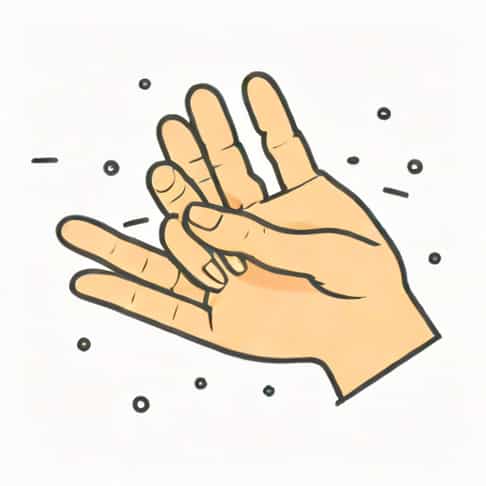
Clubbed fingers, also known as digital clubbing, is a condition where the tips of the fingers or toes become enlarged and the nails curve around the fingertips. This condition often develops slowly over time and can be a sign of underlying health issues. Many people notice changes in the shape of their fingers, nail beds, or the angle at which the nails grow. Understanding how you get clubbed fingers involves learning about the causes, medical conditions linked to the symptom, and lifestyle factors that can contribute to its development. Recognizing the early signs is important for timely diagnosis and treatment of the conditions that may lead to clubbing.
What Are Clubbed Fingers?
Clubbed fingers are characterized by thickening of the tissue at the ends of the fingers and toes, resulting in a bulbous or rounded appearance. The nails may appear shiny, soft, or more curved than usual, often creating a downward slope. This change is usually painless, but it is visually noticeable and can indicate serious medical problems. Clubbing can affect one finger or toe, several, or all digits symmetrically.
Signs and Symptoms
- Enlarged, rounded fingertips
- Nails that curve downward more than normal
- Softening of the nail beds
- Shiny appearance of nails and skin around fingertips
- Thickening of the tissue under the nails
Causes of Clubbed Fingers
Clubbing of the fingers is not a disease itself but a symptom of an underlying condition. It occurs when the tissues at the fingertips receive extra blood flow, often due to low oxygen levels in the blood. The enlargement results from changes in the soft tissue under the nails and around the fingertips. Several medical conditions and lifestyle factors can cause or contribute to clubbed fingers.
Respiratory Causes
Lung-related diseases are among the most common causes of clubbed fingers. Chronic low oxygen levels can stimulate changes in blood vessels and tissues in the fingers. Common respiratory conditions include
- Chronic obstructive pulmonary disease (COPD)
- Lung cancer
- Cystic fibrosis
- Interstitial lung disease or pulmonary fibrosis
- Bronchiectasis or chronic infections of the lungs
Cardiovascular Causes
Heart conditions that reduce the oxygen supply to the body can also lead to clubbing. These include
- Congenital heart defects present at birth
- Endocarditis or inflammation of the heart lining
- Other chronic heart diseases that impair circulation
Gastrointestinal and Liver-Related Causes
Certain gastrointestinal disorders and liver diseases can contribute to finger clubbing. These conditions may interfere with nutrient absorption or oxygenation of tissues
- Crohn’s disease or ulcerative colitis
- Cirrhosis of the liver
- Celiac disease in severe cases
Other Causes
There are less common causes of clubbed fingers as well, including certain infections and genetic disorders. Some rare conditions may cause clubbing from childhood or adolescence
- Hyperthyroidism, especially Graves’ disease
- Familial or hereditary clubbing, which runs in families without underlying disease
- Chronic infections such as tuberculosis
How Clubbed Fingers Develop
The development of clubbed fingers occurs gradually over time. The key factor is prolonged low oxygen levels or changes in blood circulation that trigger the body to form new blood vessels and tissue under the nails. This process, called hypertrophic osteoarthropathy, results in the thickening and rounding of the fingertips. Typically, it takes months or even years for noticeable clubbing to occur, which is why early detection of underlying conditions is crucial.
Stages of Clubbing
- Early stage softening of the nail beds and minor rounding of the fingertips
- Intermediate stage increased curvature of the nails and more prominent bulbous fingertips
- Advanced stage visible thickening of the tissue under the nails and pronounced downward nail curvature
Diagnosis of Clubbed Fingers
If you notice changes in your fingers or nails that suggest clubbing, it is important to seek medical evaluation. Diagnosis typically involves a physical examination, medical history review, and tests to determine underlying causes. Doctors may check oxygen levels, perform imaging tests such as X-rays or CT scans, and evaluate the lungs, heart, and liver for disease. Identifying the root cause is essential for treatment, as clubbing itself is a symptom rather than a standalone condition.
Tests and Examinations
- Pulse oximetry to measure oxygen levels
- Chest X-ray or CT scan for lung evaluation
- Heart examinations including echocardiogram
- Blood tests for liver and thyroid function
- Genetic testing if hereditary clubbing is suspected
Treatment of Clubbed Fingers
There is no direct treatment for clubbed fingers because the condition is a symptom rather than a disease. The most effective approach is to treat the underlying cause. For example, managing lung disease, correcting heart defects, or treating liver disorders can slow or sometimes reverse the progression of clubbing. In some cases, improvement in oxygen levels or effective treatment of chronic conditions can lead to partial reduction of fingertip changes.
Managing Underlying Conditions
Treatment will depend on the specific cause
- Lung disease medications, oxygen therapy, or surgery depending on severity
- Heart conditions surgery or medical management for congenital defects or infections
- Liver or gastrointestinal disease dietary management, medications, or surgery
- Infections appropriate antibiotics or antiviral treatments
Prevention and Monitoring
While hereditary factors cannot be prevented, lifestyle choices and early detection of diseases can reduce the risk of developing clubbed fingers. Regular check-ups, avoiding smoking, managing chronic conditions, and maintaining overall health can help prevent the progression of clubbing. Monitoring for early signs, such as nail changes or fingertip swelling, allows prompt medical intervention.
Tips for Monitoring
- Observe nail shape and curvature regularly
- Check for swelling or changes in fingertip size
- Seek medical advice if changes appear suddenly or progress quickly
- Track symptoms of underlying conditions such as breathing difficulty, fatigue, or digestive issues
Clubbed fingers are a noticeable symptom that often indicates underlying health problems related to the lungs, heart, liver, or other systems. Understanding how you get clubbed fingers involves recognizing the connection between chronic low oxygen levels, changes in blood flow, and tissue growth under the nails. While the condition itself is not dangerous, it serves as an important warning sign that should not be ignored. Early diagnosis and treatment of the underlying cause can help manage the progression of clubbing and improve overall health. By monitoring finger changes and maintaining regular medical care, individuals can address potential health issues before they lead to more serious complications.