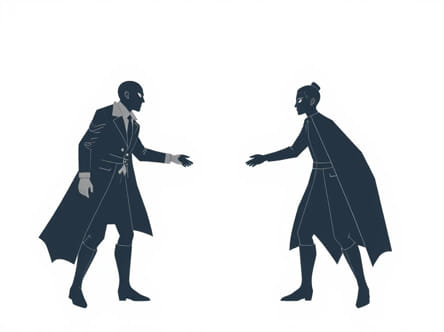
In storytelling, confrontation scenes often serve as critical turning points that propel the plot forward and deepen character development. Whether in novels, plays, or films, confrontations bring tension, conflict, and revelation, helping to resolve or escalate underlying issues. Understanding how a specific confrontation advances the plot requires examining the dynamics between characters, the stakes involved, and the consequences that follow. This topic explores the role of confrontations in narrative structure and how they function to move stories toward their climax and resolution.
The Nature of Confrontation in Narrative
A confrontation typically involves two or more characters facing off over conflicting goals, values, or secrets. It creates dramatic tension by challenging the protagonist and often exposes hidden motivations or truths. This tension is essential in maintaining the audience’s interest and pushing the story in new directions.
Types of Confrontation
- Physical confrontationsBattles, fights, or struggles that alter the power dynamics.
- Verbal confrontationsArguments, accusations, or revelations that affect relationships.
- Internal confrontationsMoments when a character wrestles with their own fears or doubts.
How Confrontation Advances the Plot
Confrontations serve as catalysts that spark significant change in the storyline. They can clarify the central conflict, force characters to make crucial decisions, and reveal pivotal information that reshapes the narrative landscape. By intensifying stakes, confrontations compel characters toward actions that drive the story’s momentum.
Clarifying the Central Conflict
Through confrontation, the story’s main conflict becomes more explicit. For example, when a protagonist confronts an antagonist, the underlying struggle between good and evil or competing desires comes into sharper focus. This clarity guides the audience’s understanding and emotional investment.
Character Development and Motivation
Confrontations often expose a character’s true nature, strengths, and weaknesses. They force individuals to react under pressure, which can reveal hidden motivations or moral dilemmas. These revelations deepen the character arcs and influence subsequent plot developments.
Forcing Crucial Decisions
During confrontations, characters face choices with significant consequences. These decisions can pivot the story toward resolution or further complication. The outcomes of confrontations often set the stage for the climax by determining alliances, betrayals, or reconciliations.
Examples of Confrontation Advancing the Plot
In many classic and contemporary stories, confrontation scenes mark turning points that shape the narrative trajectory. Consider these examples
Verbal Showdown Revealing a Secret
- In a family drama, a confrontation might reveal a long-hidden betrayal that changes relationships.
- This revelation can lead to estrangement or reconciliation, shifting the plot significantly.
Physical Conflict Leading to Escalation
- In action stories, a fight scene often results in injury, capture, or escape that changes characters’ plans.
- The confrontation escalates the stakes and urgency, pushing the plot toward its climax.
Internal Confrontation Triggering Transformation
- A protagonist’s inner struggle can culminate in a moment of self-realization or resolve.
- This internal shift often propels the character to take decisive action, advancing the plot forward.
The Role of Confrontation in Building Suspense and Engagement
Confrontations create suspense by introducing uncertainty and potential danger. The audience becomes eager to see how the conflict resolves and what impact it will have on the story world. This engagement is crucial for maintaining interest and emotional connection throughout the narrative.
Suspense Through Conflict
- Unpredictable confrontations keep readers or viewers guessing about outcomes.
- The resolution of confrontation often leads to catharsis or new complications, sustaining momentum.
Keywords Related to Plot Advancement and Confrontation
- How confrontation advances plot
- Role of conflict in storytelling
- Plot development through confrontation
- Character growth in confrontations
- Narrative tension and conflict
- Turning points in stories
- Confrontation examples in literature
Confrontations are essential narrative devices that advance the plot by heightening conflict, revealing character depth, and forcing critical decisions. They serve as turning points that clarify the story’s central issues and propel characters toward resolution or further turmoil. By understanding the role of confrontation, readers and writers alike can appreciate the mechanics of storytelling that create compelling and dynamic narratives.