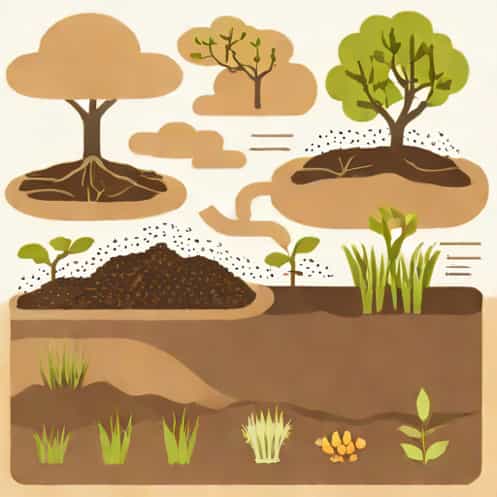
Healthy soil is the foundation of successful agriculture and natural ecosystems. Every plant depends on soil nutrients to grow, produce food, and complete its life cycle. Over time, however, soil can lose these nutrients due to continuous cropping, erosion, leaching, and other environmental factors. This raises an important question how is replenishment of nutrients done in soil? Understanding this process helps farmers, gardeners, and land managers maintain soil fertility and ensure long-term productivity.
The Importance of Soil Nutrients
Soil nutrients are essential elements that plants absorb to support growth and development. These nutrients are divided into macronutrients, such as nitrogen, phosphorus, and potassium, and micronutrients, including iron, zinc, and copper. Without an adequate supply of these elements, plants become weak, yields decrease, and soil health declines.
Nutrient depletion happens naturally when plants take up minerals from the soil. Harvesting crops removes these nutrients from the field, making replenishment necessary if the land is to remain productive.
Natural Nutrient Cycling in Soil
One of the main ways nutrient replenishment occurs is through natural nutrient cycling. In natural ecosystems, nutrients move continuously between soil, plants, animals, and microorganisms.
When plants shed leaves or die, their remains decompose and return nutrients to the soil. Soil organisms such as bacteria, fungi, and earthworms play a key role in breaking down organic matter and releasing nutrients in forms plants can absorb.
Role of Decomposition
Decomposition is a slow but vital process. Microorganisms convert complex organic materials into simpler compounds, releasing nitrogen, phosphorus, and other nutrients back into the soil. This natural recycling helps maintain soil fertility without external inputs.
Use of Organic Matter
Adding organic matter is one of the most effective answers to how is replenishment of nutrients done in soil. Organic matter improves soil structure, increases water retention, and provides a steady supply of nutrients.
Common Sources of Organic Matter
- Compost made from plant and kitchen waste
- Animal manure
- Crop residues such as straw and leaves
- Green manure crops
As organic matter breaks down, it releases nutrients slowly, reducing the risk of nutrient loss and improving long-term soil health.
Role of Fertilizers in Nutrient Replenishment
Fertilizers are widely used to replenish soil nutrients, especially in modern agriculture. They provide specific nutrients in controlled amounts to support plant growth.
Organic vs Inorganic Fertilizers
Organic fertilizers, such as compost and manure, come from natural sources and release nutrients gradually. Inorganic fertilizers are manufactured and supply nutrients in concentrated, readily available forms.
Both types play a role in nutrient replenishment. Inorganic fertilizers offer quick results, while organic fertilizers improve soil quality over time.
Nitrogen Fixation and Soil Fertility
Nitrogen is one of the most important nutrients for plants, yet it is often limited in soil. One natural way nitrogen is replenished is through nitrogen fixation.
Certain plants, especially legumes like beans and peas, form partnerships with nitrogen-fixing bacteria. These bacteria convert nitrogen from the air into a form plants can use, enriching the soil naturally.
Benefits of Nitrogen-Fixing Crops
- Increase soil nitrogen levels
- Reduce dependence on chemical fertilizers
- Improve soil structure
After these crops are harvested or incorporated into the soil, the added nitrogen becomes available to future crops.
Crop Rotation as a Nutrient Management Strategy
Crop rotation is another important method of soil nutrient replenishment. Growing the same crop repeatedly can drain specific nutrients from the soil, leading to imbalance.
By rotating crops with different nutrient needs, farmers allow the soil to recover and maintain a more balanced nutrient profile. Including legumes in crop rotations is especially effective for restoring nitrogen.
Cover Crops and Soil Health
Cover crops are planted not for harvest, but to protect and improve the soil. They help prevent erosion, reduce nutrient loss, and add organic matter.
When cover crops are turned into the soil, they decompose and release nutrients, contributing to soil replenishment. This practice is widely used in sustainable and regenerative farming systems.
Soil Microorganisms and Nutrient Availability
Soil is alive with microorganisms that play a crucial role in nutrient cycling. Bacteria, fungi, and other microbes help convert nutrients into forms plants can absorb.
Mycorrhizal fungi, for example, form symbiotic relationships with plant roots, extending their reach and improving nutrient uptake, especially phosphorus.
Weathering of Parent Material
Another natural process involved in how replenishment of nutrients is done in soil is weathering. Rocks and minerals in the soil slowly break down due to physical and chemical processes.
This breakdown releases minerals such as calcium, potassium, and magnesium into the soil. Although weathering is a slow process, it provides a long-term source of nutrients.
Reducing Nutrient Loss
Replenishing nutrients is only effective if losses are minimized. Nutrients can be lost through erosion, leaching, and runoff, especially in poorly managed soils.
Practices such as mulching, maintaining ground cover, and improving soil structure help retain nutrients and reduce the need for frequent replenishment.
Sustainable Soil Management Practices
Sustainable soil management focuses on balancing nutrient inputs with crop needs while protecting the environment. This approach combines multiple methods of nutrient replenishment.
Key Sustainable Practices
- Using compost and organic amendments
- Applying fertilizers based on soil testing
- Practicing crop rotation and cover cropping
- Encouraging beneficial soil organisms
These practices help maintain soil fertility without causing long-term damage.
Importance of Soil Testing
Soil testing is an essential tool for understanding nutrient levels. It provides information about deficiencies, excesses, and soil pH, which affects nutrient availability.
By testing soil regularly, farmers and gardeners can apply the right nutrients at the right time, ensuring efficient replenishment and preventing waste.
Long-Term Benefits of Proper Nutrient Replenishment
When nutrients are replenished properly, soil becomes more productive, resilient, and sustainable. Healthy soil supports stronger plants, better yields, and improved resistance to pests and diseases.
Over time, good nutrient management also protects water quality and reduces environmental impacts, making it beneficial beyond the farm or garden.
So, how is replenishment of nutrients done in soil? The answer lies in a combination of natural processes and human practices. Decomposition, nitrogen fixation, weathering, and microbial activity work alongside composting, fertilization, crop rotation, and soil conservation.
By understanding and supporting these processes, we can maintain fertile soils that sustain agriculture and ecosystems for generations. Nutrient replenishment is not a single action, but an ongoing balance that keeps soil alive and productive.