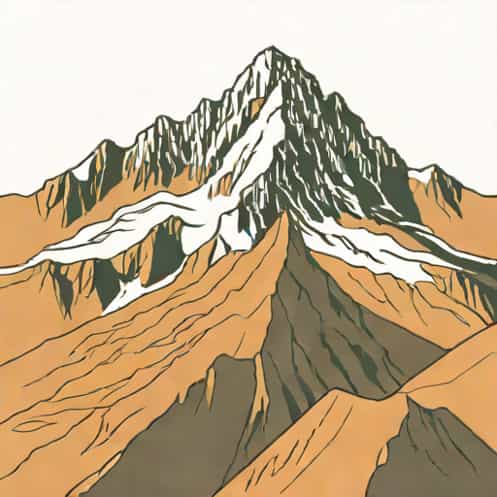
Climbing Aconcagua, the highest peak in South America at 6,961 meters (22,838 feet), is a challenging and rewarding adventure that attracts mountaineers from around the world. Many aspiring climbers often ask how long it takes to reach the summit, as timing is critical for proper acclimatization, safety, and overall success. The duration of the climb depends on several factors, including the chosen route, the climber’s physical fitness, acclimatization strategy, and weather conditions. Understanding these variables helps climbers plan effectively and maximize their chances of a successful ascent.
Understanding Aconcagua’s Terrain and Routes
Aconcagua offers multiple climbing routes, each with different levels of difficulty and required time. The two main routes are the Normal Route and the Polish Glacier Route. The Normal Route is considered the easiest and most popular path to the summit, while the Polish Glacier Route is more technical and demanding.
The Normal Route
The Normal Route is non-technical, meaning climbers do not need advanced mountaineering skills or equipment such as ropes and ice axes for most sections. However, the altitude presents significant challenges. The trek typically starts at the Horcones Valley base camp and progresses through several higher camps
- Plaza de Mulas Base CampLocated at 4,370 meters (14,340 feet), this is the main base camp where climbers spend several days acclimatizing and preparing for higher altitudes.
- Confluencia CampAt 3,400 meters (11,150 feet), this lower camp allows climbers to adjust to altitude gradually.
- Campo IndependenciaPositioned at 4,200 meters (13,780 feet), climbers often make a stop here before proceeding to higher camps.
The ascent from Plaza de Mulas to the summit usually involves stops at intermediate camps such as Nido de Cóndores (5,570 meters) and Camp Canada (5,050 meters). Each stop allows climbers to acclimate and reduces the risk of altitude sickness.
The Polish Glacier Route
The Polish Glacier Route is more challenging, featuring steeper slopes and sections of ice and snow that require technical climbing skills. Climbers attempting this route need proper equipment, including crampons and ice axes, and should be experienced in high-altitude mountaineering. The route generally takes slightly longer due to the technical challenges and careful navigation required.
Average Duration of the Climb
The total duration of an Aconcagua climb varies, but most guided expeditions recommend spending approximately 18 to 22 days from the trailhead to the summit and back. This timeframe allows sufficient days for acclimatization, rest, and flexibility in case of adverse weather conditions.
- AcclimatizationProper acclimatization is critical for preventing altitude sickness. Climbers typically spend several days ascending gradually, moving between camps, and sometimes practicing climb high, sleep low techniques.
- Summit PushThe summit day often begins very early, sometimes around midnight, to maximize daylight and favorable weather conditions. The climb to the summit can take 8 to 12 hours, depending on the route and individual pace.
- DescentReturning to base camp generally takes one to two days, as descending at high altitudes requires caution and energy management.
Factors Affecting Climbing Duration
Several factors influence how long it takes to climb Aconcagua
Physical Fitness and Experience
Climbers in excellent physical condition may ascend slightly faster and handle the high-altitude challenges better. Previous experience with high-altitude trekking or mountaineering can also shorten the adjustment period, though acclimatization should never be rushed.
Weather Conditions
Weather on Aconcagua is highly unpredictable, with strong winds, sudden storms, and extreme cold at higher altitudes. Climbers may need to wait for favorable weather windows, which can add days to the overall duration. Flexibility in the itinerary is essential to account for weather delays.
Route Selection
The Normal Route is faster than the Polish Glacier Route, as it requires less technical climbing. However, even on the easier route, climbers should take at least two weeks to safely reach the summit due to altitude and acclimatization needs.
Tips for Planning Your Climb
- Acclimatization DaysAllocate multiple days at each camp for gradual altitude adjustment.
- Guided ExpeditionsJoining a guided expedition can provide support, local knowledge, and safety measures, which can influence the pace and overall duration.
- Physical TrainingEngage in cardiovascular, strength, and endurance training months before the climb to improve stamina and performance at high altitudes.
- FlexibilityAllow for extra days in the schedule for weather delays and unexpected issues.
- Nutrition and HydrationProper nutrition and hydration support energy levels and help prevent altitude-related illnesses.
Climbing Aconcagua is a formidable yet achievable goal for experienced and well-prepared adventurers. The total duration depends on the chosen route, physical fitness, acclimatization strategy, and weather conditions. Most climbers take between 18 and 22 days to safely ascend and descend the mountain, allowing time for proper acclimatization and rest. By understanding the demands of the climb, preparing physically, and planning strategically, climbers can maximize their chances of summiting safely while fully experiencing the breathtaking landscapes of the Andes.
Whether taking the Normal Route or the Polish Glacier Route, patience and preparation are key. Climbers should respect the mountain’s challenges and allocate sufficient time for each stage of the ascent. With careful planning, the journey to the summit of Aconcagua becomes a rewarding adventure, offering not only the thrill of conquering South America’s highest peak but also the personal growth and satisfaction that come from overcoming extreme physical and mental challenges.