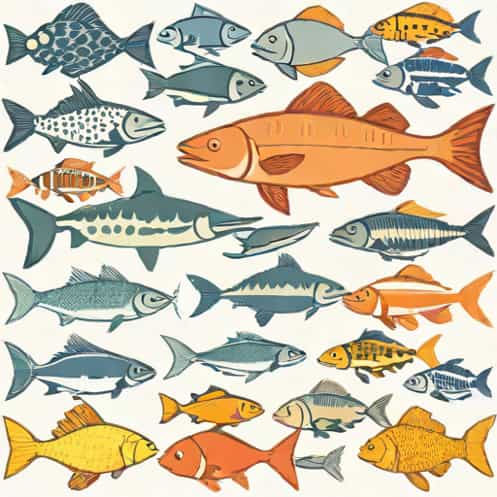
Cartilaginous fishes, known scientifically as Chondrichthyes, represent a fascinating and diverse group of aquatic animals that have existed for hundreds of millions of years. Unlike bony fishes, their skeletons are made of cartilage rather than bone, which provides flexibility and lightness for efficient movement in water. These fishes include sharks, rays, skates, and chimaeras, each adapted to different habitats and ecological roles. Understanding how many species of cartilaginous fish exist provides insight into marine biodiversity, evolutionary history, and conservation priorities. Scientists continue to study these species to explore their diversity, distribution, and ecological significance.
Overview of Cartilaginous Fishes
Cartilaginous fishes are an ancient lineage that dates back to over 400 million years, predating many modern fish groups. They occupy a wide range of marine environments, from shallow coastal areas to the deep sea. Their cartilaginous skeletons, paired with specialized sensory systems like the lateral line and ampullae of Lorenzini, allow them to detect movements and electric fields in water, making them effective predators and efficient navigators. They are divided into two major subclasses Elasmobranchii, which includes sharks, rays, and skates, and Holocephali, which includes chimaeras.
Major Characteristics of Cartilaginous Fishes
- Skeletons made of cartilage, reducing weight and increasing flexibility.
- Placoid scales, also called dermal denticles, which provide hydrodynamic advantages.
- Respiration through gill slits, often without a protective operculum.
- Internal fertilization, with diverse reproductive strategies including oviparity, ovoviviparity, and viviparity.
- Advanced sensory systems, such as electroreception, to detect prey and navigate complex environments.
Estimated Number of Species
Determining how many species of cartilaginous fish exist is a complex task, as new species are regularly discovered, and taxonomic revisions occur as scientists gain better understanding. Current estimates suggest that there are over 1,200 recognized species of cartilaginous fishes worldwide. This includes more than 500 species of sharks, approximately 600 species of rays and skates, and around 50 species of chimaeras. These numbers are continually refined as marine biologists conduct surveys and genetic studies to identify cryptic species that may have been previously overlooked.
Sharks
Sharks are perhaps the most well-known group of cartilaginous fishes. They are apex predators in many marine ecosystems, playing a crucial role in maintaining ecological balance. Among the estimated 500+ species, there is tremendous diversity in size, shape, and feeding behavior. For example, whale sharks are filter feeders and can reach lengths of over 12 meters, while smaller species like the dwarf lanternshark are only about 20 centimeters long. Sharks inhabit almost every ocean, from tropical coral reefs to deep-sea trenches, demonstrating their adaptability.
Rays and Skates
Rays and skates are flattened cartilaginous fishes that often dwell near the seafloor. They are estimated to include around 600 species, showing incredible diversity in form and function. Some, like manta rays, are large and filter-feeding, whereas others, like electric rays, possess specialized adaptations to stun prey. Skates typically have thorn-like structures on their backs for protection, while rays often have whip-like tails with venomous spines. Their widespread distribution from shallow coastal waters to deep ocean floors emphasizes their ecological versatility.
Chimaeras
Chimaeras, sometimes called ghost sharks, are less known but equally fascinating. They belong to the subclass Holocephali and include approximately 50 species. Chimaeras are deep-sea dwellers and are often characterized by elongated bodies, large heads, and specialized tooth plates for crushing hard-shelled prey. Their rarity and deep-water habitat make them less studied, but they contribute to the overall diversity of cartilaginous fishes and offer insight into ancient evolutionary lineages.
Factors Affecting Species Count
Several factors influence the number of recognized species of cartilaginous fishes. Taxonomic research, genetic studies, and exploration of under-sampled habitats can increase the species count. Conversely, some species may be synonymized or reclassified as research advances. Additionally, environmental changes, human activities, and climate change affect population sizes, distribution, and survival, indirectly influencing our understanding of species diversity.
Scientific Discovery and Taxonomy
Modern taxonomy combines morphological analysis with genetic sequencing to differentiate species. Many newly described species are small, deep-sea, or cryptic, highlighting the importance of continued exploration. Advances in DNA barcoding and molecular phylogenetics allow researchers to detect species that appear identical in morphology but are genetically distinct, refining estimates of cartilaginous fish diversity.
Conservation Implications
Understanding how many species of cartilaginous fish exist is not only an academic exercise but also crucial for conservation. Many species face threats from overfishing, bycatch, habitat degradation, and climate change. Sharks and rays, in particular, have slow growth rates and low reproductive output, making them vulnerable to population declines. Accurate species identification and knowledge of distribution patterns are essential for effective conservation strategies, including marine protected areas, sustainable fishing regulations, and international agreements like CITES.
Global Distribution of Cartilaginous Fishes
Cartilaginous fishes are found in all oceans of the world, from the Arctic to the Antarctic, and from shallow coastal waters to deep oceanic trenches. Sharks are more common in open waters and coral reefs, while rays and skates prefer coastal or benthic habitats. Chimaeras are generally found in deep-sea regions. This global distribution highlights their ecological significance and adaptive capabilities, contributing to the overall health of marine ecosystems by controlling prey populations and maintaining balance in food webs.
Ecological Roles
- Apex predators like large sharks regulate populations of fish and other marine organisms.
- Rays and skates influence benthic ecosystems by foraging on invertebrates and affecting sediment dynamics.
- Chimaeras contribute to deep-sea ecological balance, feeding on hard-shelled prey and small fish.
- The diversity of species ensures stability and resilience in marine ecosystems.
Cartilaginous fishes are a diverse and ancient group of vertebrates that have evolved unique adaptations to thrive in aquatic environments. Current scientific estimates indicate that there are over 1,200 species, including more than 500 species of sharks, around 600 species of rays and skates, and roughly 50 species of chimaeras. These species exhibit a wide range of morphologies, behaviors, and habitats, from shallow tropical reefs to the deep ocean. Understanding how many species of cartilaginous fish exist helps marine biologists study biodiversity, evolutionary history, and ecological roles. It also informs conservation efforts, as many of these species are vulnerable to human activities and environmental changes. Ongoing research, exploration, and genetic studies continue to refine our knowledge, revealing the remarkable diversity and resilience of cartilaginous fishes across the globe.