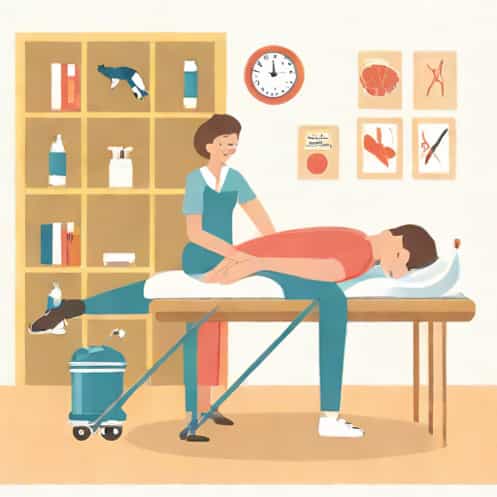
Becoming a physical therapist is a rewarding career choice that allows individuals to help patients recover from injuries, improve mobility, and manage pain. However, it requires a significant commitment to education and training. Aspiring physical therapists must complete multiple levels of schooling, including undergraduate studies, graduate programs, and clinical training. Understanding how much schooling is required can help students plan their educational path and prepare for the licensing process. This topic outlines the educational journey, typical duration of each stage, and the skills needed to become a successful physical therapist.
Undergraduate Education
The first step toward becoming a physical therapist is completing a bachelor’s degree, typically taking four years to finish. While there is no specific undergraduate major required, students often choose fields such as biology, kinesiology, exercise science, or health sciences. These programs provide a strong foundation in anatomy, physiology, chemistry, and biology, which are essential for advanced physical therapy studies.
Prerequisite Courses
Before applying to a Doctor of Physical Therapy (DPT) program, students must complete certain prerequisite courses. These usually include
- General biology with lab experience
- General chemistry and organic chemistry
- Physics with lab experience
- Anatomy and physiology
- Psychology or developmental psychology
- Statistics or research methods
These courses ensure that applicants have the academic background necessary for the rigorous curriculum in graduate school. Many students also participate in volunteer work or shadowing experiences in physical therapy clinics, which strengthen their applications and provide practical insights into the profession.
Graduate Education Doctor of Physical Therapy Program
After completing a bachelor’s degree, the next step is attending a Doctor of Physical Therapy (DPT) program. A DPT is required in most countries, including the United States, to practice as a licensed physical therapist. The DPT program typically takes three years of full-time study to complete, although some accelerated or part-time options may exist.
Curriculum in a DPT Program
DPT programs combine classroom instruction with hands-on clinical training. Students learn about
- Advanced anatomy and physiology
- Biomechanics and kinesiology
- Exercise physiology and therapeutic interventions
- Pathophysiology and medical conditions affecting mobility
- Clinical reasoning and evidence-based practice
- Ethics, professionalism, and patient communication
In addition to lectures and laboratory work, DPT students participate in supervised clinical rotations in hospitals, outpatient clinics, rehabilitation centers, and other healthcare settings. These rotations allow students to apply their knowledge, develop hands-on skills, and interact directly with patients under the supervision of licensed physical therapists.
Clinical Training Requirements
Clinical training is a critical component of the DPT program. Most programs require between 30 to 40 weeks of full-time clinical experience, spread across multiple healthcare settings. Students gain exposure to different patient populations, including orthopedic, neurological, pediatric, and geriatric patients. These experiences help students become confident and competent practitioners upon graduation.
Licensing and Exams
After completing a DPT program, graduates must obtain a license to practice as a physical therapist. Licensing requirements vary by country, but in the United States, candidates must pass the National Physical Therapy Exam (NPTE) administered by the Federation of State Boards of Physical Therapy. Additionally, applicants must meet state-specific requirements, which may include background checks and continuing education credits.
Additional Certifications
While not required for general practice, some physical therapists pursue board certification in specialty areas such as orthopedics, neurology, pediatrics, sports physical therapy, or geriatrics. Obtaining these certifications often requires additional training, experience, and examination, which can enhance career opportunities and earning potential.
Timeline and Total Schooling
The total educational path to become a physical therapist typically takes around seven years after high school
- Four years of undergraduate education for a bachelor’s degree
- Three years in a Doctor of Physical Therapy program
Some students may take longer if they pursue dual degrees, complete research projects, or take time off for personal or professional reasons. Additionally, physical therapists may continue their education throughout their careers by attending workshops, conferences, and continuing education courses to maintain licensure and stay updated with advancements in the field.
Alternative Paths and Accelerated Programs
Some universities offer accelerated DPT programs that combine undergraduate and graduate coursework, allowing students to complete their education in six to six and a half years. These programs are rigorous and often require students to maintain high academic performance and complete coursework continuously without breaks. While they shorten the timeline, the intensity of study can be challenging, and students must carefully consider their readiness for such programs.
Skills and Competencies Needed
Along with formal education, becoming a physical therapist requires a combination of technical skills and interpersonal abilities. Physical therapists must be able to assess and treat patients with a variety of conditions, develop personalized rehabilitation plans, and communicate effectively with patients, families, and other healthcare professionals. Key skills include
- Critical thinking and problem-solving
- Strong knowledge of anatomy and physiology
- Manual therapy techniques and exercise prescription
- Empathy, patience, and active listening
- Time management and organizational skills
- Adaptability and willingness to continue learning
Becoming a physical therapist requires a substantial commitment to education and training, typically around seven years of post-secondary schooling, including a bachelor’s degree and a Doctor of Physical Therapy program. In addition to classroom learning, students gain hands-on experience through clinical rotations and must pass licensing exams to practice professionally. The career also demands continuous learning and development of both technical and interpersonal skills to effectively help patients improve mobility and quality of life. Understanding the educational requirements helps prospective physical therapists plan their academic path, prepare for clinical practice, and succeed in this rewarding healthcare profession.
Ultimately, while the path to becoming a physical therapist is long and challenging, it is highly rewarding for those passionate about helping others recover, maintain health, and live more active lives. By completing the necessary schooling, gaining clinical experience, and obtaining licensure, aspiring physical therapists can enter a career that combines science, compassion, and patient care in meaningful ways.