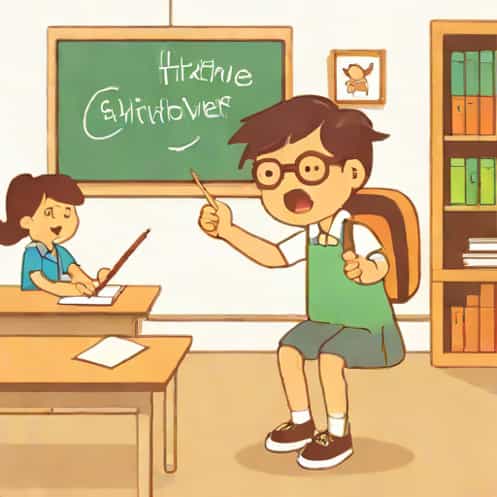
Handling a hyperactive child in the classroom can be a challenging experience for teachers, as it requires balancing the needs of the energetic student with the overall learning environment of the class. Hyperactivity often manifests as excessive movement, impulsive behavior, difficulty focusing, and a tendency to interrupt lessons or activities. While these behaviors can be disruptive, understanding the root causes and implementing effective strategies can help manage the child’s energy positively. With patience, structured routines, and targeted interventions, teachers can create an inclusive classroom environment that supports both hyperactive children and their peers.
Understanding Hyperactivity in Children
Before addressing hyperactive behavior in the classroom, it is essential to understand what hyperactivity entails. Hyperactive children often struggle with self-regulation and attention, which can affect their ability to sit still, follow instructions, and engage in structured tasks. Hyperactivity may be a symptom of Attention-Deficit/Hyperactivity Disorder (ADHD), or it can simply be a result of high energy levels in a young child. Identifying the underlying cause helps teachers tailor their approach to managing these behaviors effectively.
Signs of a Hyperactive Child
- Constant movement, fidgeting, or inability to remain seated
- Impulsive actions, such as shouting out answers or interrupting others
- Difficulty focusing on tasks for extended periods
- Excessive talking or blurting out inappropriate comments
- Restlessness during lessons or group activities
Recognizing these signs early allows educators to implement supportive strategies before disruptive behavior escalates.
Step 1 Establish a Structured Classroom Environment
Hyperactive children thrive in environments that provide clear expectations and consistent routines. Teachers can create structure by
- Setting clear rules and explaining them in simple, concise language
- Using visual schedules to outline daily activities and transitions
- Providing predictable routines so students know what to expect
- Organizing the classroom layout to minimize distractions
A structured classroom helps hyperactive children understand boundaries and reduces impulsive behavior by giving them a sense of predictability.
Step 2 Implement Positive Reinforcement
Positive reinforcement is a powerful tool for encouraging desirable behavior. Teachers can use it effectively with hyperactive children by
- Praising specific behaviors, such as following instructions or completing tasks
- Using reward systems, like sticker charts or points, for positive actions
- Providing immediate feedback so the child understands which behaviors are acceptable
- Encouraging self-monitoring and reflection on behavior
Reinforcing good behavior helps hyperactive children develop self-regulation skills and reduces the frequency of disruptions.
Step 3 Incorporate Movement Breaks
Children with hyperactivity often need opportunities to release energy throughout the day. Incorporating movement breaks into the classroom routine can be beneficial. Strategies include
- Short physical activity sessions between lessons, such as stretching or jumping jacks
- Allowing students to stand or move quietly while working if needed
- Designating specific times for active tasks to help manage excess energy
These breaks not only help hyperactive children focus better during lessons but also improve overall classroom engagement and reduce disruptive behavior.
Step 4 Use Individualized Support Strategies
Some hyperactive children benefit from personalized approaches to learning. Teachers can implement individualized strategies by
- Providing seating arrangements that minimize distractions
- Breaking tasks into smaller, manageable steps
- Offering alternative methods for completing assignments, such as hands-on activities
- Collaborating with special education staff or school counselors for additional support
Individualized strategies ensure that hyperactive children can succeed academically without feeling frustrated or overwhelmed.
Step 5 Foster Social Skills and Peer Interaction
Hyperactive children sometimes struggle with social interactions due to impulsivity or difficulty reading social cues. Teachers can support social development by
- Modeling appropriate communication and turn-taking
- Encouraging cooperative group activities with structured roles
- Teaching conflict resolution and problem-solving skills
- Providing opportunities for positive peer recognition
Fostering social skills helps hyperactive children build relationships with classmates and reduces classroom disruptions related to social misunderstandings.
Step 6 Maintain Consistent Communication with Parents
Collaboration between teachers and parents is critical in managing hyperactivity. Maintaining open communication allows for consistent support at home and school. Strategies include
- Providing regular updates on behavior and progress
- Sharing strategies that work in the classroom for reinforcement at home
- Discussing concerns and seeking parental insights into the child’s behavior
- Developing consistent behavioral goals with input from both home and school
Consistency between home and classroom expectations significantly improves outcomes for hyperactive children.
Step 7 Seek Professional Guidance if Needed
If a hyperactive child’s behavior significantly disrupts learning despite structured interventions, professional guidance may be necessary. Teachers can
- Refer the child to a school psychologist or counselor for assessment
- Collaborate with medical professionals if ADHD or other conditions are suspected
- Develop an Individualized Education Plan (IEP) or 504 Plan to provide additional accommodations
- Utilize behavioral therapy techniques recommended by specialists
Professional guidance ensures that hyperactive children receive appropriate support tailored to their specific needs.
Tips for Teachers
- Stay patient and calm, as frustration can escalate disruptive behavior
- Focus on positive behavior rather than punishing negative actions
- Encourage self-regulation skills gradually through practice and reinforcement
- Adjust teaching methods to incorporate hands-on and interactive learning
- Monitor progress and adapt strategies as the child develops
Handling a hyperactive child in the classroom requires a combination of patience, structure, and targeted strategies. Understanding hyperactivity, establishing routines, implementing positive reinforcement, and incorporating movement breaks are essential components of effective classroom management. Individualized support, fostering social skills, consistent communication with parents, and seeking professional guidance when necessary further enhance a hyperactive child’s success. By applying these techniques, teachers can create an inclusive, productive, and supportive learning environment that accommodates hyperactive children while maintaining overall classroom harmony and engagement.