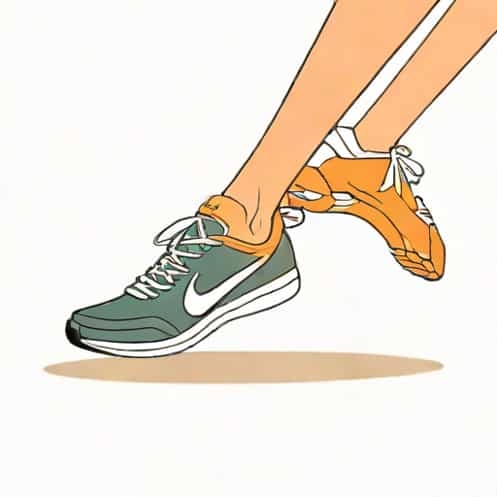
Learning how to run on your forefoot can feel a bit intimidating at first, especially if you have been a heel striker for most of your running life. However, many runners explore forefoot running because it can promote a lighter stride, improve efficiency, and potentially reduce certain types of impact-related discomfort. Shifting to this technique requires awareness, patience, and a clear understanding of how the body should move. By gradually adjusting your form, strengthening key muscles, and practicing good posture, you can develop a smooth and natural forefoot running style.
Understanding Forefoot Running
Forefoot running means landing on the ball of your foot rather than your heel. Instead of reaching forward and striking first with the back of the foot, your stride places the front portion down as the initial contact point. This approach encourages shorter steps, a quicker cadence, and a more upright posture. Learning how to run on your forefoot is not about forcing the foot to land unnaturally, but about developing a balanced, controlled motion that feels comfortable over time.
Why Some Runners Prefer Forefoot Running
Many runners switch to forefoot running for its potential biomechanical benefits. While not a universal solution, this technique can change how stress is distributed through the body. Instead of heavy impact on the heels, forefoot landing encourages more engagement from the calves and ankles, which act like springs to soften each step. It also promotes a naturally forward-leaning motion that feels efficient for some runners.
- Encourages a lighter, quicker stride
- Helps maintain forward momentum
- Engages stabilizing muscles in the lower leg
- May offer better control on varied terrain
Preparing Your Body for the Transition
Before focusing on how to run on your forefoot, it helps to prepare your muscles and joints for the new movement pattern. Shifting too quickly can lead to soreness or strain because forefoot running places more demand on the calves, Achilles tendon, and foot muscles. Taking the time to strengthen these areas reduces the risk of discomfort.
Strengthening Exercises
- Calf raisesLift your heels slowly to build strength and stability in the lower legs.
- Toe curlsUse your toes to grip a towel to improve foot muscle engagement.
- Balance workStanding on one foot builds ankle control and stability.
- Light hopping drillsGentle hops on the forefoot mimic the spring-like motion of running.
Consistency with these exercises helps prepare your body for the demands of a new running style. Strong, flexible muscles make the transition smoother and support better form.
How to Start Running on Your Forefoot
Learning how to run on your forefoot requires gradual adjustment. Suddenly switching your stride can feel awkward and may put stress on muscles that are not yet adapted. Instead, introduce the technique in small increments and build from there.
1. Focus on Posture First
Good forefoot running begins with proper alignment. Keep your torso upright, your shoulders relaxed, and your gaze forward. Avoid leaning backward or overstriding, which can work against the natural spring-like motion of the forefoot landing. A slight forward lean from the ankles not the hips helps create momentum without forcing your stride.
2. Shorten Your Stride
Forefoot running works best with short, quick steps. Long strides often lead to heel striking because the foot extends too far ahead of the body. Shorter steps place your feet under your center of gravity, making it easier for the ball of the foot to land first. Aim for smooth, quick contact rather than loud or heavy footfalls.
3. Increase Your Cadence
A higher cadence typically around 170 to 180 steps per minute naturally encourages forefoot landing. You don’t need to hit exact numbers, but focusing on quicker, lighter steps helps maintain rhythm and efficiency. Many runners find that thinking about soft steps helps their cadence improve without force.
4. Practice on Soft Surfaces
At the beginning, try practicing on grass or a track to reduce impact as you adjust. These surfaces provide natural cushioning and make it easier to focus on form. Once your body adapts, you can gradually transition to pavement or harder surfaces where your technique becomes more consistent.
5. Start With Short Distances
When exploring how to run on your forefoot, avoid covering long distances right away. Begin with a few minutes of forefoot running at the end of your usual run. Slowly increase the duration as your body becomes comfortable. Small steps help prevent overuse issues and give muscles time to strengthen.
What Proper Forefoot Landing Feels Like
Many runners wonder how forefoot landing should feel. Ideally, your foot should touch down lightly on the ball or front edge, followed by a gentle lowering of the heel. The heel does not stay lifted the entire time; instead, it briefly touches down to allow the calf and Achilles to absorb impact efficiently.
The motion should feel springy and natural. You should not feel like you are running on your toes, which can cause strain. Instead, think of controlled, soft landings where your foot acts like a flexible lever.
Common Mistakes to Avoid
While learning how to run on your forefoot, it’s easy to make a few mistakes. Keeping these in mind helps ensure a smooth and injury-free transition.
Landing Too Far Forward on the Toes
Running on the very tips of your toes puts too much pressure on the calves and can lead to fatigue quickly. The ball of the foot not the toes should make initial contact.
Skipping the Heel Drop
Some runners try to avoid letting the heel touch the ground, but allowing it to drop naturally helps distribute force and prevents excessive strain on the Achilles tendon.
Doing Too Much Too Soon
Rapid transition is one of the most common causes of discomfort when adopting a forefoot running style. Gradual progress prevents overuse injuries and promotes better form.
Improving Efficiency Over Time
Mastering how to run on your forefoot is a long-term process. As your muscles adapt, your stride becomes more fluid. Pay attention to your body’s signals and adjust your pace or distance when necessary. Over time, you will likely notice improvements in agility, smoothness, and overall running efficiency.
- Incorporate flexibility routines to reduce tightness in the calves.
- Alternate between your natural stride and forefoot practice during transitional weeks.
- Stay consistent with strength training.
- Monitor your running shoes for adequate support and cushioning.
Learning how to run on your forefoot takes patience, awareness, and steady practice. By developing strong muscles, maintaining good posture, and gradually adjusting your form, you can adopt a forefoot running style that feels natural and efficient. The key is listening to your body and allowing the transition to unfold over time. With consistent effort, forefoot running can become an effective and comfortable part of your running routine.