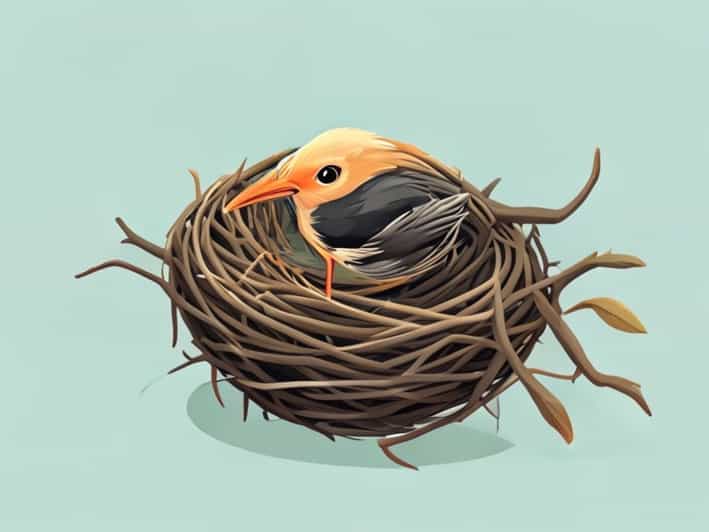
Finding a nestling, a young bird that has not yet developed the ability to fly, can be both exciting and concerning. Nestlings are extremely vulnerable and require specialized care to survive. Whether the nestling has fallen from its nest or has been abandoned, proper care is critical for its development. Taking care of a nestling involves providing the right environment, nutrition, and attention to ensure it grows healthy and strong. Understanding the specific needs of these young birds is essential to increase their chances of survival until they are ready to leave the nest.
Understanding Nestlings
A nestling is a young bird that is still dependent on parental care for feeding and protection. Unlike fledglings, which have developed feathers and are learning to fly, nestlings are usually featherless or have very soft down feathers. They cannot regulate their body temperature effectively and are completely reliant on adults for food and warmth. Recognizing the developmental stage of the bird helps determine the proper care it needs.
Signs That a Bird is a Nestling
- Little to no feather development or presence of soft down feathers.
- Eyes may be closed or only partially open.
- Dependence on warmth and frequent feeding.
- Inability to stand or hop normally.
Providing the Right Environment
Creating a safe and comfortable environment is the first step in caring for a nestling. Nestlings are highly susceptible to stress, temperature fluctuations, and injury. The proper environment helps mimic the conditions provided by parent birds and supports healthy growth.
Temperature and Housing
Maintaining the correct temperature is critical, as nestlings cannot regulate their body heat. Use a small box, basket, or container lined with soft tissues or cloth to create a warm, secure nest. A heat source, such as a low-wattage lamp or heating pad, should be placed nearby but not in direct contact with the bird. The temperature should be around 95°F (35°C) for very young nestlings and gradually reduced as the bird grows.
Safety and Cleanliness
Keep the nestling’s environment clean to prevent infections. Remove soiled materials regularly and replace them with fresh, dry tissues or cloth. Avoid using materials that may tangle around the bird’s legs or neck. Ensure the container has ventilation to allow fresh air while keeping the bird safe from drafts and predators.
Feeding a Nestling
Nutrition is the most critical aspect of nestling care. Nestlings require frequent feedings with food appropriate for their species and developmental stage. Feeding them incorrectly can lead to malnutrition or aspiration, which can be fatal. If you are unsure of the species, consult a wildlife expert or veterinarian for guidance.
Types of Food
- Insects such as mealworms, crickets, or soft-bodied larvae for insectivorous birds.
- Soft, mashed fruits or specialized hand-rearing formulas for fruit-eating birds.
- Moistened dog or cat kibble as a temporary substitute if professional formulas are not available.
Feed the bird small, appropriately sized pieces to prevent choking. Nestlings have small, delicate throats, so feeding should be done carefully using a dropper, syringe, or small tweezers, depending on the size of the bird.
Feeding Schedule
Young nestlings need to be fed frequently, usually every 15-30 minutes from sunrise to sunset. As they grow, feeding intervals can gradually increase. Monitor the bird’s growth and energy levels to adjust the feeding schedule. Avoid overfeeding, as this can cause digestive problems.
Handling and Socialization
Handling nestlings should be minimized to reduce stress. Excessive handling can cause fear and hinder normal development. However, gentle handling is sometimes necessary for feeding and cleaning. Always wash your hands before touching the bird to prevent the spread of bacteria or disease.
Encouraging Natural Behavior
While in care, it is important to encourage behaviors that the nestling will need once released, such as pecking for food or responding to environmental cues. Avoid over-dependence on humans for stimulation. Gradually introduce elements of the bird’s natural habitat to prepare it for eventual release into the wild.
Monitoring Health
Careful observation of the nestling’s health is essential. Signs of illness or distress should be addressed immediately. Healthy nestlings are alert, responsive, and grow steadily. Watch for changes in behavior, feather growth, and droppings, as these can indicate potential problems.
Common Health Concerns
- Dehydration, indicated by shriveled skin or lethargy.
- Hypothermia, caused by insufficient warmth.
- Infections or parasites, which may present as swelling, discharge, or unusual behavior.
- Malnutrition, shown by stunted growth or weak movements.
Seek guidance from a wildlife rehabilitator or avian veterinarian if any health issues arise. Early intervention increases survival chances.
Preparing for Release
The ultimate goal of caring for a nestling is to ensure it can survive independently in the wild. Before release, the bird should be fully feathered, able to regulate its body temperature, and capable of feeding itself. Gradually reduce human interaction and encourage natural foraging and flight skills.
Steps for Successful Release
- Provide a secure outdoor enclosure where the bird can practice flying and foraging.
- Introduce natural foods that the species would eat in the wild.
- Monitor the bird’s ability to perch, fly short distances, and avoid predators.
- Release the bird in a safe location with access to food, water, and shelter.
Taking care of a nestling is a delicate and rewarding task that requires attention, patience, and knowledge. Providing a warm and safe environment, proper nutrition, minimal handling, and health monitoring ensures the nestling grows strong and healthy. Preparing the bird for release into the wild is the final step, allowing it to thrive independently. By following these guidelines, you can help vulnerable nestlings survive and contribute to the preservation of local bird populations.