Being stung by a yellow jacket can be a sudden and painful experience that catches many people off guard. One moment you may be enjoying time outdoors, and the next you feel a sharp, burning sensation on your skin. For those who have never been stung before, the reaction can be confusing and even frightening. Even people who are familiar with insect stings often wonder what is normal, how long symptoms will last, and when a yellow jacket sting might become serious. Understanding what happens after a sting helps reduce panic and encourages calm, informed responses.
What Is a Yellow Jacket?
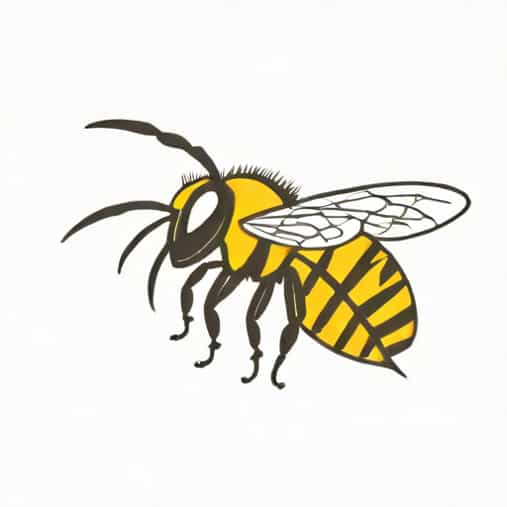
Yellow jackets are a type of wasp known for their aggressive behavior and distinctive black and yellow coloring. They are commonly found in many regions, especially during warmer months. Unlike bees, yellow jackets can sting multiple times because their stinger does not remain in the skin.
These insects are attracted to food, sweet drinks, and garbage, which is why encounters often happen during picnics, outdoor events, or near trash cans. Knowing their habits helps explain why stings are so common.
What Happens When You Are Stung by a Yellow Jacket
When a yellow jacket stings, it injects venom into the skin. This venom causes pain, swelling, redness, and sometimes itching. The initial pain is often described as sharp or burning and may intensify for several minutes before gradually easing.
Unlike mosquito bites, a yellow jacket sting usually causes immediate discomfort. The body’s immune response reacts to the venom, which leads to inflammation at the sting site.
Common Symptoms After a Yellow Jacket Sting
Most people experience mild to moderate symptoms after being stung by a yellow jacket. These symptoms are considered normal and typically improve within a few hours to a couple of days.
- Sharp pain or burning sensation
- Redness around the sting area
- Swelling and warmth
- Itching as the sting begins to heal
In many cases, swelling may increase during the first day and then slowly go down. The sting area can feel tender to the touch for some time.
How Long Do Yellow Jacket Sting Symptoms Last?
If you were stung by a yellow jacket, you might wonder how long the discomfort will last. For most people, pain subsides within a few hours. Swelling and redness often peak within 24 hours and gradually improve over the next two to three days.
In some cases, mild itching or sensitivity can linger for up to a week. This is still considered a normal part of the healing process, especially if the sting occurred in a sensitive area.
Normal Reactions vs Allergic Reactions
It is important to understand the difference between a normal reaction and an allergic reaction. A normal reaction affects only the area around the sting and improves with time.
An allergic reaction, on the other hand, involves symptoms that affect the whole body. These reactions are less common but more serious.
Signs of a Normal Reaction
- Localized swelling and redness
- Pain that gradually improves
- Mild itching or irritation
Signs of an Allergic Reaction
- Hives or rash away from the sting site
- Difficulty breathing or wheezing
- Swelling of the face, lips, or throat
- Dizziness or fainting
If symptoms spread beyond the sting area or worsen quickly, it may indicate an allergic response.
Why Yellow Jacket Stings Hurt So Much
Many people notice that yellow jacket stings feel more painful than other insect stings. This is due to the composition of the venom, which is designed to deter threats. The venom triggers nerve endings and causes inflammation, resulting in intense pain.
Additionally, yellow jackets are known to sting repeatedly, which can increase pain and swelling if multiple stings occur close together.
What to Do After Being Stung
If you were stung by a yellow jacket, staying calm is important. Moving away from the area helps prevent additional stings, as yellow jackets may become more aggressive after one stings.
Cleaning the sting site gently and avoiding scratching can help reduce irritation. While discomfort is expected, most stings improve on their own with basic care.
Areas of the Body That May React More Strongly
The location of the sting can influence how severe the reaction feels. Stings on areas with thinner skin, such as the face, neck, hands, or feet, often swell more noticeably.
Stings near joints can also feel more uncomfortable due to movement. While swelling in these areas may look alarming, it often resolves without complications.
Multiple Yellow Jacket Stings
Being stung multiple times can increase discomfort and prolong recovery. While a single sting is usually not dangerous for most people, multiple stings can lead to stronger reactions due to a higher amount of venom.
People who experience many stings at once should monitor symptoms carefully, even if they are not allergic.
Emotional Response to a Yellow Jacket Sting
Beyond physical symptoms, being stung by a yellow jacket can cause anxiety or fear, especially for those who have had bad experiences with insects before. The sudden pain can trigger a stress response.
Understanding that most yellow jacket stings are not dangerous can help ease worry. Learning more about typical reactions allows people to respond with confidence instead of panic.
Preventing Future Yellow Jacket Stings
After experiencing a sting, many people become more aware of their surroundings. While it is impossible to avoid insects completely, certain habits can reduce risk.
- Avoid leaving food uncovered outdoors
- Be cautious around trash areas
- Wear light-colored clothing
- Avoid sudden movements near flying insects
Understanding yellow jacket behavior helps lower the chances of another painful encounter.
When to Pay Extra Attention to Symptoms
While most stings heal without issue, it is important to observe how your body responds. If swelling continues to increase after several days or signs of infection appear, it may require attention.
People who have been stung before without problems can still develop sensitivities later in life, so monitoring reactions remains important.
Being Stung by a Yellow Jacket
Being stung by a yellow jacket is an unpleasant but common experience, especially during warmer months. For most people, the sting causes temporary pain, swelling, and redness that improve within a few days.
Understanding what is normal after a yellow jacket sting helps reduce fear and encourages appropriate responses. By recognizing symptoms, knowing what to expect, and staying aware of your surroundings, you can recover confidently and reduce the chances of future stings. While the moment may be painful, the body is usually well equipped to heal from a yellow jacket sting.