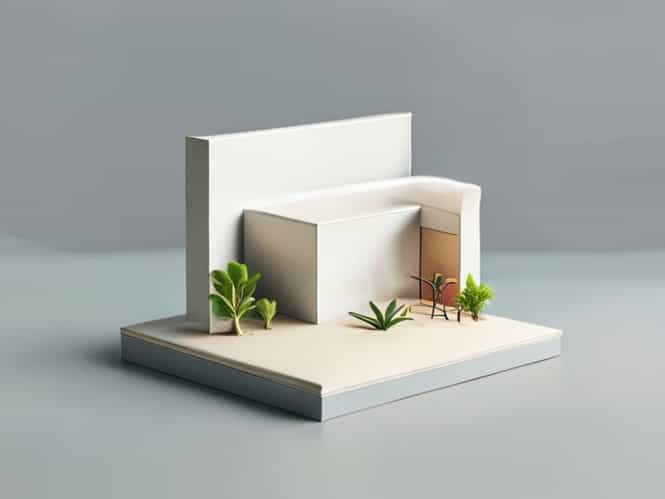
Creating a diorama is a wonderful way to combine creativity, storytelling, and hands-on crafting skills into a single project. Dioramas are three-dimensional representations of scenes, environments, or concepts, often used in educational settings, artistic displays, or hobbyist collections. The possibilities for diorama ideas are practically endless, ranging from natural landscapes and historical events to imaginative fantasy worlds or scientific models. Choosing the right theme, materials, and level of detail can make a diorama both visually appealing and educational, allowing creators to bring their ideas to life in a compact and engaging format.
Natural Landscape Dioramas
One popular category for diorama projects is natural landscapes. These dioramas replicate forests, mountains, deserts, oceans, or other ecosystems, offering a visually rich and educational experience. Creating a natural landscape diorama encourages research about the environment, including the flora, fauna, and geographic features that make the setting unique. This type of diorama is perfect for school projects or home displays, as it combines artistry with learning.
Forest and Woodland Scenes
- Use moss, small twigs, and artificial trees to create realistic forest terrain.
- Add miniature animals like deer, rabbits, or birds to enhance authenticity.
- Incorporate a small river or pond using clear resin or painted materials.
Ocean and Beach Dioramas
- Create a sandy beach using textured sandpaper or fine sand.
- Add miniature shells, boats, and sea creatures to bring the scene to life.
- Use blue-tinted resin or acrylic gel to simulate water, adding waves or ripples for realism.
Mountain and Desert Landscapes
- Shape mountains or cliffs using papier-mâché or foam, then paint for texture.
- Add cacti, rocks, and miniature wildlife to desert dioramas.
- Include pathways, rivers, or waterfalls for added visual interest.
Historical and Educational Dioramas
Dioramas are widely used in educational contexts to visualize historical events, scientific processes, or cultural scenarios. These dioramas help students and viewers better understand complex concepts by providing a tangible and interactive representation. Historical dioramas often include miniature figures, buildings, and artifacts that reflect a specific period or event.
Historical Event Dioramas
- Depict famous battles or wars with miniature soldiers, weapons, and terrain features.
- Create scenes from ancient civilizations, including temples, homes, and marketplaces.
- Show important discoveries or inventions using scaled models of people and objects.
Scientific and Educational Models
- Use dioramas to explain ecosystems, food chains, or geological processes.
- Demonstrate scientific concepts like the water cycle, volcanic eruptions, or weather patterns.
- Include labels and informative notes to make the diorama educational and interactive.
Fantasy and Imaginative Dioramas
Fantasy dioramas allow for boundless creativity, offering an opportunity to design worlds limited only by imagination. These dioramas can include mythical creatures, enchanted forests, futuristic cities, or alien landscapes. Fantasy-themed dioramas are particularly popular among hobbyists, artists, and fans of genres like science fiction and fantasy literature or games.
Enchanted Forests and Magical Worlds
- Create mystical forests with glowing trees, fairies, and magical creatures.
- Use LEDs or reflective materials to simulate magical effects or mystical lighting.
- Add hidden pathways, miniature cabins, or ponds to enhance the sense of exploration.
Futuristic and Sci-Fi Dioramas
- Design alien landscapes with unusual terrain and exotic plants or structures.
- Add miniature spaceships, robots, or advanced technology for a futuristic theme.
- Experiment with metallic paints, glowing effects, and creative shapes to enhance the sci-fi vibe.
Urban and Architectural Dioramas
Urban and architectural dioramas focus on cityscapes, buildings, or transportation networks. These dioramas can be highly detailed, capturing streets, vehicles, and human activity on a miniature scale. This type of diorama is popular among hobbyists, model train enthusiasts, and architecture students.
Cityscape Dioramas
- Include streets, sidewalks, and buildings to create realistic urban environments.
- Add miniature people, cars, streetlights, and trees to enhance realism.
- Incorporate landmarks or recognizable buildings to make the diorama more engaging.
Architectural Models
- Create scaled representations of famous buildings, bridges, or monuments.
- Focus on accurate proportions, textures, and materials for educational or professional purposes.
- Combine multiple structures to showcase an entire neighborhood or city block.
Materials and Techniques
Choosing the right materials and techniques is essential for creating an effective diorama. Basic materials include foam boards, cardboard, clay, papier-mâché, acrylic paints, glue, and miniature figures or accessories. Advanced techniques can include sculpting terrain, painting realistic textures, using resin for water effects, and adding lighting for dramatic impact. The choice of materials depends on the desired level of detail, durability, and complexity of the diorama.
Construction Tips
- Plan the scene layout before starting construction to ensure proper proportions and balance.
- Use lightweight materials for easy handling and transportation.
- Layer materials to create depth, perspective, and realism.
- Experiment with textures, paints, and miniature props to enhance authenticity.
Educational and Fun Benefits
Creating dioramas offers numerous educational and personal benefits. They encourage problem-solving, planning, artistic expression, and research skills. Students can gain a deeper understanding of subjects like history, science, or geography by visually representing key concepts. Additionally, dioramas are fun to build, offering a satisfying sense of accomplishment and an opportunity for family or group collaboration.
Learning Opportunities
- Enhances understanding of complex subjects through visual representation.
- Develops fine motor skills and spatial awareness during construction.
- Encourages creative thinking and storytelling through scene design.
Entertainment and Hobby
For hobbyists, dioramas provide a fulfilling artistic outlet. Whether creating miniature worlds, historical recreations, or imaginative scenes, dioramas offer endless opportunities for creativity and personal expression. They can also serve as collectible items, gifts, or educational displays in schools, museums, and exhibitions.
Ideas for a diorama are limited only by imagination and purpose. Whether focusing on natural landscapes, historical events, fantasy worlds, or urban environments, dioramas provide a three-dimensional canvas for creativity, education, and storytelling. The combination of materials, techniques, and careful planning allows creators to construct visually engaging and meaningful scenes. Dioramas not only enhance understanding of a subject but also offer enjoyment and satisfaction through the hands-on process of building and designing. By exploring different themes, experimenting with materials, and paying attention to detail, anyone can create a diorama that is both beautiful and informative. From classrooms to hobby rooms, dioramas continue to inspire, educate, and entertain, proving that a small-scale representation can have a big impact on learning and creativity.
In essence, dioramas are versatile tools that merge art, education, and storytelling. They encourage creativity, problem-solving, and attention to detail, while also serving as captivating displays for a wide audience. By selecting the right theme, employing suitable materials, and using thoughtful techniques, diorama creators can transform ordinary spaces into miniature worlds that captivate the imagination and provide lasting value. Whether for education, hobby, or artistic expression, dioramas remain a timeless and engaging form of creative exploration.