Hiking is a popular outdoor activity that offers adventure, exercise, and the chance to connect with nature. Whether exploring mountain trails, forest paths, or scenic hills, hikers often encounter a variety of trail features designed to make the journey safer and more manageable. One such feature is the switchback, a term commonly used in hiking and trail design. Understanding what a switchback is, why it is used, and how to navigate it effectively can enhance the hiking experience and help hikers tackle steep terrain safely. In this topic, we will explore the concept of switchbacks in hiking, their benefits, and tips for hiking on them.
Definition of a Switchback
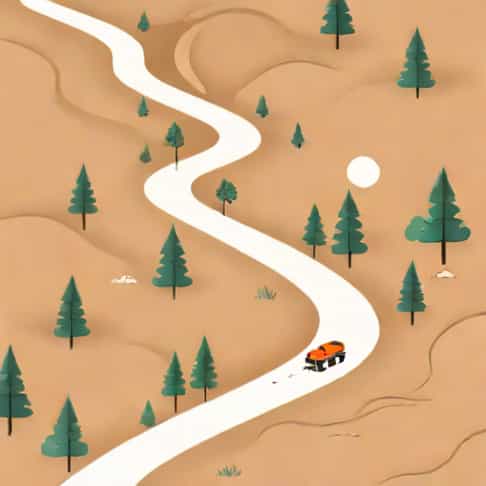
In hiking, a switchback is a trail design that zigzags back and forth across a steep slope rather than going straight up or down. Each segment of the trail changes direction, typically forming sharp angles, which reduces the overall grade of the trail. By doing so, switchbacks make steep ascents or descents more manageable, reduce the risk of erosion, and allow hikers to maintain a safer pace. Switchbacks are common in mountainous regions, forested hills, and any area where a direct path would be too steep or unsafe for hikers.
Origin of the Term
The term switchback originally comes from early railroad construction, where tracks had to zigzag up steep hills to allow trains to climb without tipping over. In hiking and trail design, the concept was adapted to create trails that follow a similar zigzag pattern, making steep climbs accessible for people on foot.
Why Switchbacks Are Used in Hiking Trails
Switchbacks serve several important purposes in trail design, especially when dealing with challenging terrain
Reducing Steepness
One of the primary reasons switchbacks are implemented is to reduce the steepness of a trail. A direct route up a hill can be extremely steep, exhausting, and potentially dangerous. By creating a zigzag pattern, the trail distributes the elevation gain over a longer distance, making it easier for hikers to climb without overexerting themselves.
Preventing Erosion
Steep, direct trails are highly susceptible to erosion. Water runoff can quickly wear down a straight trail, creating gullies and making the path unsafe. Switchbacks help slow water flow and reduce soil displacement, preserving the trail and surrounding environment for future hikers.
Improving Safety
Hiking on a steep, straight path increases the risk of slipping and falling, especially on loose or rocky terrain. Switchbacks provide a safer route by creating a gentler incline, allowing hikers to maintain better balance and footing. Additionally, the change in direction often gives hikers better visibility of the trail ahead, which can prevent accidents.
Types of Switchbacks
Switchbacks can vary in design depending on the terrain, trail usage, and environmental considerations. Some common types include
- Single SwitchbacksThese consist of a simple zigzag with one sharp turn, often used on moderate slopes.
- Multiple SwitchbacksIn steep or long ascents, multiple switchbacks are used in sequence to create a continuous manageable path.
- Engineered SwitchbacksThese are carefully constructed using retaining walls, steps, and grading to provide stability and prevent erosion on heavily trafficked trails.
How to Hike on Switchbacks
Hiking on switchbacks requires some adjustment to your typical walking pattern. Here are some tips for navigating them effectively
Maintain a Steady Pace
Switchbacks are designed to make steep climbs manageable, but hiking too quickly can still lead to fatigue. Take a steady, measured pace to conserve energy while ascending or descending.
Use Proper Foot Placement
Pay attention to where you place your feet, especially on turns and slopes. Step on solid ground and avoid loose rocks or soil. Keeping your weight slightly forward while ascending can help maintain balance.
Leverage Hiking Poles
Hiking poles can provide extra stability on switchbacks, particularly on steep or uneven terrain. They help distribute weight, reduce strain on knees, and improve balance during sharp turns.
Stay on the Trail
It is important to remain on the switchback trail and avoid creating shortcuts. Cutting across switchbacks, known as trail braiding, can damage vegetation, accelerate erosion, and make the path less safe for other hikers.
Benefits of Using Switchbacks in Hiking Trails
Switchbacks provide numerous benefits beyond making a steep trail more manageable. Some key advantages include
- Reducing physical strain on hikers during steep climbs or descents
- Minimizing environmental impact by preventing erosion and protecting vegetation
- Allowing hikers of varying skill levels to enjoy challenging terrain safely
- Providing opportunities for scenic viewpoints, as the zigzag path often exposes hikers to different angles of the landscape
- Improving trail longevity by distributing wear and tear across a longer path
Common Mistakes to Avoid on Switchbacks
Even though switchbacks are designed to be safer, hikers can make mistakes that reduce their effectiveness or create hazards
- Cutting switchbacks or taking shortcuts, which damages trails and causes erosion
- Rushing through the trail without pacing yourself, leading to fatigue and increased risk of injury
- Ignoring trail markers or directions, which can cause hikers to get lost or take unsafe paths
- Failing to adjust footing on turns, which can lead to slips or falls
In hiking, a switchback is a trail design that zigzags back and forth across a steep slope, allowing hikers to ascend or descend safely while reducing physical strain and environmental impact. Switchbacks are essential for managing steep terrain, preventing erosion, and maintaining trail safety. By understanding the purpose of switchbacks and learning how to navigate them effectively, hikers can enjoy challenging trails with confidence and ease. Whether you are a beginner or an experienced hiker, recognizing and respecting switchbacks ensures a safer, more enjoyable hiking experience and helps preserve the natural beauty of the trails for everyone.