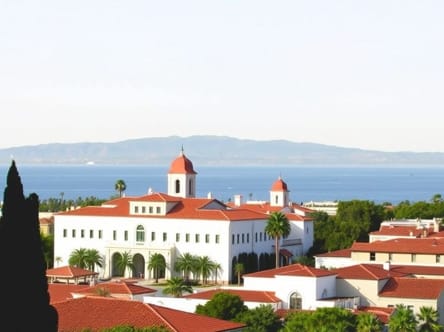
Many people may have heard of San Juan Capistrano, especially in relation to the famous mission or the swallows that return every year. But what exactly is San Juan Capistrano? Is it just a historic landmark or a full-fledged city in its own right? This question often arises among travelers, history buffs, and those curious about cities in Southern California. To answer this question properly, it’s important to understand San Juan Capistrano’s geographic location, governance, historical significance, and modern-day characteristics.
Location and Administrative Status
Is San Juan Capistrano officially a city?
Yes, San Juan Capistrano is officially a city. It is located in Orange County, in the state of California, United States. The city was incorporated on April 19, 1961, giving it recognized status as a municipality under California state law. Being incorporated means San Juan Capistrano has its own city council, local government, and the authority to manage services like police, public works, and community planning.
Although the area is widely known for its historic mission and Spanish colonial architecture, San Juan Capistrano is not just a tourist spot or a neighborhood it is a fully functioning city with residents, businesses, schools, and municipal services.
Geographic context within California
San Juan Capistrano is located in the southern part of Orange County, roughly midway between Los Angeles and San Diego. It sits near other well-known cities such as Dana Point, Mission Viejo, and Laguna Niguel. The city enjoys a Mediterranean climate and is situated close to both mountains and beaches, making it a desirable place to live and visit.
Historical Background
Early beginnings and the Mission
The city is most famous for Mission San Juan Capistrano, one of the original Spanish missions founded in 1776 by Father Junípero Serra. This mission played a key role in the region’s development during the Spanish and Mexican periods. The town grew around the mission and eventually evolved into a modern city while preserving much of its historic charm.
During the 19th and early 20th centuries, San Juan Capistrano remained a small, rural community centered around agriculture and ranching. Its growth accelerated in the post-World War II era, and by the 1960s, local leaders pushed for formal incorporation as a city to better manage development and public services.
Incorporation and city governance
Since incorporating in 1961, San Juan Capistrano has operated as a general law city under California statutes. It is governed by a city council composed of elected officials who set policies, pass ordinances, and oversee municipal operations. This structure confirms its official status as a city and distinguishes it from unincorporated areas or towns without formal government structures.
Community and Population
Who lives in San Juan Capistrano?
San Juan Capistrano has a diverse and growing population. According to the latest census estimates, the city is home to over 35,000 residents. The community includes a mix of families, professionals, retirees, and people with historical roots in the area going back generations. Spanish heritage remains strong, but the city also reflects the multicultural makeup typical of Southern California.
Neighborhoods and housing
The city features a blend of residential areas, ranging from historic adobe homes to modern developments and equestrian properties. Some neighborhoods are nestled in the hills, while others are closer to the mission and downtown area. Home styles vary, but there is a strong emphasis on preserving the city’s Spanish colonial character.
Local Economy and Infrastructure
What drives the local economy?
San Juan Capistrano’s economy is supported by several key sectors, including
- TourismVisitors come from all over the world to see Mission San Juan Capistrano, the historic downtown, and the famous swallows.
- Retail and servicesLocal shops, restaurants, and small businesses serve both residents and tourists.
- Equestrian activitiesThe city is known for its horse stables, trails, and events, which contribute to its economy and identity.
- Real estate and developmentDue to its scenic setting and desirable location, housing and land development are important economic factors.
Transportation and infrastructure
San Juan Capistrano is served by multiple transportation routes, including the Interstate 5 freeway, which connects the city to Los Angeles and San Diego. It also has a well-preserved train depot that is part of the Amtrak and Metrolink systems, offering convenient travel options. Public infrastructure is managed by the city government, ensuring the availability of roads, utilities, and public spaces.
Cultural and Civic Life
Events and traditions
One of the most well-known traditions in San Juan Capistrano is the annual return of the swallows. These birds migrate from Argentina and return each spring to nest near the mission. The city celebrates this phenomenon with the Swallows Day Parade, which attracts thousands of visitors and showcases local culture through music, food, and performances.
The city also hosts various festivals, historical reenactments, and community events throughout the year. These activities reflect San Juan Capistrano’s commitment to preserving its heritage while fostering civic engagement and cultural pride.
Education and community services
San Juan Capistrano is served by the Capistrano Unified School District, which operates several public schools in the area. There are also private and parochial schools, making education a strong focus in the community. Libraries, parks, and recreational centers are maintained by the city to enhance quality of life for residents of all ages.
Why San Juan Capistrano Is More Than Just a Landmark
A living, thriving city
While it is easy to associate San Juan Capistrano solely with its historic mission or its picturesque downtown, the city is much more than that. It is a thriving community that balances growth with heritage preservation. As a recognized city in California, it plays a vital role in the broader Orange County region, both economically and culturally.
Modern challenges and future outlook
Like many cities, San Juan Capistrano faces modern challenges such as traffic congestion, housing affordability, and the need for sustainable development. The city council and residents are actively involved in shaping policies that address these issues while maintaining the charm and uniqueness that define the city.
San Juan Capistrano is undeniably a city not just in the legal or administrative sense, but in the full sense of being a place where people live, work, and build community. It has its own government, economy, culture, and services. While its history is deeply rooted in the Spanish mission era, its present and future are shaped by a modern, engaged population. Anyone wondering whether San Juan Capistrano is a city can confidently say yes and more than that, it is a city with a strong sense of identity and purpose.