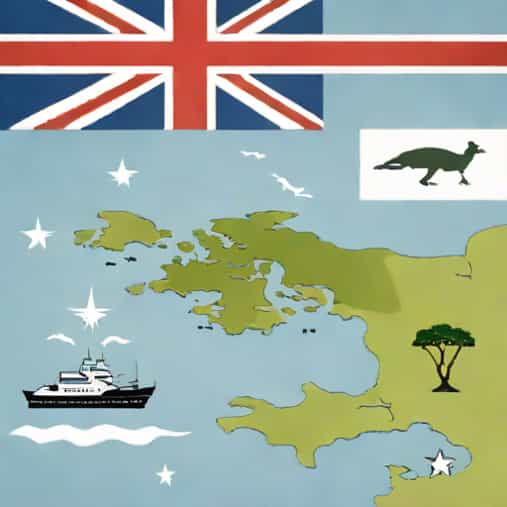
The Falkland Islands, a remote archipelago in the South Atlantic Ocean, have been a topic of international attention and debate for many decades. One of the most common questions is whether the Falklands are part of the United Kingdom. This question touches on history, politics, sovereignty, and international law. The islands are home to a small population and have strategic and economic importance due to their location and natural resources. Understanding the status of the Falklands requires examining historical claims, the outcome of conflicts, and the current political and legal framework that governs the islands today.
Geography and Overview of the Falkland Islands
The Falkland Islands are located about 300 miles east of the coast of Argentina and consist of two main islands, East Falkland and West Falkland, along with over 700 smaller islands. The islands have a population of approximately 3,400 people, most of whom live in the capital, Stanley. The economy of the Falklands is primarily based on fishing, sheep farming, and tourism, with increasing interest in oil exploration in the surrounding waters. The islands are known for their natural beauty, wildlife, and unique ecosystems.
Historical Background
The history of the Falkland Islands is complex, involving multiple claims and settlements by different nations. The first recorded sighting of the islands by Europeans was in the 16th century, with both Britain and Spain establishing early settlements at different times. In the early 19th century, Argentina claimed sovereignty following its independence from Spain, but Britain reasserted control over the islands in 1833. Since then, the islands have been administered as a British Overseas Territory, although Argentina continues to claim sovereignty, referring to the islands as the Islas Malvinas.
British Administration and Legal Status
The Falkland Islands are a self-governing British Overseas Territory. This means they are under the sovereignty of the United Kingdom but have a high degree of local autonomy. The islands have their own constitution, government, and legislative assembly, which manage internal affairs such as education, healthcare, and infrastructure. The UK retains responsibility for defense, foreign policy, and overall security. The British presence on the islands includes a military garrison to deter potential threats and ensure stability in the region.
International Recognition and Disputes
While the Falklands are legally a British Overseas Territory, their status is disputed internationally. Argentina has long maintained a claim to the islands, asserting that they are part of its national territory. The dispute led to the Falklands War in 1982, when Argentina attempted to take control of the islands by force. The conflict lasted ten weeks and resulted in a British military victory, reaffirming British control. Despite the war, Argentina continues to advocate for its claim, and the issue remains a sensitive diplomatic topic between the two nations.
The 2013 Referendum
One of the most significant events in confirming the status of the Falkland Islands was the 2013 referendum. The residents of the islands were asked whether they wished to remain a British Overseas Territory or become part of Argentina. The result was overwhelmingly in favor of remaining under British sovereignty, with 99.8% of voters supporting the continuation of the current status. This referendum was recognized internationally as a clear expression of the islanders’ will, reinforcing the position that the Falklands are part of the United Kingdom from a democratic perspective.
Political and Diplomatic Implications
The status of the Falklands continues to influence international relations, particularly between the UK, Argentina, and regional organizations in South America. While Britain emphasizes the principle of self-determination for the Falkland Islanders, Argentina stresses territorial integrity and historical claims. Diplomatic efforts often involve negotiations over resource rights, fishing zones, and oil exploration. The situation requires balancing respect for the islanders’ wishes with ongoing geopolitical considerations in the South Atlantic.
Economic Importance of the Falkland Islands
The economic aspects of the Falklands contribute to their strategic value. The islands’ waters are rich in fish, and the fishing industry provides a significant portion of the local economy. Additionally, the potential for offshore oil and gas reserves has attracted international attention and investment. Sheep farming remains a traditional economic activity, producing high-quality wool for export. Tourism is another growing sector, drawing visitors interested in wildlife, history, and adventure travel. These economic factors reinforce the islands’ viability as a self-governing territory under British sovereignty.
Military and Strategic Significance
The Falkland Islands hold strategic importance due to their location in the South Atlantic. The UK maintains a military presence on the islands to ensure defense and protect sovereignty. During the 1982 conflict, the British military demonstrated the strategic significance of the islands in regional security. Today, the presence of the Royal Navy and air force bases serves both as a deterrent and as a reassurance to the islanders. The strategic value of the islands continues to play a role in the ongoing sovereignty debate with Argentina.
Cultural Identity of the Falkland Islanders
The residents of the Falkland Islands, often called Kelpers, have developed a distinct cultural identity that combines British traditions with the unique environment of the islands. English is the primary language, and cultural practices, education, and governance are modeled after British systems. The strong sense of local identity contributes to the desire to remain a British Overseas Territory and underscores the importance of self-determination in the sovereignty debate. The islands’ culture reflects both historical ties to Britain and adaptation to life in a remote, challenging environment.
Legal and Constitutional Framework
The Falklands operate under the Falkland Islands Constitution, which establishes the governance structure and legal system. This framework guarantees the rights of residents, defines the responsibilities of the local government, and outlines the role of the British government. The legal framework supports the islands’ status as a British Overseas Territory while allowing significant autonomy in domestic affairs. The constitution also provides mechanisms for participating in international negotiations, ensuring that the islanders’ views are represented in decisions affecting their future.
the Falkland Islands are part of the United Kingdom as a British Overseas Territory. This status is supported by historical control, legal frameworks, and the clear preference of the islanders as demonstrated in the 2013 referendum. While Argentina continues to claim the islands, international law and democratic principles support British sovereignty. The Falklands are a unique combination of strategic location, economic potential, and cultural identity, which together reinforce their connection to the UK. Understanding the complex history, political implications, and local perspectives helps clarify why the Falklands remain under British administration today.