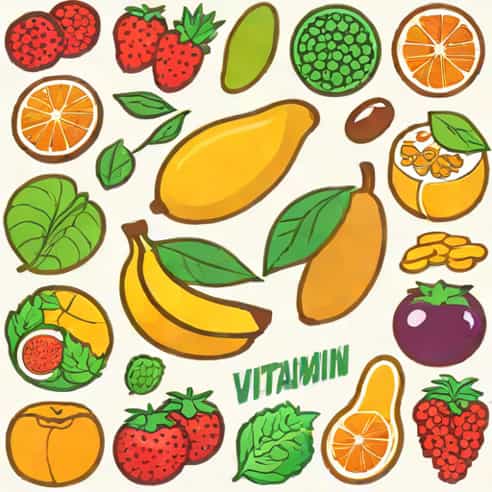
Vitamin E is often mentioned in discussions about skin health, aging, and immune support, but one of its most essential functions is its role as an antioxidant. Antioxidants are substances that protect the body’s cells from damage caused by free radicals-unstable molecules that can contribute to aging and various diseases. Vitamin E, being a fat-soluble nutrient, plays a vital role in maintaining the health of cell membranes and preventing oxidative stress throughout the body. Understanding how vitamin E functions as an antioxidant helps explain why it is so important for overall health and why it’s often included in supplements and skincare products.
Understanding What an Antioxidant Is
To understand whether vitamin E is an antioxidant, it’s helpful to know what antioxidants do. In simple terms, antioxidants are molecules that can neutralize free radicals. Free radicals are formed when the body breaks down food or is exposed to environmental stressors like pollution, tobacco smoke, and ultraviolet radiation. These unstable molecules can damage cells, proteins, and DNA. Over time, this damage may lead to chronic diseases such as heart disease, cancer, and neurodegenerative disorders.
Antioxidants like vitamin E act as a defense system by donating an electron to free radicals without becoming unstable themselves. This process helps stop the chain reaction that leads to oxidative stress, which can otherwise weaken the body’s cells and tissues.
The Role of Vitamin E as an Antioxidant
Vitamin E refers to a group of eight compounds, including four tocopherols and four tocotrienols, with alpha-tocopherol being the most active form in the human body. It is primarily stored in the liver and released as needed to protect cells from oxidative damage. Because it is fat-soluble, vitamin E is especially important in protecting the fats that make up cell membranes from oxidation.
How Vitamin E Neutralizes Free Radicals
When free radicals attack the fatty acids in cell membranes, vitamin E steps in to stop the damage. It does this by donating one of its electrons to the free radical, stabilizing it before it can harm more cells. After donating an electron, vitamin E becomes a mild free radical itself, but it can be restored back to its active antioxidant form by other antioxidants in the body, such as vitamin C. This teamwork between antioxidants helps maintain balance and prevent cellular damage.
Protecting Lipids and Cell Membranes
One of the most critical functions of vitamin E is to protect lipids, which are fats found in cell membranes. The lipid layer is crucial for maintaining the structure and function of cells. When lipids are oxidized, the cell membrane becomes weaker and more permeable, which can disrupt normal cell activity. Vitamin E acts as a shield that prevents this oxidative damage, keeping cells stable and functional.
Sources of Vitamin E
Getting enough vitamin E from your diet is essential for maintaining antioxidant protection. Fortunately, vitamin E is found in many foods, especially those high in healthy fats. Some excellent sources include
- Nuts and seeds such as almonds, sunflower seeds, and hazelnuts
- Vegetable oils like sunflower oil, wheat germ oil, and safflower oil
- Green leafy vegetables such as spinach, kale, and broccoli
- Avocados and mangoes
- Fortified cereals and other enriched foods
Since vitamin E is fat-soluble, it is best absorbed when consumed with dietary fats. A balanced diet containing these foods usually provides enough vitamin E for most people, but in certain cases, supplements may be recommended.
Health Benefits of Vitamin E as an Antioxidant
The antioxidant properties of vitamin E contribute to a wide range of health benefits. By protecting cells from oxidative damage, vitamin E supports multiple systems in the body and promotes long-term well-being.
1. Skin Health and Anti-Aging
Vitamin E is widely used in skincare because of its ability to combat oxidative stress caused by UV rays and pollution. It helps maintain skin elasticity, reduces signs of aging such as fine lines, and supports wound healing. Many creams and lotions contain vitamin E for its soothing and moisturizing effects on the skin.
2. Heart Health
Free radicals can oxidize low-density lipoprotein (LDL) cholesterol, making it more likely to stick to artery walls and contribute to plaque buildup. By preventing this oxidation, vitamin E helps lower the risk of atherosclerosis and other cardiovascular problems. Some studies suggest that maintaining adequate levels of vitamin E may contribute to a healthier heart and improved blood circulation.
3. Immune System Support
As an antioxidant, vitamin E also plays a role in maintaining immune function. It helps protect immune cells from damage, allowing the body to respond more effectively to infections. Older adults, in particular, may benefit from vitamin E supplementation to support a stronger immune response.
4. Eye Health
Oxidative stress contributes to age-related macular degeneration (AMD) and cataracts. Vitamin E helps reduce this damage by protecting eye tissues from oxidation. It works together with other nutrients like vitamin C and zinc to maintain healthy vision over time.
5. Brain Function
Oxidative damage in brain cells is linked to neurodegenerative diseases like Alzheimer’s. Vitamin E’s antioxidant activity may help slow cognitive decline by protecting neurons from free radical damage. While it is not a cure, adequate vitamin E intake supports brain health and may delay age-related memory loss.
Vitamin E Deficiency and Its Effects
Although rare, vitamin E deficiency can occur in people with certain medical conditions that affect fat absorption, such as cystic fibrosis or Crohn’s disease. Symptoms of deficiency include muscle weakness, vision problems, and immune system impairment. Over time, lack of vitamin E can lead to nerve and muscle damage, highlighting its importance in protecting cells and maintaining normal body functions.
Balancing Vitamin E Intake
While vitamin E is essential, taking too much can also cause problems. High doses of supplements may interfere with blood clotting and increase the risk of bleeding. Therefore, it’s best to get vitamin E primarily from natural food sources unless prescribed by a healthcare professional. The recommended daily intake for adults is about 15 milligrams (22.4 IU) of alpha-tocopherol per day.
Other Antioxidants That Work with Vitamin E
Vitamin E doesn’t work alone-it functions best alongside other antioxidants. Vitamin C, for instance, helps regenerate vitamin E after it neutralizes a free radical. Selenium, another important nutrient, supports antioxidant enzymes that work in harmony with vitamin E. A diet rich in fruits, vegetables, and whole grains ensures a balanced intake of these nutrients, providing comprehensive protection against oxidative stress.
Vitamin E is indeed an antioxidant, and one of the most important ones for protecting the body’s cells from free radical damage. Its ability to stabilize harmful molecules and prevent lipid oxidation makes it essential for maintaining healthy skin, heart, eyes, and brain. Regular consumption of vitamin E-rich foods ensures your body stays protected against oxidative stress and its long-term effects. By incorporating this vital nutrient into your diet naturally and maintaining balance, you can support your body’s defense system and promote lasting health.