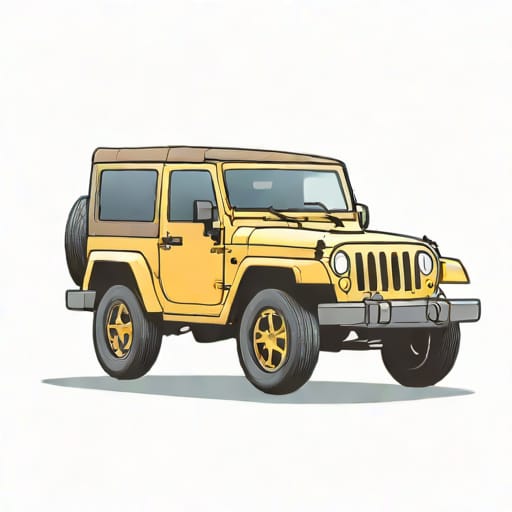
Jeep Wrangler owners often take pride in the rugged capability and iconic design of their vehicles, but one common issue that can arise, particularly in certain climates, is condensation inside the cabin or on windows. This problem can be both annoying and potentially harmful if left unaddressed, as it can obscure visibility and contribute to mold or mildew growth. Condensation occurs when warm, moist air comes into contact with cooler surfaces, leading to the formation of water droplets. For Jeep Wranglers, the issue may be exacerbated by the removable tops, off-road adventures, and exposure to rain or snow, which can introduce moisture into the vehicle’s interior. Understanding the causes, prevention strategies, and solutions for condensation inside a Jeep Wrangler is essential for maintaining comfort, safety, and the longevity of the vehicle’s interior components.
Causes of Condensation Inside a Jeep Wrangler
Condensation inside a Jeep Wrangler can arise from multiple factors, often related to both environmental conditions and vehicle use. One primary cause is the presence of moisture-laden air inside the cabin. Activities such as entering the vehicle with wet clothing, bringing in snow, or spilling drinks can all increase humidity levels. Additionally, temperature differences between the outside environment and the interior surfaces, particularly windows and windshields, can cause moisture in the air to condense. Older or damaged seals on doors and windows may allow water ingress, further increasing the likelihood of condensation. Furthermore, the Wrangler’s removable top and soft top options may trap additional moisture, especially if they are not completely dry after rain or washing.
Weather and Seasonal Influence
Environmental conditions play a significant role in condensation issues. Cold weather can lead to fogging on windows as the warm, humid air from the cabin meets the cold glass. During rainy or humid seasons, trapped moisture in the vehicle is more likely to condense, especially if ventilation is limited. Conversely, in hot and humid climates, air conditioning systems can cool the interior rapidly, which may also contribute to condensation on certain surfaces. Jeep Wranglers, with their removable tops and multiple cabin vents, require careful attention to these seasonal and weather-related factors to prevent moisture buildup.
Identifying the Problem
Recognizing condensation issues early is crucial for preventing further complications. Common signs include foggy windows, water droplets forming on interior surfaces, and a damp smell inside the vehicle. In some cases, condensation may accumulate on the floor mats, seats, or under the dashboard. Persistent condensation can lead to water damage, corrosion, or mold growth, which can affect both the interior materials and electronic components. By identifying these early indicators, Jeep Wrangler owners can take proactive measures to address the problem before it escalates.
Inspection and Diagnosis
To determine the source of condensation, a thorough inspection of the vehicle is recommended. Check the door seals, window seals, and soft top for any signs of wear, damage, or leaks. Examine the floor and carpeting for moisture accumulation, and inspect areas under seats and in storage compartments. Using a moisture meter or even simply feeling for damp spots can help identify hidden areas of concern. If condensation is particularly severe or persistent, it may be helpful to consult a professional mechanic who can assess potential issues with the HVAC system, seals, or drainage channels.
Prevention Strategies
Preventing condensation in a Jeep Wrangler involves a combination of proper ventilation, moisture control, and regular maintenance. Ensuring that the vehicle is well-ventilated during and after use is essential. This may include slightly opening windows to allow airflow, using the vehicle’s climate control system effectively, and avoiding prolonged periods with the top on in wet conditions without proper drying. Removing wet clothing, boots, or gear before entering the cabin can also reduce the amount of moisture introduced into the vehicle. Using protective floor mats and seat covers can prevent water from seeping into carpets and upholstery.
Using Moisture Absorbers
Another effective method for controlling condensation is the use of moisture absorbers or desiccant packs. Products such as silica gel packs or automotive moisture absorbers can be placed inside the vehicle to reduce humidity levels. These products work by absorbing excess moisture in the air, helping to prevent condensation from forming on windows and interior surfaces. Regularly replacing or recharging these absorbers ensures they remain effective. Additionally, some Jeep Wrangler owners use small portable dehumidifiers when the vehicle is parked for extended periods, especially in humid environments.
Addressing Existing Condensation
Once condensation has formed, it is important to address it promptly to prevent damage. The first step is to dry out the affected areas using towels or microfiber cloths. Opening windows and doors to allow airflow, or using the vehicle’s HVAC system on a dry or defog mode, helps to remove moisture. For persistent damp spots, a combination of gentle heating and ventilation can accelerate drying. In cases where water has accumulated under carpets or in hidden areas, removing the carpet or using specialized drying equipment may be necessary. Addressing leaks or damaged seals is critical to prevent recurring condensation issues.
Maintenance Tips
Regular maintenance can prevent condensation from becoming a chronic problem. Inspect door and window seals periodically for wear and replace them as needed. Clean and dry the soft top thoroughly after rain or washing, paying attention to seams and zippers. Ensure that drainage channels and vents are clear of debris, allowing water to exit the vehicle properly. Checking and maintaining the HVAC system, including cabin air filters, ensures that airflow remains efficient and humidity is controlled. By keeping the Jeep Wrangler well-maintained, owners can minimize the risk of condensation and its associated problems.
Impact on Safety and Comfort
Condensation inside a Jeep Wrangler is not merely a nuisance; it can have implications for both safety and comfort. Fogged windows reduce visibility, increasing the risk of accidents, particularly in low-light or high-traffic conditions. Damp interiors can create an unpleasant driving experience, contributing to discomfort and even health issues if mold or mildew develops. Addressing condensation promptly ensures that the vehicle remains safe to drive and comfortable for passengers, maintaining the overall quality of the Jeep Wrangler experience.
Long-Term Considerations
Neglecting condensation issues can result in long-term damage to the vehicle’s interior and electronic systems. Prolonged exposure to moisture can lead to corrosion of metal components, deterioration of upholstery, and potential electrical problems. Taking proactive steps to manage condensation protects the vehicle’s value and longevity. Jeep Wrangler owners who regularly inspect, ventilate, and maintain their vehicles are better equipped to enjoy their off-road adventures without the distraction and risks posed by interior moisture.
Condensation inside a Jeep Wrangler is a common issue that can affect visibility, comfort, and the longevity of the vehicle’s interior components. Understanding the causes, such as moisture accumulation, temperature differences, and weather conditions, helps owners address the problem effectively. Prevention strategies, including proper ventilation, moisture control, and regular maintenance, are essential for minimizing condensation. When condensation does occur, timely action to dry the interior and repair seals ensures that the Jeep remains safe and enjoyable to drive. By taking a proactive approach, Jeep Wrangler owners can continue to explore the outdoors with confidence, free from the frustrations and potential hazards of interior condensation.