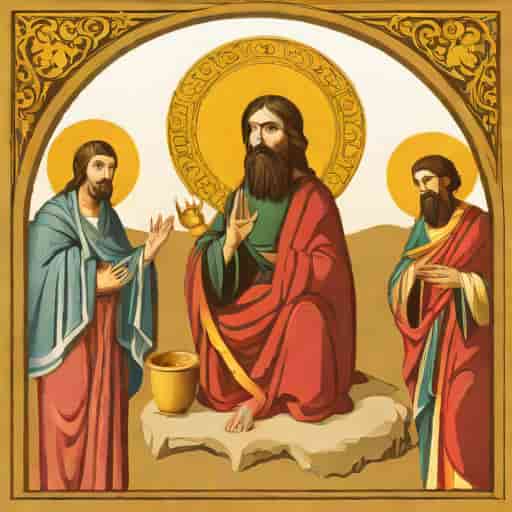
The Isenheim Altarpiece is widely recognized as one of the most extraordinary works of religious art from the early 16th century, created by the German painter Matthias Grünewald. Among its many panels, the depiction of John the Baptist stands out for its spiritual intensity and artistic significance. This altarpiece, originally made for the Monastery of St. Anthony in Isenheim, France, was designed to serve both liturgical and therapeutic purposes, particularly for patients suffering from ergotism, commonly known as St. Anthony’s Fire. The inclusion of John the Baptist in the altarpiece adds a layer of symbolic meaning, emphasizing repentance, preparation for salvation, and the prophetic voice of the forerunner of Christ. The figure of John the Baptist, painted with Grünewald’s characteristic expressive style, reflects both human vulnerability and divine mission, making it an enduring subject of study for art historians, theologians, and enthusiasts alike.
Historical Context of the Isenheim Altarpiece
Commissioned in the early 1500s, the Isenheim Altarpiece was intended to adorn the chapel of the Monastery of St. Anthony, a hospital and religious institution dedicated to caring for those afflicted with severe diseases. During this period, religious art served multiple functions, acting as devotional imagery, teaching tools, and sources of comfort for the sick. Matthias Grünewald, an artist celebrated for his dramatic use of color and emotion, created a series of panels that combined narrative storytelling with profound spiritual messages. John the Baptist’s panel is among these, portraying the saint in a way that both commands reverence and inspires contemplation.
The Role of John the Baptist in Christian Iconography
John the Baptist holds a unique place in Christian tradition as the prophet who announced the coming of Jesus Christ and baptized followers in the River Jordan. He is often depicted with symbolic elements such as a camel-hair garment, a staff, or a scroll reading Ecce Agnus Dei (Behold the Lamb of God). In the context of the Isenheim Altarpiece, John the Baptist serves as a reminder of spiritual preparation and repentance. His presence among other panels, including the Crucifixion and the Resurrection, underscores the continuity of biblical prophecy and the fulfillment of divine salvation.
Artistic Features of John the Baptist Panel
Grünewald’s representation of John the Baptist in the Isenheim Altarpiece is distinguished by intense expressiveness, vivid colors, and intricate attention to detail. The figure is often shown with a rugged appearance, reflecting both the ascetic life of the saint and the raw human emotion that Grünewald masterfully conveys. The use of light and shadow emphasizes the spiritual aura surrounding John, while the meticulous rendering of textures, such as hair and fabric, demonstrates the artist’s technical prowess. This panel, like others in the altarpiece, invites viewers to meditate on the saint’s role in salvation history and the transformative power of repentance.
Symbolism and Meaning
The John the Baptist panel contains rich symbolic elements that enhance its religious significance. The desert setting often associated with John highlights his life of solitude and spiritual discipline, while the staff and scroll signify his prophetic mission. Additionally, his gaze and posture may reflect the urgency of his message, urging viewers to recognize the importance of spiritual preparation. Within the broader context of the altarpiece, these symbols interact with other panels to create a cohesive narrative that addresses human suffering, divine intervention, and hope for redemption.
Connection to Healing and the Monastery of St. Anthony
The Isenheim Altarpiece was not only a work of art but also a tool for the spiritual and physical healing of patients at the Monastery of St. Anthony. Those suffering from ergotism experienced agonizing symptoms, and the vivid, sometimes shocking imagery of the altarpiece, including John the Baptist, was intended to provide both empathy and spiritual solace. The saint’s ascetic lifestyle and unwavering dedication to his mission offered a model of perseverance and faith, encouraging patients to endure their trials with hope and devotion.
Influence on Later Art and Devotion
Grünewald’s depiction of John the Baptist has had a lasting influence on both religious art and devotional practices. The emotive quality of the painting, combined with its theological depth, set a precedent for future artists seeking to convey spiritual intensity. The panel has inspired scholars, painters, and theologians, contributing to a greater appreciation of narrative complexity and emotional resonance in religious imagery. Furthermore, it continues to attract visitors and devotees who find meaning in the profound depiction of repentance, prophecy, and divine mission.
Visual Composition and Techniques
Grünewald employed a variety of techniques to bring John the Baptist to life on the altarpiece. The use of tempera and oil paints allowed for a vibrant palette and fine detail, capturing both the physical and spiritual presence of the saint. Dramatic contrasts of light and dark, known as chiaroscuro, heighten the sense of depth and focus attention on key elements of the figure. Additionally, the careful arrangement of surrounding figures and landscapes integrates John the Baptist into the larger narrative, creating a harmonious and impactful visual experience.
Interpretations by Art Historians
Art historians have offered numerous interpretations of John the Baptist’s panel within the Isenheim Altarpiece. Some view it as a powerful meditation on human suffering and the call to repentance, while others emphasize the saint’s role as a prophetic figure connecting the Old and New Testaments. The panel is also analyzed in terms of its psychological impact, with scholars noting how Grünewald’s intense expressionism evokes empathy, introspection, and spiritual engagement among viewers.
Legacy and Preservation
The Isenheim Altarpiece, including the John the Baptist panel, is preserved today at the Unterlinden Museum in Colmar, France. Its enduring legacy lies in its unique combination of artistic mastery, theological depth, and emotional resonance. The depiction of John the Baptist continues to captivate audiences, offering insights into the role of prophecy, repentance, and devotion in Christian life. Scholars and art lovers alike study the panel for its intricate symbolism, expressive technique, and historical significance.
the depiction of John the Baptist in the Isenheim Altarpiece by Matthias Grünewald is a remarkable testament to the power of religious art. Combining vivid expressiveness, profound symbolism, and theological insight, the panel serves multiple purposes devotional inspiration, spiritual reflection, and comfort for the sick. Its historical context, artistic features, and enduring influence make it a significant subject for study and appreciation. Through this panel, viewers are invited to contemplate the life of John the Baptist, the importance of repentance, and the transformative potential of faith, ensuring the altarpiece’s place as a timeless masterpiece in the history of art.