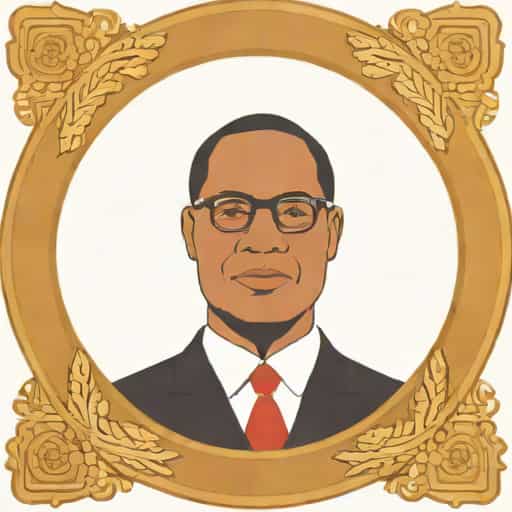
Joshua Nasir Farrakhan’s funeral drew attention across communities familiar with the Nation of Islam and those interested in public figures connected to civil rights and religious movements. Farrakhan, the son of Minister Louis Farrakhan and Mother Khadijah Farrakhan, passed away at age 64 after suffering a heart attack in November 2023. His life and funeral reflected both deep personal connections within his family and broader communal respect among those who knew him. The funeral, which included janazah prayers and a celebration of life service, was not only an opportunity to mourn his passing but also to remember his contributions to his father’s work and to his own family. It became an event that combined traditional Islamic funeral rituals with personal testimonials, reflections on service, and communal support for the grieving Farrakhan family.
Life and Legacy of Joshua Farrakhan
Joshua Nasir Farrakhan was known to many as Brother Josh, a devoted son and helper in the ministry of his father, the Honorable Minister Louis Farrakhan. He was born into a family deeply rooted in the Nation of Islam’s leadership and served in roles that supported his father’s mission to rebuild and sustain the organization’s activities and outreach. Over the years, he became respected for his loyalty, dedication, and willingness to help with organizational efforts. He was a presence alongside his father from early moments of renewed ministry in the 1970s, often remembered for his faith and his supportive role within the broader community.
In addition to his work within the Nation of Islam, Farrakhan was a family man. He married Sister Marie Muhammad, daughter of the Most Honorable Elijah Muhammad and Mother Evelyn Muhammad, and together they had six children. He was preceded in death by his daughter Melia and his brother Louis Farrakhan Jr., and he is survived by his parents, multiple children, grandchildren, and extended family members. His passing left a profound impact on those close to him and on others who respected his quiet service.
Funeral Service and Observances
The funeral service for Joshua Farrakhan was held with deep respect for Islamic tradition and the customs of the Nation of Islam. Known as a janazah service in Islamic practice, the gathering emphasized prayer, reflection, and remembrance of his life. Rather than being solely solemn, the service was described by attendees as a celebration of life – a moment to honor Farrakhan’s character, contributions, and the many relationships he had formed over his lifetime. Friends, family members, community leaders, and adherents gathered to pay tribute, pray, and support one another through the shared experience of loss.
Rituals and Traditions
Islamic janazah prayers were recited in Arabic during the service, a key component of Muslim funerals that involves the community offering supplications for the deceased. This ritual is intended to seek forgiveness and mercy for the departed and to express faith in God’s will. At the conclusion of the prayers, many of those present stood to give a final salute in front of the casket, honoring Farrakhan’s memory. The service was marked by testimonies about his kindness, generosity, and dedication to both family and faith.
Leadership and Community Presence
Because Joshua Farrakhan was closely associated with a prominent religious leader in his father, the funeral drew attention from various figures and community members. Dignitaries and wellknown supporters made appearances, underscoring the respect held for Farrakhan within the Nation of Islam and among allied communities. The funeral was also a chance for people from different regions to come together, reflecting the broad network of relationships that Joshua and his family cultivated over the years.
Reflections on Faith and Family
One of the central themes highlighted during the funeral was the role of faith in helping the Farrakhan family cope with loss. Student Minister Ishmael Muhammad shared reflections that emphasized the belief in God’s will and the importance of internal strength when confronting death. Islamic teaching played a significant role in shaping the tone of the service, offering a perspective in which life and death are part of a larger spiritual journey. Members of the family and community echoed this sentiment, expressing that while no one is fully prepared for death, faith provides grounding and peace in difficult moments.
During the service, ministers also shared personal memories and stories about Farrakhan’s life, underscoring traits such as loyalty, compassion, and a strong moral compass. By recalling these attributes, speakers highlighted how Farrakhan’s presence influenced those around him and how his legacy would continue through his children and grandchildren. Such reflections helped frame the funeral not just as an event of sorrow but also as a moment of gratitude for his life and impact.
Family Support and Future Generations
The gathering offered an opportunity for extended family members – including Farrakhan’s sons, daughters, grandchildren, nieces, and nephews – to come together in shared remembrance. Speakers at the funeral reminded attendees that Farrakhan’s legacy would live on in future generations. They encouraged his children and grandchildren to carry forward the values and lessons he embodied, and to keep faith and community at the center of their lives. This message echoed throughout the ceremony, reinforcing the idea that life’s work and character continue through those who remember and uphold them.
Burial and Final Honors
After the service at Mosque Maryam, the funeral procession continued to Pine Grove Cemetery in New Buffalo, Michigan, where Farrakhan was laid to rest. The journey to the cemetery was a long procession, nearly 62 miles, reflecting both logistical arrangements and the desire to honor Farrakhan with appropriate respect. Family members, including his father, were involved in final burial rites. Minister Farrakhan himself placed soil on the casket, a solemn gesture that holds deep cultural and religious meaning related to the human connection with the earth and divine will.
The burial marked the culmination of formal funeral rites, but it was also a moment of emotional closure for many who came to pay their respects. Attendees were encouraged to continue honoring Farrakhan’s memory through their actions and service, recognizing that life’s work extends beyond physical presence.
Understanding the Context
Funerals like that of Joshua Farrakhan are deeply personal events for families while also resonating more broadly within communities that share cultural, religious, or organizational ties. In this case, the intersection of family legacy, religious conviction, and communal respect shaped the way the funeral was conducted and remembered. Through prayers, shared stories, and public support, the service honored not only the individual life but also the values he represented.
The Role of Community Participation
Community involvement in a funeral – from recitations of prayers to presence alongside family members – can provide comfort to those grieving and reinforce shared values. In many traditions, funerals are occasions to reaffirm social bonds and collective beliefs, reminding attendees of life’s fragility and the importance of mutual support. Joshua Farrakhan’s funeral reflected these themes, as those present engaged in collective remembrance and support of the family.
The funeral of Joshua Nasir Farrakhan was a significant moment of personal mourning, cultural expression, and religious observance. It honored his life, work, and role within his family and community, while also reflecting broader themes of faith, resilience, and legacy. Through prayers, personal recollections, and final burial rites, family members and supporters paid tribute to a life that touched many. As funeral gatherings often do, this service offered a space for reflection, remembrance, and connection, providing both closure and ongoing inspiration for those who continue to remember Joshua Farrakhan’s contributions and values.