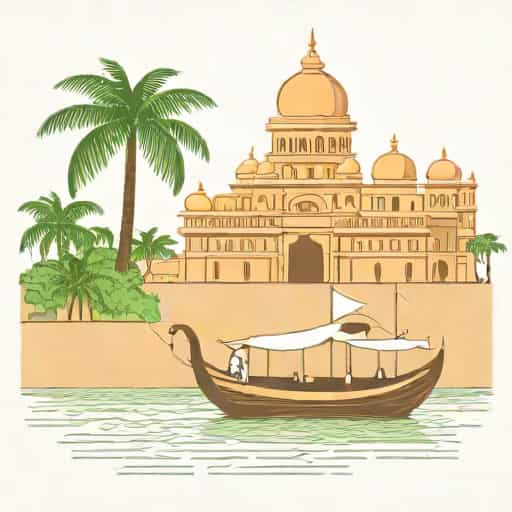
The regions of Konkan, Malabar, and Kathiawar represent three distinct cultural, geographical, and historical landscapes of India, each with its unique identity and significance. Spanning the western coast and the northwestern peninsula of India, these regions are rich in natural beauty, diverse traditions, and vibrant histories. Konkan, located along the western coast of Maharashtra, Goa, and parts of Karnataka, is known for its lush greenery, beaches, and coastal lifestyle. Malabar, covering the northern part of Kerala, is famed for its spices, backwaters, and centuries-old trade connections. Kathiawar, on the other hand, situated in the western state of Gujarat, is known for its arid landscapes, coastal towns, and rich mercantile history. Exploring these regions provides a fascinating insight into the varied cultural fabric of India, highlighting the interplay between geography, economy, and tradition.
Konkan Region
The Konkan region stretches along the western coastline of India, covering parts of Maharashtra, Goa, and Karnataka. Characterized by its narrow strip of coastal land, Konkan is flanked by the Arabian Sea on the west and the Western Ghats on the east. This geographical positioning gives the region a tropical climate with high rainfall, contributing to fertile soil and dense forests.
Culture and Lifestyle
Konkan is home to a diverse mix of communities, each with its own customs, festivals, and culinary traditions. The lifestyle here revolves around fishing, agriculture, and trade, heavily influenced by the proximity to the sea. Traditional Konkani cuisine is renowned for its use of coconut, rice, and fish, with dishes like fish curry rice and sol kadhi being staples. Festivals such as Ganesh Chaturthi and Diwali are celebrated with unique regional practices, reflecting the syncretic culture of the Konkan coast.
Tourism and Natural Beauty
Konkan’s natural beauty is a major draw for tourists. Its long coastline boasts pristine beaches like Ganpatipule, Alibaug, and Tarkarli, while the Western Ghats provide opportunities for trekking, bird watching, and exploring waterfalls. Forts, temples, and colonial-era architecture add historical depth to the scenic landscape, making Konkan a blend of natural and cultural heritage.
Malabar Region
Malabar, located in northern Kerala, is a region that has played a crucial role in India’s trade and cultural history. Historically known as the Malabar Coast, it has been a hub for the spice trade, attracting merchants from Arabia, Europe, and China. The region includes the districts of Kozhikode, Kannur, and Malappuram, and is characterized by coastal plains, rivers, and fertile lands suitable for agriculture.
Historical Significance
Malabar’s strategic location made it a focal point for trade and cultural exchange. Ancient ports like Kozhikode and Beypore were frequented by traders dealing in spices such as black pepper, cardamom, and cinnamon. The region witnessed the arrival of foreign traders, including Arabs, Chinese, and Europeans, who left a lasting impact on the local culture, architecture, and cuisine.
Culture and Cuisine
Malabar is known for its unique cultural identity, with a blend of Hindu, Muslim, and Christian traditions. Traditional art forms such as Theyyam and Oppana showcase the region’s rich performance heritage. Malabar cuisine, famous for its use of spices, coconut, and rice, features dishes like Malabar biryani, pathiri, and various seafood delicacies. The culinary traditions here reflect centuries of trade and cultural exchange, giving Malabar a distinct gastronomical identity.
Kathiawar Region
Kathiawar, located in the western state of Gujarat, is a peninsula bounded by the Arabian Sea. It encompasses the districts of Rajkot, Jamnagar, Junagadh, and Bhavnagar, and is characterized by its semi-arid climate, salt flats, and coastal plains. Kathiawar has a rich mercantile history, being home to trading communities that engaged in maritime commerce across the Arabian Sea.
Culture and Heritage
The Kathiawar region is notable for its diverse communities, including Rajputs, Kolis, and Jains, each contributing to the cultural mosaic. Traditional folk music, dance, and crafts are integral to daily life and festivals. Kathiawar is also famous for its architecture, including palaces, temples, and havelis, which reflect a blend of local and colonial influences. Festivals such as Navratri and Diwali are celebrated with traditional dances like Garba and Dandiya Raas.
Economy and Trade
Kathiawar’s economy historically revolved around trade, agriculture, and maritime activities. The region’s ports facilitated commerce with the Middle East and Africa, exporting salt, textiles, and handicrafts. Even today, Kathiawar retains its significance in trade and industry, with agriculture, salt production, and small-scale industries contributing to the local economy. The entrepreneurial spirit of Kathiawar’s communities has shaped the region’s identity and prosperity over centuries.
Comparative Overview
Though Konkan, Malabar, and Kathiawar differ in geography, climate, and culture, they share common elements as coastal regions with historical significance in trade and cultural exchange. Konkan and Malabar are lush and tropical, supporting rich biodiversity and agriculture, while Kathiawar is drier, with semi-arid landscapes and a strong mercantile tradition. Each region has contributed uniquely to India’s cultural and economic history, reflecting the adaptability and resilience of its people.
Tourism and Travel Opportunities
Travelers exploring these regions can experience a wide range of attractions
- Konkan Beaches, forts, waterfalls, and trekking in the Western Ghats.
- Malabar Spice plantations, backwaters, historical ports, and traditional art forms.
- Kathiawar Temples, palaces, wildlife sanctuaries, and coastal trade towns.
Each region offers distinct experiences, from serene natural landscapes to vibrant cultural and historical sites.
Konkan, Malabar, and Kathiawar together illustrate the rich diversity of India’s coastal and peninsular regions. Each area is unique in terms of geography, culture, history, and economy, yet all share a deep connection to the sea and trade. Konkan offers lush coastal landscapes and vibrant traditions, Malabar combines spice trade heritage with cultural richness, and Kathiawar reflects a semi-arid mercantile culture with historical significance. Exploring these regions provides a comprehensive understanding of India’s diversity, highlighting the interplay between natural environments, cultural practices, and economic development. For travelers, historians, and cultural enthusiasts, these regions offer a wealth of experiences that celebrate the depth and variety of India’s coastal heritage.