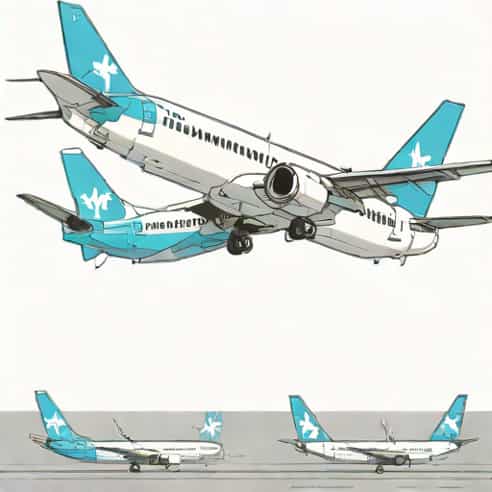
Korean Air, one of the largest airlines in South Korea, has incorporated the Boeing 737 MAX 8 into its fleet to enhance its domestic and regional operations. The 737 MAX 8 is part of Boeing’s next-generation narrow-body aircraft, designed for improved fuel efficiency, passenger comfort, and operational performance. Korean Air’s decision to operate this model reflects the airline’s commitment to modernizing its fleet and providing a reliable, safe, and efficient travel experience. Understanding the specifications, features, and operational impact of the Boeing 737 MAX 8 in Korean Air’s fleet provides valuable insight into contemporary aviation trends and airline strategies in Asia.
Overview of the Boeing 737 MAX 8
The Boeing 737 MAX 8 is a member of the 737 MAX family, which represents an upgrade from the previous 737 Next Generation (NG) series. It features new, more efficient engines, aerodynamic improvements, and advanced avionics. The aircraft is designed for short to medium-haul routes, making it ideal for airlines operating regional networks. With a seating capacity of around 162 to 210 passengers depending on the cabin layout, the 737 MAX 8 provides flexibility for both domestic and international flights.
Key Features of the Boeing 737 MAX 8
The 737 MAX 8 offers several advanced features that make it a popular choice for airlines like Korean Air
- Fuel EfficiencyEquipped with CFM International LEAP-1B engines, the aircraft achieves significant fuel savings compared to older models.
- Improved AerodynamicsThe addition of advanced winglets reduces drag and enhances overall flight performance.
- Enhanced Passenger ComfortThe cabin features larger overhead bins, improved seating layouts, and quieter engines for a more pleasant flying experience.
- Advanced AvionicsState-of-the-art flight control systems and cockpit technology improve safety and operational efficiency.
- Environmental PerformanceLower carbon emissions contribute to more sustainable aviation operations.
Korean Air’s Integration of the 737 MAX 8
Korean Air has gradually introduced the 737 MAX 8 into its fleet to replace older narrow-body aircraft and optimize route efficiency. The airline utilizes the MAX 8 primarily for domestic flights between South Korean cities and regional routes to nearby Asian destinations. This aircraft allows Korean Air to offer more frequent services with lower operational costs, supporting both passenger demand and profitability. The integration process includes pilot training, maintenance support, and adjustments to scheduling to maximize the aircraft’s capabilities.
Operational Advantages for Korean Air
Operating the 737 MAX 8 provides Korean Air with several strategic and operational benefits
- Reduced Operating CostsFuel-efficient engines and advanced aerodynamics lower fuel consumption and maintenance expenses.
- Increased Route FlexibilityThe aircraft can serve both high-demand domestic routes and regional destinations efficiently.
- Improved On-Time PerformanceModern avionics and reliable systems contribute to punctual flight operations.
- Passenger SatisfactionComfortable cabins and quieter flights enhance the overall passenger experience.
- Environmental ComplianceReduced emissions help Korean Air meet international environmental regulations.
Safety and Regulatory Considerations
The Boeing 737 MAX 8 faced global scrutiny following past incidents involving the aircraft. Korean Air, like other operators, adheres to stringent safety protocols and regulatory requirements to ensure safe operations. The airline collaborates closely with aviation authorities to comply with updated procedures, software enhancements, and pilot training requirements. These measures restore confidence in the aircraft’s safety and highlight Korean Air’s commitment to passenger security.
Training and Maintenance Programs
Pilot training and crew familiarization are essential components of operating the 737 MAX 8 safely. Korean Air implements comprehensive programs that include simulator sessions, aircraft-specific training, and recurrent evaluations. Maintenance teams also receive specialized instruction on new systems, ensuring the aircraft remains in optimal condition. Regular inspections, software updates, and adherence to manufacturer recommendations contribute to the long-term reliability of the MAX 8 in the airline’s fleet.
Passenger Experience on the 737 MAX 8
The Boeing 737 MAX 8 is designed to improve passenger comfort, a key consideration for Korean Air in its competitive market. Features aimed at enhancing the travel experience include
- Quieter cabin due to advanced engine design and noise-reducing technologies.
- Modern seating arrangements with ergonomic support and adjustable headrests.
- Enhanced in-flight entertainment options for longer regional flights.
- Improved air circulation and lighting systems to create a pleasant cabin environment.
- Efficient boarding and baggage handling due to redesigned doors and storage space.
Market Impact and Route Expansion
By operating the 737 MAX 8, Korean Air gains a competitive advantage in the regional aviation market. The aircraft allows the airline to expand flight frequencies, enter new regional markets, and adjust capacity based on demand. For business travelers and tourists alike, the MAX 8 provides an attractive option due to its reliability, comfort, and efficiency. The airline can also optimize costs and improve profitability on routes that were previously less viable with older aircraft models.
Comparison with Other Aircraft in Korean Air’s Fleet
Within Korean Air’s diverse fleet, the 737 MAX 8 complements other narrow-body and wide-body aircraft. Compared to older 737 models or A320 family aircraft, the MAX 8 offers better fuel efficiency, quieter operation, and enhanced passenger amenities. While wide-body aircraft like the Boeing 777 or Airbus A380 are used for long-haul international routes, the MAX 8 is ideal for short to medium-haul flights, balancing operational efficiency with passenger capacity.
Future Prospects
Korean Air’s adoption of the Boeing 737 MAX 8 is likely to continue as the airline modernizes its fleet and expands regional services. The aircraft aligns with global trends in sustainable aviation and cost-effective operations. As technology advances, future iterations of the 737 MAX may offer further improvements in fuel efficiency, environmental impact, and passenger experience, reinforcing Korean Air’s position as a leading carrier in Asia.
The Korean Air Boeing 737 MAX 8 represents a significant advancement in the airline’s fleet, combining operational efficiency, safety, and passenger comfort. By incorporating this next-generation aircraft, Korean Air strengthens its domestic and regional operations, reduces costs, and enhances the travel experience for passengers. With careful adherence to safety protocols, comprehensive pilot training, and effective maintenance programs, the MAX 8 operates reliably within Korean Air’s network. For travelers and industry observers, the integration of the Boeing 737 MAX 8 demonstrates how airlines can modernize their fleets while maintaining competitive advantage and meeting evolving market demands.