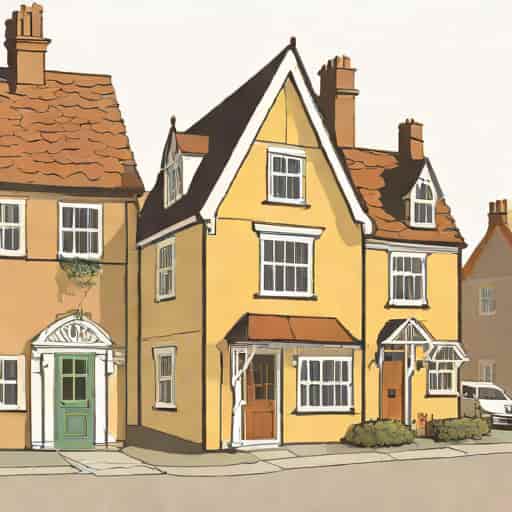
Lavenham Crooked House is one of the most charming and intriguing historic buildings in the village of Lavenham, Suffolk, England. Known for its strikingly tilted structure, this house captures the imagination of tourists, photographers, and history enthusiasts alike. Its unusual architecture and rich history make it a must-visit destination for anyone exploring the medieval villages of England. People often wonder why the house appears crooked, how old it is, and what stories it holds within its walls. The Crooked House is not only a remarkable example of timber-framed construction but also a window into the life and culture of Lavenham during its prosperous past. In this topic, we will explore the history, architecture, and significance of Lavenham Crooked House, providing a detailed look at one of Suffolk’s most famous landmarks.
History of Lavenham Crooked House
Lavenham Crooked House dates back several centuries, with its origins believed to be in the 15th or 16th century. During this period, Lavenham was a wealthy market town known for its thriving wool trade. The prosperity of the town allowed for the construction of many fine timber-framed houses, including the Crooked House. Over the years, the building has survived fires, changes in ownership, and various renovations, which have contributed to its current tilted appearance. The Crooked House has been preserved as a historic building and remains one of the most photographed landmarks in Lavenham.
Medieval Lavenham
To understand the significance of the Crooked House, it is important to consider the context of Lavenham during the medieval period. Lavenham was one of the wealthiest towns in England during the 15th century due to the wool trade. Many merchants built elaborate timber-framed houses to display their wealth, and these houses often featured overhanging upper floors, intricate carvings, and detailed facades. The Crooked House is a perfect example of this type of construction, showcasing the craftsmanship and architectural styles of the time.
Architecture and Design
The most striking feature of the Lavenham Crooked House is, of course, its crooked appearance. The house leans at an angle, giving it a whimsical and almost storybook-like quality. The tilt is not purely aesthetic; it is a result of settling foundations, age, and the natural movement of timber over centuries. Despite its leaning structure, the house remains stable and safe, attracting visitors who are fascinated by its unusual form.
Timber-Framed Construction
The Crooked House is a classic example of timber-framed construction. This method involves a wooden frame made of beams and posts, which is then filled with wattle and daub or brick. Timber-framed houses were common in medieval England, and Lavenham has some of the best-preserved examples. The beams of the Crooked House show signs of age, with natural warping contributing to the building’s tilted appearance. Its overhanging upper floors and exposed wooden beams are characteristic features that make it an architectural treasure.
Interior Features
Inside the Crooked House, visitors can observe historic details such as wooden beams, low ceilings, and uneven floors, all of which add to its charm. The interior layout reflects traditional living spaces of the period, with small rooms and a cozy atmosphere. While the house has been renovated to some extent, care has been taken to preserve original features, allowing visitors to step back in time and imagine life in medieval Lavenham.
Significance and Tourism
Lavenham Crooked House has become a symbol of the village’s rich heritage and attracts tourists from around the world. Its unique appearance makes it one of the most photographed buildings in Suffolk, and it is often included in guided tours of Lavenham’s historic center. The house also contributes to the local economy, with nearby shops, cafes, and accommodations benefiting from the influx of visitors. For history enthusiasts, photographers, and casual tourists, the Crooked House offers a glimpse into England’s architectural past while providing a memorable visual experience.
Why Visitors Love the Crooked House
- Its unusual leaning structure, which sparks curiosity and fascination.
- Historical significance as part of Lavenham’s medieval wool trade prosperity.
- Charming timber-framed architecture that represents medieval craftsmanship.
- Opportunity to experience a building that has stood the test of time.
- Proximity to other historic buildings and attractions in Lavenham.
Preservation and Conservation
Preserving Lavenham Crooked House is important for maintaining the village’s historic character. Conservation efforts focus on stabilizing the structure, repairing damaged timber, and preventing further leaning without altering the house’s unique charm. Local authorities and heritage organizations work together to ensure that this iconic building remains accessible and safe for visitors. By maintaining the Crooked House, Lavenham continues to celebrate its medieval past while offering educational opportunities for those interested in architecture and history.
Challenges in Preservation
Maintaining a centuries-old timber-framed building comes with challenges. The natural settling of the timber and foundation shifts require careful monitoring. Weather conditions, such as rain and temperature fluctuations, can affect the wood, leading to potential decay or warping. Preservationists use traditional techniques combined with modern methods to ensure the house remains structurally sound while retaining its historic character.
Visiting the Lavenham Crooked House
For those planning a visit, the Crooked House is easy to access and is often included in walking tours of Lavenham. Visitors are encouraged to take time to explore both the exterior and interior, appreciating the details that make it unique. The house’s location in the heart of the village allows visitors to enjoy nearby attractions, including other medieval buildings, the Guildhall, and local shops selling traditional crafts. A visit to the Crooked House is not only an opportunity to see an unusual structure but also a chance to immerse oneself in the rich history of Lavenham.
Tips for Visitors
- Wear comfortable shoes as the village streets are cobbled and uneven.
- Bring a camera to capture the unique angles and details of the house.
- Consider joining a guided tour for deeper historical context.
- Visit nearby cafes and shops to experience the local culture.
- Check opening hours if planning to explore the interior of the house.
Lavenham Crooked House is more than just a leaning building; it is a testament to the village’s rich history, architectural ingenuity, and the charm of medieval England. Its timber-framed structure, tilted form, and historical significance make it a fascinating destination for visitors of all ages. Whether you are interested in architecture, history, or simply enjoy discovering unique and picturesque sites, the Crooked House offers a memorable experience. As one of Lavenham’s most photographed and celebrated landmarks, it continues to captivate the imagination of tourists and preserve the heritage of this remarkable English village.