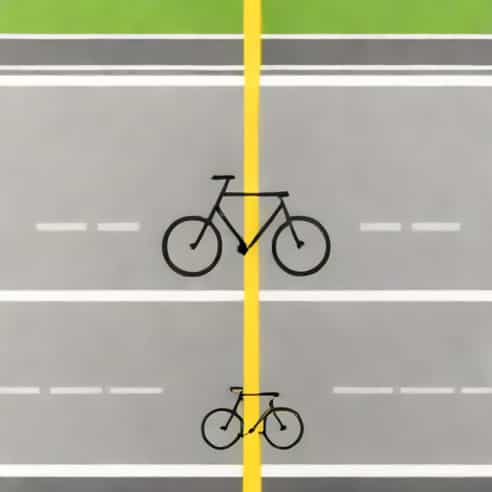
Overtaking on a bicycle lane is a common scenario faced by both cyclists and motorists, and understanding the rules and maximum safe distances is crucial for road safety. Bicycle lanes are specifically designed to provide a safe space for cyclists, but overtaking requires careful attention to speed, distance, and road conditions to avoid accidents. Determining the maximum distance required to overtake in a bicycle lane depends on factors such as the speed of the vehicles, the width of the lane, traffic regulations, and visibility. This topic explores safe overtaking practices, relevant laws, and guidelines for maintaining safety in bicycle lanes.
Understanding Bicycle Lanes
Bicycle lanes are designated sections of the road marked for the exclusive or shared use of cyclists. They are intended to separate cyclists from motorized traffic, reducing the risk of collisions. Proper use of bicycle lanes promotes safer travel for cyclists and smoother traffic flow for motorists. It is essential to understand the dynamics of these lanes to overtake safely and legally.
Types of Bicycle Lanes
- Exclusive Bicycle LanesLanes reserved solely for bicycles, often marked with painted lines or colored surfaces.
- Shared Bicycle LanesLanes shared with other vehicles, sometimes indicated with symbols such as sharrows.
- Protected Bicycle LanesLanes separated from traffic by barriers, curbs, or buffers, providing extra safety for cyclists.
Overtaking in Bicycle Lanes
Overtaking in bicycle lanes involves passing a cyclist safely while maintaining enough distance to prevent collisions. This maneuver requires understanding both legal regulations and practical considerations. Cyclists and motorists must be aware of proper spacing and the maximum safe distance to avoid accidents.
Factors Affecting Maximum Overtaking Distance
Several factors determine how much space is required to overtake safely in a bicycle lane
- Speed of Overtaking VehicleHigher speeds require greater distances to overtake safely, giving both drivers and cyclists time to react.
- Width of the LaneNarrow lanes may not allow for overtaking without entering adjacent traffic lanes. Wider lanes provide more room for safe passing.
- Traffic DensityIn busy areas, it may be necessary to wait until the lane is clear to overtake safely.
- VisibilityClear sightlines ahead are essential to ensure that overtaking can be done without risk from oncoming vehicles or obstacles.
- Weather and Road ConditionsWet, slippery, or uneven surfaces require extra caution and may increase the necessary overtaking distance.
Legal Guidelines for Overtaking Cyclists
Many countries and regions have specific traffic laws regulating how motorists must overtake cyclists in bicycle lanes. These laws are designed to protect cyclists while allowing motorists to pass safely. Failing to adhere to these rules can result in fines or legal liability in case of accidents.
Minimum Passing Distance
While exact requirements vary, most traffic regulations recommend maintaining a minimum passing distance of 1.5 meters (approximately 5 feet) when overtaking a cyclist on the road. In high-speed zones or narrow lanes, it may be necessary to increase this distance to maintain safety. Drivers are encouraged to move fully into an adjacent lane if available, rather than squeezing past a cyclist within the same lane.
Overtaking Procedures
- Assess the SituationCheck traffic, lane width, and speed before attempting to overtake.
- Signal IntentUse turn signals or hand gestures to indicate your intention to overtake.
- Maintain Safe DistanceKeep a buffer of at least 1.5 meters between your vehicle and the cyclist.
- Accelerate GraduallyPass the cyclist smoothly without sudden acceleration or braking.
- Return SafelyOnly return to your original lane after completely passing the cyclist and ensuring it is safe.
Practical Tips for Cyclists
Cyclists also play a role in safe overtaking. Being aware of traffic, using hand signals, and riding predictably can help motorists pass safely.
Stay Visible
Wearing reflective clothing and using lights during low visibility conditions ensures that motorists can see you well in advance, allowing for safer overtaking maneuvers.
Maintain a Straight Line
Riding in a predictable manner without sudden swerves helps motorists judge the appropriate overtaking distance accurately. Avoid weaving between parked cars or obstacles, especially when a vehicle is approaching from behind.
Communicate with Motorists
Using hand signals to indicate turns or lane changes provides clear information to drivers. Making eye contact when possible can also help ensure both parties understand each other’s intentions.
Importance of Safe Overtaking Distance
Maintaining a maximum safe overtaking distance in bicycle lanes is crucial for preventing accidents and injuries. Inadequate space can result in collisions, causing harm to both cyclists and drivers. Ensuring sufficient distance allows cyclists to remain stable and motorists to complete the maneuver safely. This principle is especially important in urban areas with heavy traffic and frequent lane changes.
Statistics and Safety Data
Research has shown that most accidents involving cyclists and motorists occur during overtaking maneuvers. Ensuring proper spacing, reducing speed when necessary, and providing adequate lane width significantly reduce the risk of accidents. Safe overtaking distances are an essential part of traffic safety campaigns worldwide.
Understanding the maximum distance required to overtake in bicycle lanes is essential for both cyclists and motorists. Safe overtaking involves maintaining a minimum buffer, assessing road conditions, signaling intent, and following traffic regulations. Cyclists should also ride predictably and remain visible to assist motorists in overtaking safely. By adhering to these practices, the risks of collisions and accidents can be significantly reduced. Proper education, awareness, and enforcement of traffic laws ensure that bicycle lanes remain safe for everyone, supporting a harmonious coexistence between cyclists and motorists on the road.