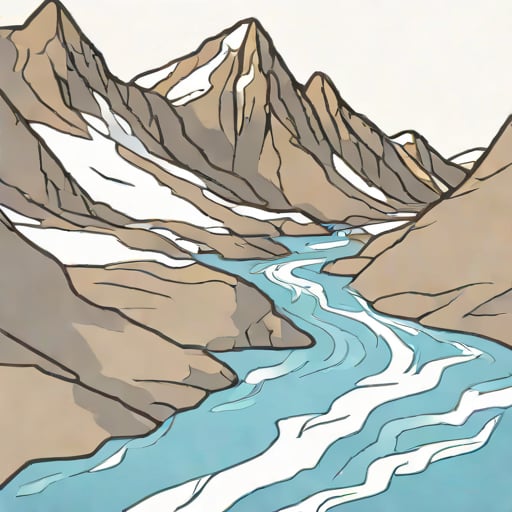
Moraine-dammed and ice-dammed lakes are fascinating features of glacial landscapes, formed by the natural interactions between ice, rock, and water. These lakes are typically created when glacial activity blocks the flow of rivers or streams, resulting in the accumulation of water behind natural barriers. Moraine-dammed lakes occur when debris left by a glacier, called a moraine, forms a natural dam, while ice-dammed lakes are formed when a glacier itself obstructs a valley or river, creating a temporary reservoir of meltwater. Both types of lakes play significant roles in shaping the environment, influencing local hydrology, and posing potential hazards due to sudden outburst floods. Understanding the formation, characteristics, and implications of moraine-dammed and ice-dammed lakes is crucial for geologists, hydrologists, and environmental planners who monitor glacial regions and assess the risks associated with glacial meltwater.
Moraine-Dammed Lakes
Moraine-dammed lakes form when a glacier deposits a large amount of rock, gravel, and sediment at its terminus or along its edges. These accumulations, called moraines, act as natural barriers that can trap meltwater and create a lake. The size and stability of a moraine-dammed lake depend on the composition of the moraine, the volume of water, and ongoing glacial processes. Such lakes are common in regions that have experienced extensive glaciation, including the Himalayas, the Alps, and the Andes.
Formation Process
- As glaciers advance and retreat, they erode the underlying rock and transport debris along their paths.
- The debris is deposited at the glacier’s snout, forming terminal or lateral moraines.
- When meltwater accumulates behind these moraines, a lake begins to form, often growing seasonally with increased melt.
- Over time, the lake may stabilize or continue to expand depending on the balance between water inflow and moraine erosion.
Characteristics
Moraine-dammed lakes typically have irregular shapes and variable depths. They are often surrounded by steep moraines and may contain floating icebergs calved from nearby glaciers. The water in these lakes is generally cold and can be turbid due to sediment input from glacial melt. Such lakes are dynamic and may change in size and shape from year to year, influenced by climatic conditions and glacial movement.
Ice-Dammed Lakes
Ice-dammed lakes occur when a glacier itself blocks the natural flow of a river or valley. Unlike moraine-dammed lakes, where sediment forms the barrier, ice-dammed lakes rely on the physical presence of ice to hold back water. These lakes are usually temporary, as the ice dam may weaken or melt, leading to sudden drainage. Ice-dammed lakes are most common in polar and high-altitude regions where glaciers remain active and thick enough to obstruct watercourses.
Formation Process
- Glacial ice moves into a valley or river channel, forming a barrier that traps meltwater upstream.
- The lake grows as more water accumulates, sometimes causing significant pressure against the ice dam.
- Temperature fluctuations, ice melting, or glacial movement can eventually destabilize the ice dam, leading to sudden drainage.
- These events can result in catastrophic glacial lake outburst floods, with major impacts downstream.
Characteristics
Ice-dammed lakes are often characterized by their rapid formation and potential for sudden release. They usually have clear, cold water and may appear deep relative to the surrounding landscape. Icebergs and floating ice chunks are common, especially when the glacier continues to calve into the lake. Because the dam is made of ice, these lakes are inherently less stable than moraine-dammed lakes and require careful monitoring to predict potential flooding events.
Comparing Moraine-Dammed and Ice-Dammed Lakes
While both types of glacial lakes form through the obstruction of natural water flow, they differ in terms of formation, stability, and hazards. Moraine-dammed lakes are typically more stable because the dam consists of solid debris, though they can still fail due to erosion or seismic activity. Ice-dammed lakes, on the other hand, are more prone to sudden outbursts because ice is less stable and melts or shifts with temperature changes. Both lake types provide valuable insights into glacial processes and climate change impacts, as their size, frequency, and behavior are influenced by glacial retreat and melting patterns.
Hazards and Risk Management
One of the primary concerns associated with moraine-dammed and ice-dammed lakes is the risk of glacial lake outburst floods (GLOFs). These floods can be highly destructive, causing loss of life, property damage, and disruption of downstream ecosystems. Monitoring programs often include satellite imagery, field surveys, and hydrological modeling to predict potential breaches. Engineering solutions such as controlled drainage channels, early warning systems, and reinforced moraine stabilization are sometimes implemented to reduce risk.
Environmental and Scientific Importance
These lakes are not only potential hazards but also valuable scientific resources. They provide unique habitats for cold-water species and act as indicators of climate change. Changes in lake size, sedimentation patterns, and water chemistry can reveal important information about glacial dynamics, regional climate trends, and hydrological cycles. Researchers study moraine-dammed and ice-dammed lakes to understand past glacial movements and to anticipate future environmental impacts as global temperatures rise.
Global Examples
- The Himalayas feature numerous moraine-dammed lakes, such as the famous Tsho Rolpa in Nepal, which has been closely monitored for GLOF risks.
- Alaska and Greenland have notable ice-dammed lakes that can drain rapidly, creating significant downstream floods.
- The Alps contain both types of lakes, often popular among tourists for their striking scenery and glacial origins.
Moraine-dammed and ice-dammed lakes are integral features of glacial landscapes, offering insights into the interactions between ice, water, and geology. While moraine-dammed lakes provide relative stability and long-term water storage, ice-dammed lakes demonstrate the dynamic and often unpredictable nature of glaciers. Both types of lakes carry environmental, scientific, and societal importance, highlighting the need for monitoring, research, and risk management. As climate change accelerates glacial melting, the study of these lakes becomes even more critical, helping communities and scientists anticipate hazards while appreciating the natural beauty and complexity of glacial environments.