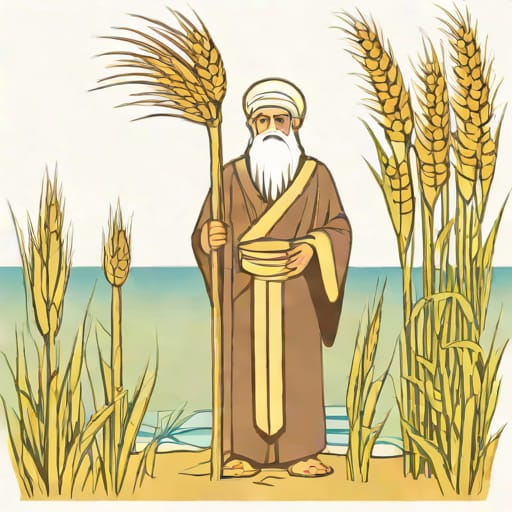
The story of Moses in the bulrushes is one of the most enduring and symbolic narratives from the Hebrew Bible, capturing themes of protection, divine intervention, and the early life of one of history’s most influential figures. Found in the book of Exodus, this tale recounts how the infant Moses was hidden among the reeds along the Nile River to protect him from Pharaoh’s decree that all Hebrew male infants be killed. This dramatic moment not only illustrates the perilous circumstances of the Israelites under Egyptian rule but also sets the stage for Moses’ later role as a prophet and leader who would guide his people to freedom. The image of Moses in the bulrush plant has resonated for centuries, inspiring religious reflection, art, literature, and educational discussions about courage, faith, and divine providence.
Historical Context of the Story
The story of Moses in the bulrushes is set during a period when the Israelites were enslaved in Egypt. According to biblical accounts, Pharaoh, fearing the growing number of Israelites, ordered that all newborn Hebrew boys be killed. In this climate of oppression, the mother of Moses took a bold and courageous step to save her child. She placed him in a small ark or basket and hid him among the bulrushes near the riverbank, trusting that divine protection would preserve his life. This historical backdrop is crucial for understanding the stakes and the bravery involved in Moses’ early survival.
Symbolism of the Bulrush Plant
The bulrush plant itself carries significant symbolism. Growing in the marshy banks of the Nile, bulrushes provide natural concealment, offering safety for Moses in a time of extreme danger. In a broader symbolic sense, the bulrush represents refuge, resilience, and the idea that even in harsh or threatening conditions, life can find a way to endure. The act of placing Moses among these plants highlights the interplay between human initiative and divine oversight, as his survival depended both on his mother’s ingenuity and on God’s providence.
The Role of Divine Intervention
In the narrative, divine intervention is a central theme. While Moses’ mother takes decisive action to protect him, it is ultimately God who orchestrates the events that lead to his rescue and upbringing in Pharaoh’s household. The story illustrates how human efforts and divine guidance can work together to achieve a greater purpose. The survival of Moses was not merely an accident; it was part of a larger plan that would eventually lead to the liberation of the Israelites and the giving of the Ten Commandments. This theme of divine protection resonates across religious teachings and has been a source of inspiration for countless believers.
Moses’ Rescue and Upbringing
After being hidden in the bulrushes, Moses was discovered by Pharaoh’s daughter, who saw the basket floating along the river. Moved by compassion, she took him in and raised him as her own son, providing him with an upbringing in the royal Egyptian household. This unusual path of survival and privilege positioned Moses uniquely to later confront Pharaoh and lead his people out of bondage. The story underscores themes of providence, destiny, and the unexpected ways in which life can unfold, highlighting the importance of courage, hope, and trust in higher powers.
Theological and Moral Lessons
The story of Moses in the bulrush plant carries profound theological and moral lessons. It emphasizes faith, obedience, and the power of courage in the face of danger. Moses’ mother displayed immense faith in God by taking the risk to save her child, trusting that her actions were aligned with divine will. The story teaches that even in situations of extreme peril, hope and faith can result in miraculous outcomes. Additionally, it underscores the importance of human responsibility, as God’s plan often requires active participation from individuals to come to fruition.
Applications in Religious Education
Religious educators often use the story of Moses in the bulrushes to teach children and adults about trust, moral courage, and the importance of protecting life. It serves as a vivid example of how acts of bravery and faith can influence history. Teachers may emphasize the symbolic aspects of the bulrush as a place of safety and growth, using the story to explore themes of divine care, human agency, and ethical decision-making. In many communities, this narrative is included in Sunday school lessons, sermons, and study groups, reinforcing its timeless spiritual relevance.
Artistic and Cultural Depictions
Throughout history, the image of Moses in the bulrush plant has been depicted in numerous forms of art, from classical paintings to modern illustrations. Artists often focus on the dramatic contrast between the vulnerability of the infant and the protective environment of the reeds, highlighting themes of divine intervention and human courage. Literature, music, and theater have also drawn upon this narrative, retelling Moses’ early story to explore broader themes of hope, survival, and leadership. These cultural depictions have helped to preserve and amplify the story across generations, making it an enduring part of both religious and artistic heritage.
Modern Interpretations
In modern times, the story of Moses in the bulrushes is sometimes interpreted metaphorically, representing resilience and protection in the face of societal threats. Scholars and spiritual leaders draw parallels between Moses’ survival and contemporary issues such as human rights, social justice, and the defense of the vulnerable. The narrative encourages reflection on how individuals and communities can take courageous actions to protect those at risk, emphasizing the relevance of ancient stories to modern ethical challenges.
The story of Moses in the bulrush plant is a powerful narrative that combines historical context, symbolism, and theological significance. It illustrates the remarkable ways in which human courage and divine guidance intersect, offering lessons in faith, resilience, and moral responsibility. From his mother’s daring act of placing him among the bulrushes to his rescue by Pharaoh’s daughter, Moses’ early life exemplifies hope, protection, and the unfolding of destiny. The bulrush plant itself serves as a symbol of refuge and survival, reminding us that even in difficult circumstances, life can endure and flourish. Whether studied for religious, educational, or cultural purposes, the story continues to inspire, teach, and resonate, making it an essential part of biblical history and a timeless example of the power of faith and providence.