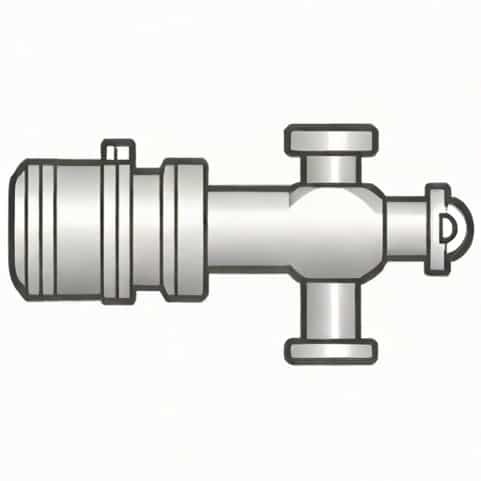
A natural gas bayonet fitting is a specialized connector used to safely and efficiently supply natural gas to appliances such as heaters, cooktops, grills, and commercial kitchen equipment. While it may appear simple at first glance, this fitting plays a critical role in gas safety, convenience, and system reliability. Designed for quick connection and disconnection, the bayonet fitting allows appliances to be moved or serviced without shutting down the entire gas line. Its practical design has made it a common choice in residential, commercial, and industrial gas installations.
Understanding the Natural Gas Bayonet Fitting
A natural gas bayonet fitting consists of two main components a socket connected to the gas supply line and a plug attached to the appliance hose. The plug is inserted into the socket and twisted to lock into place, creating a secure gas-tight seal. This twist-and-lock mechanism is where the term bayonet comes from, as it resembles the action used to attach a bayonet to a rifle.
Basic Design and Structure
The fitting is typically made from durable metal such as brass or stainless steel, chosen for strength, corrosion resistance, and compatibility with natural gas. Inside the socket, a spring-loaded valve automatically closes when the plug is removed, stopping gas flow instantly. This internal valve is a key safety feature that helps prevent leaks when appliances are disconnected.
How a Bayonet Fitting Works
The operation of a natural gas bayonet fitting is straightforward, which contributes to its popularity. To connect an appliance, the user pushes the plug into the socket and twists it until it locks. This action opens the internal valve, allowing gas to flow. When disconnecting, the plug is twisted in the opposite direction and pulled out, causing the valve to close automatically.
Automatic Shut-Off Mechanism
The automatic shut-off feature is one of the most important advantages of a bayonet fitting. Unlike threaded connections that may continue releasing gas if not properly capped, the bayonet socket seals itself immediately upon disconnection. This design reduces the risk of accidental gas leaks and improves overall system safety.
Common Applications of Natural Gas Bayonet Fittings
Natural gas bayonet fittings are widely used in settings where flexibility and safety are important. They are especially common in homes and businesses where appliances may need to be moved for cleaning, maintenance, or seasonal storage.
Residential Use
In residential environments, bayonet fittings are often found behind gas heaters, stoves, or indoor grills. Homeowners appreciate the ability to disconnect appliances easily without calling a technician. This convenience is particularly useful in smaller spaces where appliances may need to be repositioned.
Commercial and Industrial Use
In commercial kitchens, restaurants, and workshops, natural gas bayonet fittings are highly valued. Equipment can be swapped out quickly, reducing downtime. Industrial applications may also use larger bayonet fittings designed to handle higher gas flow rates while maintaining the same quick-connect principles.
Safety Advantages of Bayonet Fittings
Safety is a major reason why bayonet fittings are chosen for natural gas systems. Their design minimizes the chances of improper connections and accidental gas release.
Reduced Leak Risk
The internal valve system ensures that gas only flows when a proper connection is made. If the appliance hose is removed, the valve seals automatically. This reduces the likelihood of unnoticed leaks that could occur with traditional open-ended fittings.
Secure Locking Action
The twist-lock mechanism provides a clear indication that the connection is secure. Users can feel and sometimes hear a slight click when the fitting locks into place, offering reassurance that the gas supply is properly engaged.
Installation Considerations
While bayonet fittings are user-friendly, proper installation is essential. The socket must be securely connected to the gas supply line and positioned correctly to allow easy access. In many regions, installation must comply with local gas safety regulations and may require a licensed professional.
Correct Sizing and Compatibility
Natural gas bayonet fittings come in different sizes and flow ratings. Choosing the correct size ensures adequate gas supply to the appliance and prevents pressure issues. Compatibility between the fitting, hose, and appliance is critical for safe operation.
Maintenance and Inspection
Regular inspection of bayonet fittings helps maintain safety and performance. Although they are designed to be durable, wear and tear can occur over time, especially in high-use environments.
Signs of Wear
Users should look for signs such as difficulty twisting the plug, visible corrosion, or a loose connection. Any unusual gas smell near the fitting should be addressed immediately by disconnecting the appliance and having the fitting inspected.
Advantages Compared to Traditional Gas Connections
Natural gas bayonet fittings offer several benefits over threaded or fixed gas connections. These advantages explain why they are increasingly used in modern installations.
- Quick and easy connection and disconnection
- Automatic shut-off for improved safety
- No tools required for routine use
- Ideal for movable or portable appliances
- Reduced risk of cross-threading or improper sealing
Limitations and Considerations
Despite their advantages, bayonet fittings are not suitable for every situation. They are generally intended for low to medium pressure natural gas systems and may not be appropriate for high-pressure industrial applications without specialized designs.
Location Restrictions
In some regions, building codes may restrict where bayonet fittings can be installed, particularly in enclosed or poorly ventilated spaces. Understanding local regulations is important before choosing this type of fitting.
Role in Modern Gas System Design
As homes and businesses place greater emphasis on safety and flexibility, natural gas bayonet fittings have become a practical solution. Their design aligns with modern expectations for easy maintenance and user-friendly operation while maintaining high safety standards.
Integration with Modern Appliances
Many modern gas appliances are designed with bayonet-compatible hoses, making installation faster and more convenient. This integration reflects a broader trend toward modular and adaptable gas system components.
Environmental and Efficiency Considerations
While the fitting itself does not directly affect gas consumption, its secure seal helps prevent small leaks that can lead to wasted energy. Over time, this contributes to better efficiency and reduced environmental impact.
A natural gas bayonet fitting is a small but essential component in many gas systems. Its simple twist-lock design, automatic shut-off valve, and ease of use make it a reliable choice for both residential and commercial applications. By improving safety, convenience, and flexibility, bayonet fittings support modern gas usage without compromising reliability. Understanding how they work, where they are best used, and how to maintain them helps ensure a safe and efficient gas supply for everyday needs.