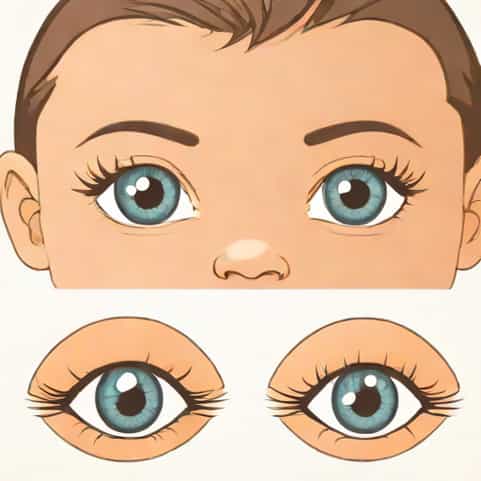
Many new parents notice that their newborns sometimes have puffy or swollen eyes, and this can be a cause for concern. Puffy eyes in newborns are usually a common occurrence, but parents naturally wonder how long the swelling will last and whether it indicates a more serious problem. Understanding the causes, expected duration, and ways to support your baby’s comfort can help ease worries. While most cases of newborn puffy eyes are temporary, it is important to recognize signs that may require medical attention.
Common Causes of Newborn Puffy Eyes
Puffy eyes in newborns can result from a variety of factors, ranging from natural physiological changes to environmental influences. Knowing the cause helps determine whether the swelling is temporary or requires intervention.
Fluid Retention at Birth
During labor and delivery, a newborn may retain extra fluid, especially if labor was prolonged or involved significant stress. This can cause temporary puffiness around the eyes. Typically, this swelling decreases within the first few days of life as the baby adjusts to life outside the womb.
Birth Trauma
Sometimes, pressure during birth can cause minor swelling or bruising around a newborn’s eyes. This is more common in babies delivered via assisted methods, such as forceps or vacuum extraction. The puffiness usually resolves naturally within a week or two.
Blocked Tear Ducts
Blocked tear ducts are another frequent cause of puffy eyes in newborns. If the tear duct is obstructed, fluid can accumulate, leading to mild swelling. This condition often improves with gentle massage and may resolve within a few weeks to months.
Allergic Reactions
Although less common in newborns, mild allergic reactions can sometimes lead to swelling around the eyes. Environmental factors, detergents, or skin products used on the baby may trigger temporary puffiness. Removing the irritant usually improves the condition quickly.
Expected Duration of Puffiness
Most newborn puffy eyes are temporary and resolve naturally. Understanding the typical timeline can help parents know when to seek reassurance or medical advice.
First Few Days
Swelling caused by birth trauma or fluid retention often peaks immediately after birth and gradually diminishes within two to three days. Parents can observe the baby’s eyes becoming less puffy as the fluid redistributes and the newborn’s circulation adjusts.
One to Two Weeks
For cases related to mild birth trauma or minor bruising, puffiness may persist up to a week or two. The discoloration and swelling generally fade as the skin heals and the body metabolizes residual fluids.
Blocked Tear Ducts
If the puffy eyes are caused by blocked tear ducts, the swelling may last longer. Gentle massage along the tear duct can help clear the obstruction. In many cases, the condition resolves within a few weeks, but some babies may need monitoring for several months before complete improvement.
Signs That Require Medical Attention
While most cases of newborn puffy eyes are harmless, parents should be aware of warning signs that indicate the need for medical evaluation.
- Redness, warmth, or pus around the eyes
- Excessive tearing or discharge that does not improve
- Persistent swelling beyond a few weeks without improvement
- Changes in the baby’s behavior, such as irritability or feeding difficulties
- Any sign of infection or systemic illness
Eye Infections
Newborns are susceptible to eye infections, which can present as swelling, redness, or discharge. If an infection is suspected, prompt medical attention is necessary to prevent complications.
Congenital Conditions
In rare cases, persistent puffiness may be related to congenital conditions affecting the eyes or tear ducts. A pediatrician or pediatric ophthalmologist can provide appropriate evaluation and guidance.
Supporting Your Newborn’s Comfort
Even when the puffiness is harmless, parents can take simple steps to support their newborn’s comfort and promote faster resolution.
Gentle Cleaning
Using a soft, damp cloth, gently wipe the baby’s eyes to remove any debris or discharge. This can prevent irritation and reduce the risk of infection.
Proper Positioning
Keeping the baby’s head slightly elevated during sleep can help fluid drain more effectively from the face, potentially reducing puffiness faster.
Gentle Massage for Tear Ducts
If a blocked tear duct is suspected, gentle massage along the side of the nose toward the inner corner of the eye can encourage fluid drainage. Always follow pediatrician instructions for proper technique and frequency.
When to Follow Up
Parents should monitor the baby’s eyes regularly. If swelling persists beyond the expected duration or is accompanied by any concerning symptoms, it is important to consult a healthcare provider. Routine pediatric checkups often include an eye examination to ensure normal development and detect any issues early.
Regular Pediatric Visits
Most newborns are seen by a pediatrician within a few days of birth and again at two weeks. These visits provide an opportunity to discuss any ongoing eye puffiness and receive professional guidance.
Pediatric Ophthalmologist
For persistent cases, especially if there is discharge, redness, or impaired vision, a referral to a pediatric ophthalmologist may be recommended. Specialists can provide targeted treatments or monitor for conditions requiring intervention.
Newborn puffy eyes are generally a temporary and harmless condition, often related to birth trauma, fluid retention, or blocked tear ducts. Most cases resolve within a few days to a few weeks. Gentle care, monitoring, and maintaining proper hygiene can help support the baby’s comfort and promote natural healing. However, parents should remain vigilant for signs of infection, prolonged swelling, or other concerning symptoms, and seek medical advice when necessary. Understanding how long newborn puffy eyes typically last and how to manage them can help parents feel more confident and informed while caring for their newborn.