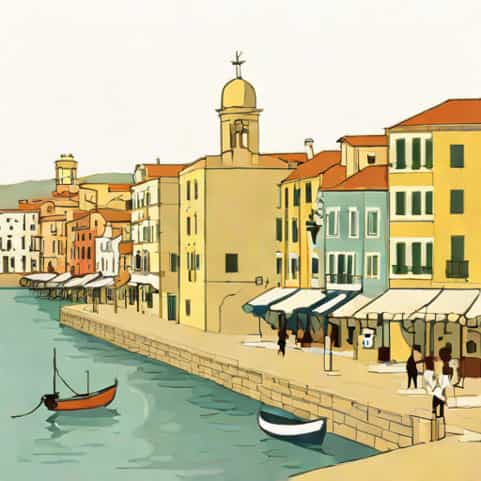
The old Venetian port of Chania, located on the northwest coast of Crete, Greece, stands as a vivid testament to centuries of maritime history and cultural fusion. Known for its picturesque harbor, charming alleys, and historic architecture, this port has been a focal point for trade, defense, and cultural exchange since its establishment during the Venetian rule in the 13th century. Walking along the waterfront today, visitors can sense the layers of history embedded in every stone, from the fortified walls to the elegant lighthouse, reflecting Chania’s evolution as a strategic and cultural hub in the Mediterranean.
Historical Background of the Venetian Port
The Venetian period in Crete lasted from 1204 to 1669, during which time Venice sought to strengthen its maritime empire and secure key trade routes in the eastern Mediterranean. Chania, with its natural harbor, became an essential center for commerce, shipbuilding, and naval defense. The Venetians constructed extensive fortifications, warehouses, and administrative buildings that shaped the urban layout of the city and established the port as a focal point of economic and military activity.
Construction and Architectural Features
The architecture of the old Venetian port reflects both functionality and aesthetic appeal. The harbor itself was expanded and reinforced with stone quays, allowing large ships to dock safely. The iconic Venetian lighthouse, standing at the entrance of the port, exemplifies the Renaissance influence on maritime structures, combining defensive and navigational purposes. Narrow streets and alleyways surrounding the harbor were designed to facilitate trade and communication while providing a labyrinthine defense against potential invaders.
Role of the Port in Trade and Commerce
During the Venetian era, Chania’s port was a bustling hub for trade, connecting Crete with Venice, the eastern Mediterranean, and beyond. Merchants imported luxury goods such as spices, silk, and wine, while local products like olive oil, wheat, and pottery were exported. The port’s strategic location allowed Venice to control maritime routes and establish Chania as a key node in its economic network, ensuring the prosperity of both the city and the Venetian Empire.
Economic Impact on Chania
The establishment of the Venetian port transformed Chania into a thriving urban center. Warehouses and merchant houses lined the waterfront, reflecting the wealth and influence of traders. The port also stimulated ancillary industries, including shipbuilding, crafts, and marketplaces, creating a diverse economy that supported a growing population. Venetian administrative practices introduced tax collection, trade regulations, and legal frameworks, further enhancing the port’s role as an economic powerhouse in Crete.
Military Significance and Defense
The Venetian port of Chania was not only a commercial hub but also a strategic military outpost. Its fortifications, including bastions, walls, and the lighthouse, were designed to withstand attacks from pirates, Ottoman forces, and rival European powers. The harbor could accommodate warships, allowing Venice to project power across the Mediterranean and protect its valuable trade networks. Military architecture was carefully integrated with the urban fabric, creating a fortified city that balanced defense with daily life.
Venetian Fortifications
The fortifications around the port were sophisticated for their time, incorporating bastions, ramparts, and sea walls. The Firkas Fortress, located at the western edge of the harbor, served as a key defensive stronghold and now houses a maritime museum that documents the port’s history. These structures not only ensured the security of the city but also reflected the Venetians’ advanced engineering and strategic planning, making Chania a formidable stronghold in the eastern Mediterranean.
Cultural and Architectural Legacy
The Venetian influence is still evident in Chania’s urban landscape, with its blend of Renaissance, Gothic, and local Cretan architectural elements. The waterfront buildings, narrow streets, and public squares bear the imprint of centuries-old design principles that prioritized both function and beauty. Many of the port’s original structures have been preserved, allowing visitors to experience the historical atmosphere and appreciate the artistic and engineering achievements of the Venetian era.
Integration with Ottoman and Modern Influences
Following the Ottoman conquest in 1669, the port retained much of its Venetian character while incorporating Ottoman architectural and cultural elements. This fusion is visible in the mosques, fountains, and residential buildings around the harbor. Today, modern interventions, including cafes, shops, and tourist facilities, have been integrated thoughtfully to maintain the historic charm while catering to contemporary needs, ensuring that the port remains a vibrant and functional space.
Tourism and Contemporary Importance
The old Venetian port of Chania has become one of Crete’s most visited landmarks, attracting tourists with its scenic views, historic buildings, and cultural activities. Visitors can stroll along the waterfront, explore the Firkas Fortress, enjoy local cuisine in seaside tavernas, or take boat trips to nearby beaches and islands. The port’s historical significance, combined with its aesthetic appeal, makes it an essential destination for those interested in history, architecture, and Mediterranean culture.
Activities and Attractions
- Exploring the Venetian lighthouse and enjoying panoramic harbor views
- Visiting the Firkas Fortress and maritime museum
- Walking through cobbled streets and historic marketplaces
- Dining in waterfront restaurants serving traditional Cretan cuisine
- Participating in cultural events, festivals, and local crafts exhibitions
- Taking boat tours to nearby beaches, islands, and scenic coastal spots
Preservation and Conservation Efforts
Maintaining the old Venetian port of Chania is a priority for both local authorities and heritage organizations. Conservation projects focus on structural stabilization, restoration of historic buildings, and protection of the waterfront from environmental damage. These efforts aim to preserve the port’s historical integrity while accommodating tourism and community use, ensuring that the site remains both an educational resource and a vibrant public space.
Challenges in Preservation
Preserving the port requires balancing modern development with historical authenticity. Challenges include environmental factors such as sea erosion, the impact of heavy tourist traffic, and the need for modern amenities without compromising historical aesthetics. Continuous monitoring, adaptive restoration techniques, and community involvement are essential to address these challenges effectively and safeguard the port for future generations.
The old Venetian port of Chania represents a remarkable intersection of history, culture, and maritime heritage. From its origins as a strategic and commercial hub during Venetian rule to its present status as a vibrant tourist destination, the port has continuously shaped and reflected the life of the city. Its fortifications, architecture, and urban layout tell the story of centuries of human activity, trade, and cultural exchange. Today, the port stands as a symbol of Chania’s rich past and dynamic present, offering visitors an immersive experience that combines history, beauty, and Mediterranean charm. Through careful preservation and thoughtful integration of modern amenities, the old Venetian port of Chania continues to thrive, ensuring that its historical and cultural legacy remains accessible and engaging for generations to come.