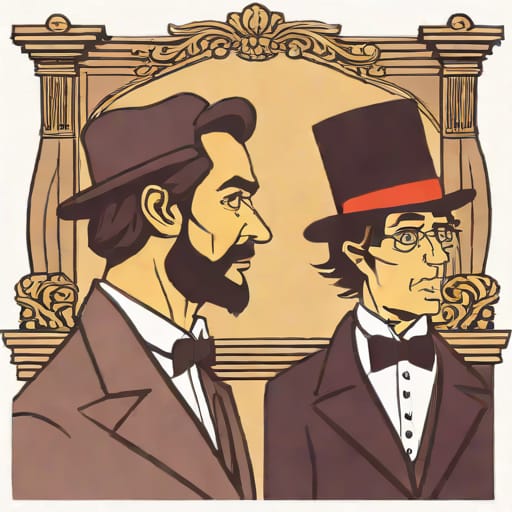
The story of Jekyll and Hyde is one of the most enduring tales in literature, exploring the duality of human nature and the struggle between good and evil within a single individual. Written by Robert Louis Stevenson in the late 19th century, this novella delves into the psychological and moral conflicts of Dr. Henry Jekyll, a respected scientist, who creates a potion to separate his virtuous side from his darker impulses. The transformation into Mr. Edward Hyde allows him to indulge in immoral actions without consequence, revealing the dangerous and uncontrollable aspects of human desires. The phrase once upon a time evokes the classic storytelling tradition, framing the narrative as both a cautionary tale and a study of the complexities of the human psyche, which continues to captivate readers and inspire adaptations across multiple media.
Background of the Story
Strange Case of Dr Jekyll and Mr Hyde was published in 1886, during a period of rapid scientific discovery and social change. Stevenson’s work reflects contemporary anxieties about the limits of scientific exploration, the nature of morality, and the hidden vices lurking beneath respectable appearances. The novella is set in Victorian London, a city portrayed as both civilized and corrupt, providing a fitting backdrop for the exploration of Jekyll’s dual existence. The story’s tension lies in the contrast between the public persona of Dr. Jekyll, a respected doctor and gentleman, and the sinister, uninhibited behavior of Mr. Hyde.
The Duality of Human Nature
Central to the narrative is the theme of duality, representing the struggle between moral responsibility and repressed desires. Dr. Jekyll embodies the socially acceptable, ethical aspect of human nature, while Mr. Hyde represents the darker, more primal instincts. By creating a chemical means to separate these identities, Jekyll attempts to reconcile his inner conflict, but ultimately discovers that his darker side cannot be fully controlled. This duality serves as a metaphor for the complexity of human morality and the danger of attempting to suppress or deny one’s darker impulses rather than confronting them.
Dr. Jekyll’s Transformation
Dr. Jekyll’s experiments with his transformative potion highlight both his curiosity and his hubris. The initial thrill of separating his personalities allows him to explore desires he would normally repress. However, the transformation into Mr. Hyde gradually consumes Jekyll, illustrating the uncontrollable nature of repressed evil. Stevenson uses this transformation to explore questions about identity, personal responsibility, and the consequences of moral compromise. Jekyll’s downfall serves as a warning against the dangers of unchecked experimentation and the ethical dilemmas inherent in scientific advancement.
Mr. Hyde and the Embodiment of Evil
Mr. Hyde serves as the embodiment of unchecked immorality, brutality, and selfishness. In contrast to Jekyll’s refined and cultured demeanor, Hyde is described as physically smaller, deformed, and repulsive, symbolizing the corruption and perversion of the human soul when freed from ethical constraints. Hyde’s actions, including acts of violence and cruelty, shock the Victorian society in which the story is set, emphasizing the dangers of repressing one’s inner vices without understanding or integrating them. Through Hyde, Stevenson critiques the notion of absolute moral control and the illusion of perfect respectability.
Psychological Implications
The story of Jekyll and Hyde can also be interpreted through a psychological lens, representing the human struggle with identity, self-control, and the unconscious mind. The novella anticipates later theories of psychology, exploring how suppressed desires can manifest in destructive ways if left unexamined. Jekyll’s inability to manage Hyde’s influence demonstrates the tension between the conscious self and the shadow self, a concept that continues to resonate in modern discussions of human behavior and mental health.
Victorian Society and Moral Commentary
Set against the backdrop of Victorian London, the story reflects societal concerns about reputation, propriety, and hidden vice. Publicly, Dr. Jekyll is a respected figure, yet privately, he indulges in morally reprehensible behavior as Hyde. Stevenson uses this contrast to critique social hypocrisy and the pressures to maintain appearances. The novella suggests that suppressing natural impulses in favor of social respectability may not eliminate immorality but instead drive it underground, where it becomes more dangerous and uncontrollable.
Legacy and Influence
The story of Jekyll and Hyde has had a profound and lasting impact on literature, psychology, and popular culture. It introduced the archetype of the dual personality, influencing countless works exploring human duality, moral ambiguity, and the dark side of human nature. The phrase Jekyll and Hyde has entered common language to describe individuals who display wildly contrasting behaviors, highlighting the story’s enduring cultural relevance.
Adaptations and Media
Since its publication, Jekyll and Hyde has been adapted into numerous films, television shows, stage productions, and even musical performances. These adaptations explore different aspects of the story, from horror and suspense to psychological drama, demonstrating the flexibility and universal appeal of Stevenson’s themes. Each retelling emphasizes the central conflict of duality and the consequences of unchecked desires, keeping the story relevant for new generations.
Educational and Literary Significance
The novella is widely studied in schools and universities for its rich thematic content, narrative structure, and exploration of morality. Its use of suspense, foreshadowing, and character development offers valuable lessons in literary analysis, while the psychological and ethical themes invite discussion about human nature, identity, and social norms. Once upon a time, Jekyll and Hyde serves not only as a captivating story but also as an entry point into deeper reflections on morality, psychology, and the complexities of human behavior.
Key Themes and Lessons
- Duality of Human NatureThe coexistence of good and evil within individuals and the challenges of reconciling these aspects.
- Moral ResponsibilityThe consequences of indulging in unethical behavior and attempting to escape accountability.
- Scientific EthicsThe dangers of experimenting without considering ethical implications or potential harm.
- Social HypocrisyThe pressures of maintaining outward respectability while concealing immoral actions.
- Psychological ExplorationUnderstanding how suppressed desires and unconscious impulses influence behavior.
Once upon a time, Jekyll and Hyde tells a story that transcends its Victorian setting, offering timeless insights into human nature, morality, and the struggle between good and evil. Stevenson’s novella explores the dangers of suppressing impulses, the ethical dilemmas of scientific experimentation, and the psychological complexity of identity. By presenting Dr. Jekyll and Mr. Hyde as two sides of the same person, the story challenges readers to reflect on their own moral choices and the hidden aspects of the self. Its enduring influence on literature, psychology, and popular culture underscores the universal relevance of its themes and the continuing fascination with the duality of human nature. The tale remains a powerful reminder of the delicate balance between morality and desire, offering lessons that resonate well beyond the page.