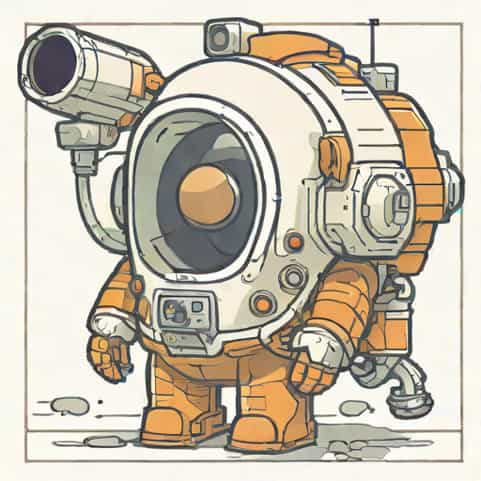
Managing rockets in Oxygen Not Included can feel overwhelming, especially for players who are just beginning to explore the late-game space system. The Solo Spacefarer Nosecone is often one of the first modules players experiment with, and although it is small, it plays a major role in early exploration, resource gathering, and unlocking future rocket designs. Understanding how this nosecone works, what it requires, and how to use it effectively can significantly improve your space missions and colony progression. With proper planning, even a compact rocket using this module can open paths to new asteroids and valuable materials.
Understanding the Solo Spacefarer Nosecone
The Solo Spacefarer Nosecone is a simple command module designed for a single duplicant. It offers limited space but contains everything required to command and navigate a basic rocket. Its compact design makes it perfect for early-game or mid-game missions where you want to scout nearby planetoids or gather small amounts of resources before committing to larger rockets.
Because of its tight interior, the Solo Spacefarer Nosecone requires efficient use of space and careful management of supplies. It includes built-in elements such as a command capsule and a minimal living area, but unlike larger nosecones, it doesn’t allow complex setup or additional comfort structures.
Requirements and Key Features
The Solo Spacefarer Nosecone must be attached to a rocket platform along with a compatible engine. It has strict limitations on size, weight, and interior layout. While it doesn’t provide luxury, it supplies everything needed for short missions, making it ideal for early exploration.
- Single-duplicant capacity
- Very limited interior space
- Compatible with small rocket engines
- Allows basic resource storage for travel
- Supports manual control of the rocket
Because of these limitations, planning is essential. Players must decide exactly what the duplicant will need to survive and succeed while in flight.
Preparing for a Mission
Launching a rocket with a Solo Spacefarer Nosecone requires preparation. Your duplicant will spend several cycles inside a tiny capsule, so ensuring that the interior is stocked efficiently makes the difference between a successful trip and a failed mission.
Selecting the Right Duplicant
The duplicant you send should be able to handle isolation, stress, and physical tasks. Piloting is not a formal skill in Oxygen Not Included, but having traits that reduce stress or improve efficiency can be a big help.
Good traits to consider include
- Low stress response
- Increased athletics
- Do-it-yourself or tidy traits
- Traits that reduce bathroom needs
Since the module offers no room for comfort structures, it is important to choose someone stable and capable of handling confinement.
Stocking Essential Supplies
Inside the Solo Spacefarer Nosecone, you only have room for small storage items. Food, oxygen, and morale all play a role in survival. A small algae terrarium or oxygen tank can sustain the interior atmosphere, while ration boxes or deep-frozen foods ensure your duplicant stays nourished.
Some players prefer to automate oxygen supply using canisters before launch, while others rely on oxylite due to its space-efficient design. Whichever method you choose, make sure the duplicant has enough resources to last the entire journey.
Interior Layout and Space Efficiency
The tiny interior of a Solo Spacefarer Nosecone forces careful planning. Only a few tiles are available, leaving little room for experimentation. There are only a few practical items that can fit inside, and each must be chosen with a purpose.
Items Commonly Placed Inside
- Ration box or refrigerator
- Small oxygen production source (optional)
- Bed or cot (if you are prioritizing duplicant comfort)
- Minimal storage for supplies
Because the module is meant for short missions, many players skip comfort items entirely. However, for longer flights or repeated missions, some comforts may improve duplicant endurance and morale.
Rocket Engines Compatible With the Nosecone
The Solo Spacefarer Nosecone pairs best with small engines like the Steam Engine or Sugar Engine. These engines do not require exotic fuels and are easy to maintain, making them ideal for colonies just stepping into space exploration.
Steam Engine
The Steam Engine is heavy and requires a large water tank, but it is beginner-friendly and allows a reasonable travel distance. When using this engine, weight management becomes important, and you must ensure your total rocket mass meets launch requirements.
Sugar Engine
The Sugar Engine is lighter and more fuel-efficient, using sucrose as its primary fuel. Many players prefer this engine because it is quick to set up and can take the Solo Spacefarer Nosecone to nearby asteroids rapidly.
How to Use the Nosecone for Exploration
Exploration is the main purpose of this nosecone. By launching the rocket toward undiscovered planetoids, you unlock map information, new resource types, and potential landing sites. Once a location is discovered, you can send future rockets either resource-gathering or colonization missions based on the scanned data.
The nosecone itself provides a great balance of simplicity and functionality. Because it requires minimal infrastructure, players can rush to space sooner than with larger rockets.
Scanning and Mapping Space
Even a single roundtrip mission can reveal critical map data. Each flight increases your access to
- Frozen asteroids
- Volcanic planetoids
- Resources like fullerene, niobium, and rare gases
- Landing points for future base expansions
This early knowledge significantly shapes your long-term colony strategy.
Managing Duplicant Needs During Flight
Inside the Solo Spacefarer Nosecone, space is extremely limited, making survival management a constant concern. Oxygen, food, stress, and sanitation must be controlled carefully.
Oxygen Management
Since the module is airtight, oxygen does not escape quickly. However, duplicants still consume a steady amount. Oxylite is a popular choice because it releases oxygen naturally without requiring power or machinery. If you use oxygen canisters, ensure enough pressure is stored before launch.
Food and Calories
The duplicant will need enough calories to last the full mission time. Foods that store well without refrigeration, such as field rations, are ideal. If using refrigerated food, ensure your rocket has the power and storage capacity to support it.
Stress and Recreation
Unfortunately, this module offers no recreation opportunities. Duplicants confined inside may accumulate stress, especially during longer missions. To reduce stress impact, choose a duplicant with calming traits or send them on shorter flights.
Returning and Unloading Resources
Upon returning from a mission, the rocket will land on your rocket platform. Unloading resources must be done manually unless you have automation systems in place. While the Solo Spacefarer Nosecone cannot carry much, even small amounts of rare materials can significantly improve research and technology development.
Advantages and Limitations
Using the Solo Spacefarer Nosecone comes with both strengths and weaknesses. Knowing them helps you plan when this module is appropriate in your colony’s progression.
Advantages
- Easy to build for early-game space exploration
- Low material requirements
- Simple to manage and maintain
- Compatible with lightweight engines
- Efficient for short scouting missions
Limitations
- Only supports one duplicant
- Extremely limited storage and interior space
- Not suitable for long missions
- No recreation, comfort, or bathroom facilities
Is the Solo Spacefarer Nosecone Worth Using?
For most players, the answer is yes especially in the early stages of space exploration. It gives you fast access to nearby asteroids, lets you gather basic resources, and helps you chart the star map. Even after building larger rockets, this small nosecone remains useful for quick missions or scouting duties.
While it lacks comfort and capacity, it excels at what it is designed for simple, efficient, single-duplicant exploration. With careful planning, the Solo Spacefarer Nosecone becomes a powerful tool for expanding your colony across the stars and unlocking the full depth of Oxygen Not Included’s late-game content.