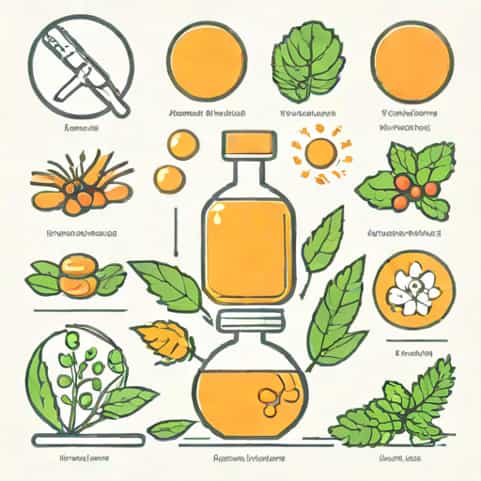
Quality control and standardization of herbal drugs are critical aspects of modern herbal medicine and pharmacognosy. As herbal remedies gain popularity worldwide, ensuring their safety, efficacy, and consistency has become a significant concern for healthcare professionals, researchers, and regulatory authorities. Herbal drugs contain complex mixtures of active compounds, and variations in cultivation, harvesting, processing, and storage can affect their chemical composition. Quality control practices, combined with rigorous standardization methods, help maintain uniformity, verify therapeutic potency, and minimize risks associated with adulteration, contamination, or misidentification. Comprehensive knowledge of these practices is essential for the safe integration of herbal medicines into mainstream healthcare.
Importance of Quality Control in Herbal Drugs
Quality control in herbal drugs involves systematic measures to ensure that the product meets predefined standards of identity, purity, strength, and composition. Unlike synthetic drugs, herbal products are inherently variable due to biological and environmental factors. Effective quality control is necessary to maintain patient safety, therapeutic efficacy, and regulatory compliance. Additionally, consistent quality supports scientific research, market credibility, and global trade of herbal products.
Ensuring Safety and Efficacy
Herbal drugs may contain potent bioactive compounds that can cause adverse reactions if not properly controlled. Quality control measures such as testing for heavy metals, pesticides, microbial contamination, and adulterants are essential to prevent toxicity. Moreover, verifying the concentration of active ingredients ensures therapeutic efficacy, as substandard products may fail to provide the intended health benefits. Comprehensive safety and efficacy testing builds trust among healthcare providers and patients.
Regulatory Compliance
Regulatory authorities worldwide, including the World Health Organization (WHO), the Food and Drug Administration (FDA), and European Medicines Agency (EMA), mandate quality standards for herbal drugs. Compliance with these regulations ensures legal distribution, international trade eligibility, and protection of public health. Quality control measures, including standardized testing protocols and documentation, facilitate adherence to these regulatory requirements.
Standardization of Herbal Drugs
Standardization refers to the process of ensuring uniformity and consistency in herbal drug products by establishing specific parameters for their chemical composition, biological activity, and therapeutic properties. Standardization minimizes batch-to-batch variability and ensures that patients receive a product with consistent quality and predictable therapeutic effects. It involves identification, quantification of bioactive constituents, and evaluation of physicochemical and biological properties.
Identification of Raw Materials
Proper identification of plant materials is the first step in standardization. This includes morphological, anatomical, and microscopic evaluation, as well as genetic and chemical fingerprinting techniques. Accurate identification prevents substitution or adulteration with incorrect species, which could compromise efficacy and safety. Standard reference materials and herbarium specimens are often used to confirm authenticity.
Quantification of Active Constituents
Quantifying the active constituents in herbal drugs is essential for standardization. Techniques such as High-Performance Liquid Chromatography (HPLC), Gas Chromatography (GC), Thin Layer Chromatography (TLC), and spectrophotometry are widely used to measure bioactive compounds. Establishing acceptable ranges for these constituents ensures that each batch contains consistent therapeutic potency.
Physicochemical and Biological Evaluation
Physicochemical parameters such as moisture content, ash values, extractive values, and pH are evaluated to assess quality. Biological assays may also be employed to determine pharmacological activity, such as antioxidant, antimicrobial, or anti-inflammatory effects. These evaluations ensure that herbal drugs meet standardized criteria for efficacy and safety.
Quality Control Parameters in Herbal Drugs
Quality control of herbal drugs encompasses multiple parameters, addressing both the raw material and the final product. These parameters include botanical, chemical, microbiological, and toxicological evaluations. Implementing a comprehensive quality control framework reduces the risk of substandard products and ensures consistency across different batches.
Botanical Evaluation
Botanical evaluation includes macroscopic and microscopic examination of plant parts to confirm identity. Macroscopic evaluation examines features such as color, size, texture, and odor, while microscopic evaluation analyzes cellular structures, trichomes, and stomata. Accurate botanical assessment ensures that only the correct plant species is used for medicinal purposes.
Chemical Analysis
Chemical analysis determines the concentration of bioactive compounds and identifies potential contaminants. Techniques such as HPLC, GC, TLC, and mass spectrometry are commonly employed. Chemical markers are often selected for standardization, ensuring that the herbal drug maintains consistent pharmacological activity.
Microbiological Testing
Microbiological quality control ensures that herbal drugs are free from pathogenic microorganisms, molds, and yeasts. Tests for total bacterial count, coliforms, and specific pathogens help prevent infections and spoilage. Good manufacturing practices (GMP) further support microbiological safety by maintaining hygienic processing and storage conditions.
Toxicological Evaluation
Toxicological assessment identifies potential hazards, including heavy metals, pesticide residues, and mycotoxins. Regular testing ensures that herbal drugs remain within safe limits for human consumption. This evaluation is critical for maintaining public confidence and complying with international safety standards.
Documentation and Standard Operating Procedures
Comprehensive documentation and standard operating procedures (SOPs) are integral to quality control and standardization. SOPs outline step-by-step protocols for raw material collection, processing, testing, and storage. Maintaining detailed records of batch production, analytical results, and quality checks ensures traceability, accountability, and regulatory compliance. Documentation also facilitates auditing, quality certification, and continuous improvement in manufacturing processes.
Batch Records and Traceability
Batch records provide detailed information on the source, processing, and testing of each lot of herbal drug. Traceability ensures that any issues can be tracked to specific raw materials, processes, or equipment. This systematic approach helps manufacturers identify and correct deviations, maintain consistent quality, and comply with regulatory requirements.
Standard Operating Procedures
SOPs define standardized methods for raw material handling, extraction, formulation, packaging, and testing. They ensure that every process is performed consistently and accurately, reducing variability and improving reliability. SOPs are essential for meeting Good Manufacturing Practices (GMP) and maintaining confidence in herbal drug quality.
Quality control and standardization of herbal drugs are essential for ensuring safety, efficacy, and consistency in herbal medicine. By combining botanical identification, chemical analysis, microbiological testing, and toxicological evaluation, manufacturers can maintain high standards for herbal products. Standardization ensures uniformity of active constituents, pharmacological activity, and therapeutic effects, while comprehensive documentation and SOPs support traceability and regulatory compliance. With the growing popularity of herbal medicines, implementing rigorous quality control and standardization protocols is critical for protecting public health, fostering confidence in herbal therapies, and integrating traditional remedies into modern healthcare. As research and technology advance, these practices will continue to evolve, further strengthening the reliability and acceptance of herbal drugs worldwide.