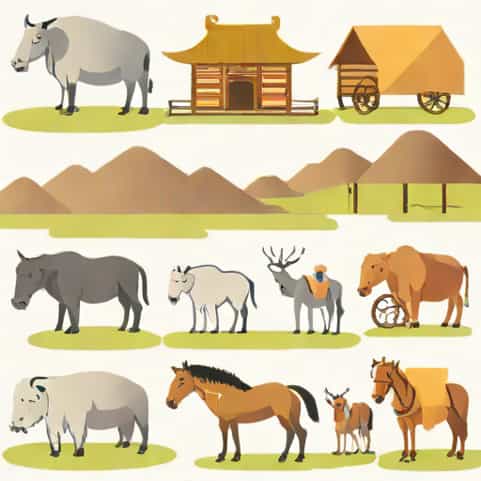
Mongolia, a vast landlocked country in Central Asia, offers a unique perspective on quality of life. Known for its sweeping steppes, nomadic traditions, and rapidly growing urban centers, Mongolia balances ancient customs with modern development. Quality of life in Mongolia cannot be understood by focusing only on economic numbers-it requires looking at social well-being, healthcare, education, culture, and environmental factors that shape everyday life for its people.
Economic Aspects of Quality of Life
The economy in Mongolia is heavily reliant on mining, agriculture, and livestock herding. In rural areas, many families continue traditional nomadic lifestyles, herding goats, sheep, horses, and camels. While this lifestyle connects people to nature and fosters self-sufficiency, it can also be unpredictable due to harsh winters known as dzud, which sometimes devastate livestock populations. In urban areas, particularly Ulaanbaatar, the economy provides more opportunities through trade, manufacturing, and services. However, income inequality between rural and urban populations influences the overall quality of life, with city dwellers often having better access to healthcare and education.
Healthcare in Mongolia
Access to healthcare is an important indicator of quality of life. Mongolia offers universal healthcare, but the quality of services varies between urban and rural areas. In Ulaanbaatar, hospitals and clinics provide a wide range of services, whereas rural regions may only have basic medical facilities. Patients in remote areas sometimes need to travel long distances to access advanced care. Public health challenges include air pollution in Ulaanbaatar during winter, caused by coal burning, as well as lifestyle-related illnesses such as heart disease and diabetes. Despite these issues, life expectancy has steadily improved, reflecting progress in healthcare delivery.
Education Opportunities
Education is highly valued in Mongolian culture, and literacy rates are among the highest in Asia. Children in both cities and rural areas attend school, though those in remote areas may face challenges such as limited resources or the need to live in dormitories away from their families. Higher education opportunities exist in Ulaanbaatar, with universities offering programs in engineering, medicine, and the humanities. Increasingly, young Mongolians pursue studies abroad, returning with new skills and perspectives that contribute to improving quality of life at home.
Urban and Rural Divide
The contrast between urban and rural living strongly influences quality of life in Mongolia. In Ulaanbaatar, residents enjoy access to cultural institutions, modern housing, and diverse job opportunities. However, the city also struggles with traffic congestion, overcrowding, and significant air pollution. Rural life, on the other hand, is quieter and closer to nature, but access to infrastructure, healthcare, and technology can be limited. The rural-urban divide remains a central issue in discussions of Mongolia’s development and well-being.
Cultural and Social Life
Cultural identity plays a major role in quality of life in Mongolia. Traditional festivals, such as Naadam, celebrate wrestling, horse racing, and archery, reflecting the deep-rooted nomadic heritage. Families often live in gers (yurts), which are portable homes adapted to the nomadic lifestyle. Hospitality, respect for elders, and strong family bonds contribute positively to social well-being. At the same time, modernization brings new cultural influences, especially among younger generations in cities. This blend of tradition and modernity creates a diverse cultural environment that enriches daily life.
Environmental Factors
Mongolia’s environment is both a blessing and a challenge. The country boasts breathtaking landscapes, from deserts to grasslands, which provide clean air and open spaces for rural communities. However, environmental challenges such as desertification, climate change, and harsh winters affect agriculture and livestock, impacting rural livelihoods. In Ulaanbaatar, air pollution during winter is a significant health concern, lowering quality of life for many residents. Addressing environmental sustainability is therefore essential for improving living conditions.
Housing and Infrastructure
Housing varies widely across Mongolia. In urban areas, modern apartments and houses are available, but many families live in ger districts on the outskirts of Ulaanbaatar. These districts often lack proper heating, sanitation, and reliable electricity, making winters particularly harsh. Infrastructure projects are underway to improve conditions, but progress is uneven. In rural areas, traditional gers provide warmth and mobility, but access to modern amenities is limited. Infrastructure development plays a critical role in shaping the quality of life for both urban and rural populations.
Employment and Work-Life Balance
Employment opportunities in Mongolia depend on location and industry. Mining offers well-paying jobs, but it is also associated with environmental damage and economic dependency. Agriculture remains central for rural families, though it is vulnerable to weather conditions. Urban residents work in government, services, education, and trade. Work-life balance varies, with rural families integrating work closely into their daily lives, while city dwellers face the stress of urban living. Despite challenges, strong family connections and cultural traditions help maintain social support systems.
Leisure and Recreation
Leisure activities in Mongolia are shaped by culture and geography. In rural areas, people spend free time horseback riding, herding, and engaging in traditional games. Urban residents enjoy theaters, concerts, sports events, and modern cafes. Tourism also contributes to recreation, as Mongolians take pride in showcasing their natural landscapes and cultural heritage to visitors. Access to leisure activities contributes to overall well-being and life satisfaction.
Government Policies and Development
The Mongolian government plays a central role in shaping the quality of life through policies on healthcare, education, infrastructure, and social welfare. Efforts to reduce poverty, improve housing, and strengthen environmental regulations directly affect daily living conditions. International partnerships and economic investments also contribute to national development. However, corruption and inefficient governance remain concerns that can limit progress.
Strengths and Challenges of Life in Mongolia
Quality of life in Mongolia reflects both strengths and challenges
- StrengthsRich cultural traditions, strong family ties, high literacy rates, and stunning natural landscapes.
- ChallengesAir pollution in Ulaanbaatar, rural poverty, limited healthcare in remote areas, and harsh climate conditions.
These factors create a mixed picture, where opportunities for cultural enrichment and connection to nature coexist with economic and environmental difficulties.
Future Outlook for Quality of Life
The future of quality of life in Mongolia depends on balancing economic growth with sustainable development. Investments in clean energy, healthcare modernization, and infrastructure could greatly improve living conditions. Strengthening rural economies and addressing urban air pollution are also key priorities. With its youthful population and cultural resilience, Mongolia has the potential to enhance overall well-being in the years ahead.
Quality of life in Mongolia is shaped by a unique combination of cultural heritage, economic realities, and environmental conditions. While the country faces significant challenges, particularly in urban pollution and rural development, it also benefits from strong traditions, community values, and growing opportunities. By addressing inequalities and focusing on sustainable growth, Mongolia can continue to improve the daily lives of its people while preserving its distinctive identity. Ultimately, the balance between tradition and modernization will define the future of life in Mongolia.