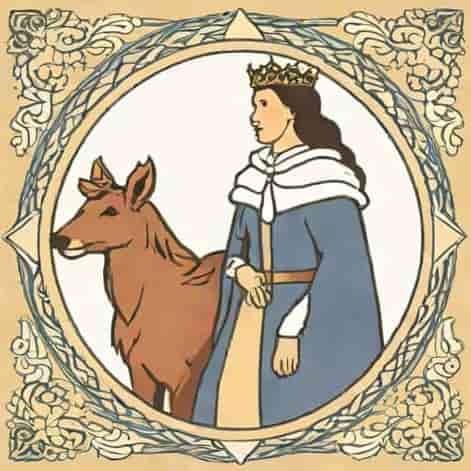
Queen of the North by Anne O’Brien is a richly detailed historical novel that brings to life a dramatic period of medieval English history through the eyes of a woman whose loyalty, ambition, and courage are tested by turbulent political forces. Set in the year 1399, the story follows Elizabeth Mortimer, a noblewoman with strong claims and deep family ties at a time when England’s crown is under threat. As rival factions fight for power, Elizabeth must balance loyalty to her king, dedication to her family’s future, and her own inner convictions about what justice and duty truly mean. The novel blends political intrigue, emotional conflict, and vivid period detail, making it compelling not only for fans of historical fiction but also for readers interested in the roles women played behind the scenes of major events in history.
About the Author Anne O’Brien
Anne O’Brien is a Sunday Times bestselling author known for her engaging historical novels that focus on women whose lives have often been overlooked in traditional accounts. Before becoming a fulltime novelist, she studied history at Manchester University and earned a Master’s in Education. Her background as a history teacher deeply influences her approach to storytelling, allowing her to weave rich historical detail into narratives that are accessible and emotionally resonant for modern readers. O’Brien lives in the Welsh Marches, an area with a heritage of castles, ancient sites, and landscapes that inspire the medieval settings of her novels. Her work includes several popular titles in addition to Queen of the North, and she is recognized for bringing depth and authenticity to the female characters at the heart of her books.
Historical Setting of Queen of the North
The novel takes place in 1399, a year marked by upheaval in England. King Richard II’s grip on power is weakening, and tensions are rising as exiled noblemen return to reclaim their lands and titles. In the midst of this instability, Elizabeth Mortimer’s family finds itself caught between loyalty to the crown and their own political ambitions. The northern lands of England bordering Scotland are strategically important and fiercely defended by powerful noble families, including the Percys, who are known as guardians of the northern frontier.
Political Tensions and Rival Claims
At the core of the political drama in Queen of the North is the struggle for the English throne. Richard II’s rule has been undermined by both internal dissent and external threats. Henry of Lancaster, who later becomes King Henry IV, returns from exile with a growing army and a powerful claim. In contrast, Elizabeth Mortimer believes that her eightyearold nephew, Edmund, Earl of March, is the rightful heir according to inheritance laws. This conflict sets the stage for intense court intrigue, shifting alliances, and the kind of political tension that drives the novel’s narrative forward.
Elizabeth Mortimer The Queen of the North
Elizabeth Mortimer is the central figure of the novel, and the title Queen of the North reflects not only her role within her powerful northern family but also the strength and resilience she exhibits throughout the changing political landscape. Although she is not an actual queen in the formal sense, her influence and position within her family and regional politics give her a commanding presence. Married at a young age to Sir Henry Percy, known on the battlefield as Hotspur, Elizabeth becomes deeply intertwined with one of the most formidable families in northern England.
A Woman Caught Between Loyalties
Elizabeth’s journey is shaped by her struggle to navigate competing pressures. On one hand, she feels deep loyalty to the reigning king and the established order. On the other, she is convinced that her nephew’s claim must be upheld to secure her family’s future. This conflict forces her to act strategically, often in secret, and to weigh the personal cost of her decisions. Her position highlights the limited but significant ways noblewomen could exert power in a maledominated society, using diplomacy, alliances, and subtle influence rather than open force.
The Novel’s Major Themes
Queen of the North explores several themes that resonate beyond its medieval setting, including loyalty, ambition, identity, and the personal cost of political engagement. The novel delves into the ways individuals respond to changing power dynamics and how personal convictions can come into conflict with public obligations. It also examines how women in positions of relative power navigated patriarchal societies, often using intelligence and agency to impact outcomes that were traditionally decided by men.
Loyalty and Betrayal
Loyalty – whether to family, king, or personal principle – is a central theme in the novel. Elizabeth faces decisions that could be interpreted as acts of betrayal by some even as they align with deeper beliefs about justice or legitimacy. These complexities give emotional texture to the story and illustrate that loyalty is often a difficult and nuanced moral choice.
Ambition and Power
Ambition drives many of the characters in Queen of the North. The shifting claims to the throne, the alliances made and broken, and the choices of leaders on both sides reflect the high stakes of medieval politics. For Elizabeth and her husband, ambition is bound up with survival as much as personal legacy, making their decisions consequential not just for themselves but for entire regions.
Setting and Atmosphere
Anne O’Brien’s novel is celebrated for its atmospheric rendering of medieval England. The northern landscapes, fortified castles, and royal courts are described with attention to historical detail that helps immerse readers in the time period. The setting is not merely a backdrop but an active part of the narrative, shaping the mood and influencing characters’ actions. The harsh realities of life in the North, including cold winters, feuding neighbors, and constant threats of conflict, add a layer of vivid realism to the story.
Critical Reception and Impact
Queen of the North has been praised by reviewers for its vivid storytelling, depth of research, and compelling characters. Critics have highlighted how Anne O’Brien brings forgotten or lesserknown historical figures to life, giving agency to women whose stories have often been overshadowed in traditional histories. Reviews note that the novel offers a blend of political intrigue, emotional drama, and historical authenticity that appeals to readers of historical fiction and medieval narratives alike.
- Vivid portrayal of medieval politics and social structures.
- Complex, welldeveloped characters, especially female protagonists.
- Insight into the roles of noble families in shaping England’s history.
- Strong engagement with themes of loyalty, power, and legacy.
- Immersive setting that brings historical periods to life.
Why Queen of the North Matters
The novel stands out not just as an entertaining story but as a piece of historical interpretation that invites readers to reconsider how history remembers women and regional leaders. By focusing on Elizabeth Mortimer, a woman of influence in her own right, Anne O’Brien highlights the complexity of medieval society and the multiple forms of leadership that existed beyond kings and male nobles. The book contributes to a growing appreciation for historical fiction that examines wellresearched past events through the experiences of characters who might otherwise have remained unknown or underappreciated.
Queen of the North by Anne O’Brien is a captivating historical novel that blends political intrigue, personal drama, and richly imagined medieval settings to tell the story of Elizabeth Mortimer, a noblewoman navigating a world of shifting power and contested loyalties. With Anne O’Brien’s background in history and her talent for bringing forgotten figures to life, the novel offers both entertainment and insight into the lives of women who shaped history from the shadows. Its exploration of loyalty, ambition, and identity makes it relevant for contemporary readers as well as fans of historical fiction. Whether appreciated for its narrative depth, its engaging characters, or its meticulous period detail, the book holds a significant place in modern historical storytelling.