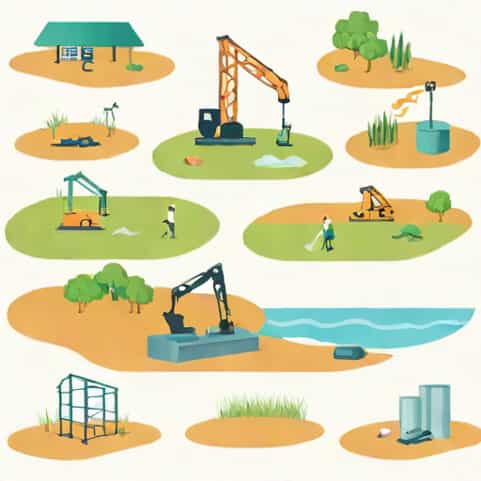
Land reclamation and rehabilitation are topics that often lead to complex questions, especially as communities search for responsible ways to restore damaged environments or create new usable land. People want to understand how the process works, what environmental impacts might arise, and how long-term sustainability can be protected. These concerns grow as cities expand, industries operate near natural areas, and governments look for solutions to balance development with ecological preservation. Because land recovery involves science, policy, and community interests, clear explanations help many readers navigate the subject with confidence.
Understanding Land Reclamation
Land reclamation refers to the process of creating new land from oceans, rivers, lakes, wetlands, or degraded areas. This often includes filling, draining, or reshaping land to support human activities such as agriculture, housing, transportation, and industrial development. While reclamation can increase available space, it raises important questions about safety, environmental impact, and long-term stability.
Common Questions About Reclamation
- What natural areas are suitable for reclamation?
- How does reclamation change coastal and inland ecosystems?
- What materials are used to fill and stabilize reclaimed land?
- How long does reclaimed land need before it is safe for use?
Reclamation projects vary depending on the location and purpose. Engineers must carefully study soil conditions, water movement, and geological risks before starting any major development. Using the right materials and techniques can reduce erosion, prevent flooding, and help maintain structural integrity.
Environmental Concerns in Reclamation Projects
Because reclamation alters natural landscapes, it can affect biodiversity, water flow, and ecosystems. Many people wonder whether these changes can be controlled or reversed. Environmental scientists emphasize the importance of careful planning to avoid harming habitats and to protect species living in sensitive areas.
Questions About Environmental Impact
- Does reclamation destroy wildlife habitats?
- Can coastal reclamation increase the risk of erosion or flooding?
- How do reclaimed areas affect water quality?
- Are there ecological benefits to certain reclamation methods?
Although environmental impacts are a major concern, some reclamation methods aim to support nature rather than replace it. Techniques such as building artificial wetlands, restoring mangroves, and using eco-friendly materials can help balance development with environmental responsibility. Still, proper monitoring is necessary to track changes over time.
The Purpose of Land Rehabilitation
Land rehabilitation focuses on restoring areas that have been degraded by mining, construction, farming, or natural disasters. Unlike reclamation, which may involve creating entirely new land, rehabilitation seeks to repair existing land and return it to productive or ecologically healthy conditions.
Common Rehabilitation Questions
- How do experts evaluate damage to land?
- What steps are involved in soil restoration?
- Can native plants grow again in heavily damaged areas?
- How long does full rehabilitation typically take?
Rehabilitation often involves improving soil quality, replanting vegetation, managing water flow, and reducing pollution. The process may take years, depending on the severity of degradation. Many projects rely on a combination of local knowledge, scientific research, and community involvement.
Techniques Used in Land Reclamation and Rehabilitation
Various techniques are applied to reclaim or rehabilitate land. The choice depends on environmental conditions, goals, and available resources. People frequently ask how experts decide which method is best and which approaches offer the most sustainable results.
Common Techniques
- Soil compaction and stabilization
- Vegetation planting and erosion control
- Water management through channels or wetlands
- Use of natural barriers to protect reclaimed coastlines
Each technique carries advantages and limitations. For example, planting vegetation helps reduce erosion, but it requires time and maintenance. Soil stabilization provides quick support for construction but may affect groundwater flow. Successful projects usually combine multiple methods.
Community and Social Considerations
Land reclamation and rehabilitation influence not only the environment but also local communities. People often question how these projects affect livelihoods, resources, and relationships with the land. In some areas, community approval is essential before development can begin.
Questions From Communities
- Will reclamation reduce access to fishing or farming areas?
- How will rehabilitation affect nearby villages or businesses?
- Who is responsible for long-term monitoring?
- What benefits will local residents receive?
Community participation is important because people who live near affected areas often understand the land better than outside planners. Projects that involve local perspectives tend to achieve more balanced and sustainable outcomes.
Economic Factors and Decision-Making
Another major concern involves the economic value of land reclamation and rehabilitation. Decisions often depend on cost, future benefits, and potential risks. People want to know whether these projects are financially worthwhile and how they influence regional development.
Questions About Cost and Value
- Are reclamation projects more expensive than rehabilitation efforts?
- How do governments justify the investment?
- What industries benefit most from reclaimed land?
- Can rehabilitation improve long-term agricultural productivity?
Economically, reclaimed land can create new opportunities for housing, tourism, agriculture, or industry. Rehabilitation can restore valuable farmland or revive ecosystems that support local economies. However, poor planning can lead to wasteful spending or unintended environmental damage.
Regulations and Safety Standards
Because reclamation and rehabilitation can significantly alter natural landscapes, they are governed by strict regulations. Many readers want to know who oversees these rules and what safeguards exist to prevent misuse or environmental harm.
Questions About Safety and Compliance
- Which agencies regulate land reclamation?
- How are environmental assessments conducted?
- Do rehabilitation projects require long-term reporting?
- What penalties exist for violating environmental standards?
Regulations ensure that developers follow scientific guidelines and minimize ecological disruption. Environmental impact assessments help identify risks early, guiding planners toward safer and more responsible decisions. Monitoring continues even after projects are completed to ensure long-term stability.
Future Challenges and Innovations
As technology advances, new ideas for restoring and creating land continue to emerge. People are curious about the future of land recovery and which innovations may help address climate change, rising sea levels, and increased land demand.
Questions About the Future
- Can new technologies reduce the environmental footprint of reclamation?
- Will climate change make these projects more difficult?
- How can natural solutions support long-term resilience?
- What global trends are shaping reclamation policies?
Future innovations may include environmentally friendly materials, improved water management systems, and ecological engineering that supports biodiversity. As climate conditions change, planners will need to adapt strategies that protect both communities and natural ecosystems.
Questions on land reclamation and rehabilitation highlight the need for thoughtful decision-making, strong scientific understanding, and community involvement. Whether creating new land or restoring damaged areas, these processes require careful planning to ensure environmental balance and long-term sustainability. By exploring key concerns and seeking informed answers, individuals and communities can better understand how land recovery supports economic growth, ecological health, and future environmental resilience.