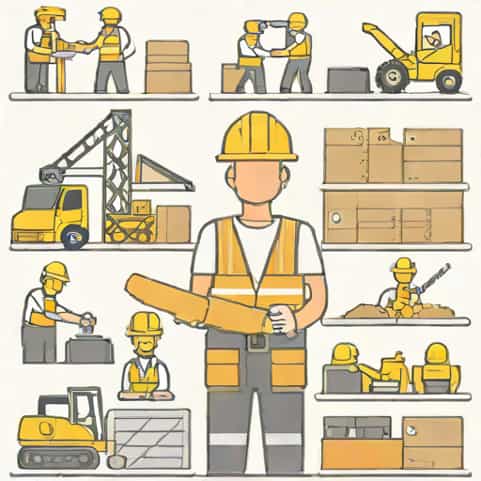
In a construction company, the role of a storekeeper is crucial to ensuring smooth operations, timely project completion, and cost-effective management of materials. A storekeeper is responsible for managing inventory, organizing supplies, and coordinating with project managers to ensure that all necessary materials are available when needed. The position requires attention to detail, organizational skills, and knowledge of construction materials and safety standards. Effective storekeeping can reduce delays, prevent wastage, and optimize resource utilization, making it a vital function in the success of any construction project.
Key Responsibilities of a Storekeeper
A storekeeper in a construction company has a wide range of responsibilities, which extend beyond simple storage of materials. They are responsible for maintaining accurate records, ensuring safety standards are met, and managing the movement of supplies between warehouses and construction sites. Their work directly impacts project timelines, budget management, and operational efficiency.
Inventory Management
One of the primary responsibilities of a storekeeper is inventory management. This involves keeping track of all construction materials, tools, and equipment. The storekeeper ensures that sufficient quantities of materials are available without overstocking, which can tie up capital unnecessarily. Accurate inventory records help in monitoring usage trends, planning future purchases, and preventing shortages that could halt construction activities.
- Maintaining detailed stock registers for materials and tools.
- Conducting regular inventory audits to prevent discrepancies.
- Monitoring stock levels and notifying management of low or excess inventory.
- Implementing effective storage systems to avoid damage or loss of materials.
Procurement and Supply Coordination
While storekeepers may not directly handle procurement, they play a critical role in coordinating supply orders with suppliers and project managers. They communicate material requirements, delivery schedules, and storage needs to ensure seamless operations. This coordination minimizes project delays and helps maintain smooth workflows on site.
- Communicating with suppliers regarding material deliveries and specifications.
- Ensuring timely dispatch of materials to construction sites.
- Coordinating with project managers to understand material needs for upcoming phases.
- Preparing requisitions and assisting in procurement documentation.
Material Inspection and Quality Control
Storekeepers are also responsible for inspecting incoming materials to ensure they meet quality standards. They check for defects, correct quantities, and compliance with safety regulations. Maintaining quality control prevents the use of substandard materials, which could compromise construction safety and integrity.
- Inspecting deliveries for quantity and quality compliance.
- Recording defective or damaged materials and coordinating replacements.
- Ensuring compliance with company and industry standards.
- Maintaining documentation for quality audits.
Safety and Security
Safety is a major responsibility of a storekeeper in a construction environment. They must ensure that materials and tools are stored safely to prevent accidents and damage. Proper storage practices include organizing heavy materials on sturdy racks, securing hazardous chemicals, and ensuring clear pathways in storage areas. Additionally, storekeepers implement security measures to prevent theft or unauthorized access.
- Maintaining safe storage practices for all construction materials.
- Ensuring compliance with safety regulations and guidelines.
- Monitoring access to the store and maintaining security logs.
- Training staff on safe handling of equipment and hazardous materials.
Record Keeping and Documentation
Accurate documentation is essential for tracking materials, managing budgets, and auditing operations. Storekeepers maintain records of all transactions, including receipts, issues, returns, and transfers. Detailed documentation helps in identifying wastage, planning future purchases, and ensuring accountability within the organization.
- Maintaining records of material receipt and issue.
- Documenting returns, damages, and adjustments in stock.
- Preparing reports for management regarding stock levels and usage.
- Maintaining vendor invoices and delivery notes for reference and auditing.
Coordination with Other Departments
A storekeeper works closely with various departments within the construction company. Coordination with project managers ensures that the required materials are available on time. They also liaise with procurement, finance, and site supervisors to ensure smooth operations and accurate financial reporting related to material usage.
- Communicating material requirements to project managers and supervisors.
- Providing data to finance for budget tracking and cost analysis.
- Coordinating with procurement to prevent shortages or overstocking.
- Supporting site teams with quick access to tools and materials.
Skills and Competencies Required
To perform effectively, a storekeeper in a construction company must possess certain skills and competencies. Organizational abilities, attention to detail, and knowledge of construction materials are essential. Additionally, familiarity with inventory management software, safety protocols, and documentation standards enhances efficiency.
- Strong organizational and multitasking skills.
- Knowledge of construction materials and tools.
- Basic understanding of safety regulations and procedures.
- Proficiency in record keeping and inventory management software.
- Good communication skills for coordination with teams and suppliers.
Challenges Faced by Storekeepers
Storekeepers in construction companies often face challenges such as fluctuating project demands, delays in supply, and managing large volumes of materials. They must adapt to tight schedules, unpredictable site requirements, and occasional shortages of critical resources. Effective storekeepers overcome these challenges through careful planning, proactive communication, and meticulous record-keeping.
- Managing high volumes of materials and limited storage space.
- Handling sudden changes in project requirements.
- Preventing theft, damage, or misplacement of materials.
- Ensuring timely supply to avoid delays in construction.
Importance of the Storekeeper Role
The storekeeper’s role is indispensable in a construction company. Efficient storekeeping reduces wastage, ensures timely availability of materials, and helps maintain project budgets. Without a competent storekeeper, construction projects can face delays, cost overruns, and logistical issues. The storekeeper ensures that materials, tools, and equipment are organized, accounted for, and ready for use whenever needed.
Key Benefits of Effective Storekeeping
- Improved efficiency in material management and site operations.
- Reduced wastage and minimized cost overruns.
- Enhanced safety and security of materials and tools.
- Better coordination between departments and smoother project execution.
- Accurate data for budgeting, auditing, and future planning.
The responsibilities of a storekeeper in a construction company go far beyond simply storing materials. They are essential for inventory management, safety, procurement coordination, record keeping, and supporting project teams. A skilled storekeeper ensures that construction projects run smoothly, materials are used efficiently, and safety standards are maintained. Their role directly contributes to cost control, timely project completion, and overall operational efficiency. Understanding and valuing the work of a storekeeper is crucial for any construction company aiming for success, making this position one of the backbone roles in construction management.