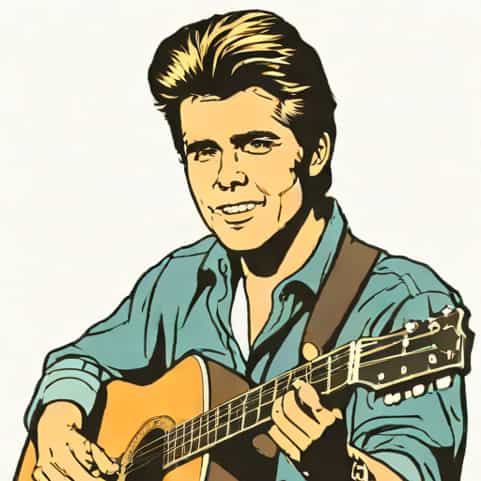
Hello Mary Lou by Ricky Nelson is a timeless rock and roll classic that has left a lasting impact on the music industry since its release in the early 1960s. Known for its catchy melody, upbeat rhythm, and youthful energy, the song helped solidify Ricky Nelson’s status as one of the most influential figures in the development of rock and roll. Its success extended beyond the charts, influencing future generations of musicians and contributing to the popularization of rock music among American youth. The song captures the essence of the era, reflecting both the excitement and the innocence of early rock and roll culture.
Ricky Nelson Early Life and Career
Ricky Nelson, born Eric Hilliard Nelson in 1940, grew up in a showbiz family, which greatly influenced his career path. As the son of famous actors Ozzie and Harriet Nelson, Ricky gained early exposure to the entertainment industry. He appeared regularly on the family television show The Adventures of Ozzie and Harriet, which provided him with a platform to showcase his musical talent. This exposure helped Ricky gain a loyal following and established him as a teenage heartthrob and emerging rock and roll star. His natural charisma, combined with his musical abilities, positioned him for success in both television and music.
Transition to Music
While Ricky Nelson’s television fame provided initial recognition, his true passion lay in music. Inspired by rock and roll pioneers such as Elvis Presley, Buddy Holly, and Carl Perkins, Nelson began recording songs that appealed to the teenage audience of the time. He quickly gained a reputation for his smooth vocals, melodic sensibility, and ability to blend country, pop, and rock influences. This transition from television star to music icon allowed Ricky Nelson to reach a broader audience and achieve lasting success in the music industry.
The Making of Hello Mary Lou
Hello Mary Lou was written by Gene Pitney, a talented songwriter who later became a successful performer in his own right. The song was recorded by Ricky Nelson in 1961 and released as a single that quickly gained popularity. With its infectious melody, simple yet relatable lyrics, and strong guitar-driven arrangement, the track resonated with young listeners and became a defining hit of Nelson’s career. The song exemplifies the early rock and roll style, combining energetic instrumentation with storytelling lyrics that capture the excitement and romance of teenage life.
Song Structure and Musical Elements
The structure of Hello Mary Lou reflects the straightforward and catchy style typical of early rock and roll. The song features a driving rhythm, prominent guitar riffs, and a memorable chorus that invites audience participation. Nelson’s smooth vocal delivery enhances the song’s appeal, making it both approachable and timeless. Key musical elements include
- Upbeat tempo that energizes listeners
- Memorable guitar riffs and solos
- Simple chord progression for easy sing-along
- Engaging narrative lyrics about young love
These elements combine to create a song that remains enjoyable across generations, highlighting the enduring quality of Nelson’s music.
Impact and Popularity
Hello Mary Lou quickly climbed the charts upon its release, cementing Ricky Nelson’s reputation as a leading figure in rock and roll. The song’s popularity extended beyond the United States, reaching audiences in Europe and other international markets. Its success also contributed to the continued growth of Nelson’s career, allowing him to release more hits and maintain a significant presence in the music industry throughout the 1960s. The track’s catchy nature and relatable lyrics helped it become a staple of radio playlists, further solidifying its status as a classic.
Influence on Rock and Roll
The influence of Hello Mary Lou extends beyond its chart performance. The song played a role in shaping the sound of early rock and roll, demonstrating the power of combining catchy melodies with relatable lyrics and energetic instrumentation. Many subsequent artists drew inspiration from Nelson’s style, integrating elements of his approach into their own music. The song’s enduring popularity highlights its role as a touchstone for musicians and fans alike, reflecting the lasting impact of early rock and roll on popular culture.
Cultural Significance
Hello Mary Lou also holds cultural significance as a representation of early 1960s youth culture. The song captures the optimism, excitement, and innocence of the era, reflecting the experiences of teenagers navigating love, friendship, and social interactions. Its themes resonated with a generation eager to embrace new forms of music and self-expression, contributing to the wider cultural shift that rock and roll facilitated. The song’s inclusion in movies, television shows, and compilation albums has helped preserve its legacy for contemporary audiences.
Legacy of Ricky Nelson
Ricky Nelson’s legacy as an artist is closely tied to hits like Hello Mary Lou. His ability to bridge television fame with musical success set a precedent for future entertainers, demonstrating the potential for multi-platform influence. Nelson’s contributions to rock and roll have been recognized by music historians and fans alike, with his songs continuing to be celebrated in retrospectives and live performances. Hello Mary Lou remains one of the signature tracks that define his career, embodying his style and the spirit of the early rock and roll era.
Modern Recognition and Covers
Over the decades, Hello Mary Lou has been covered and reinterpreted by various artists, attesting to its enduring appeal. Covers span multiple genres, including country, pop, and rock, demonstrating the song’s versatility and influence. Modern audiences continue to discover the track through streaming platforms, classic rock radio stations, and retrospective collections, ensuring that Ricky Nelson’s music remains accessible to new generations. These continued reinterpretations highlight the song’s timeless nature and its role as a benchmark in rock and roll history.
Continued Relevance
Despite the passage of time, Hello Mary Lou continues to be celebrated for its catchy melody, relatable lyrics, and nostalgic charm. The song is frequently included in lists of greatest rock and roll hits, classic radio rotations, and music documentaries focusing on the 1960s. Its relevance persists because it captures universal themes of youthful romance and excitement, making it relatable even for listeners who were not alive during its initial release. Ricky Nelson’s performance remains a defining example of early rock and roll artistry.
Hello Mary Lou by Ricky Nelson remains a defining classic of the rock and roll era, celebrated for its catchy melody, lively instrumentation, and relatable themes of young love and excitement. The song exemplifies Nelson’s talent as a singer and performer, highlighting his influence on early 1960s music and culture. From its creation and chart success to its lasting cultural impact and modern recognition, Hello Mary Lou continues to resonate with audiences across generations. As both a musical achievement and a cultural artifact, the song stands as a testament to Ricky Nelson’s enduring legacy and the timeless appeal of early rock and roll music.