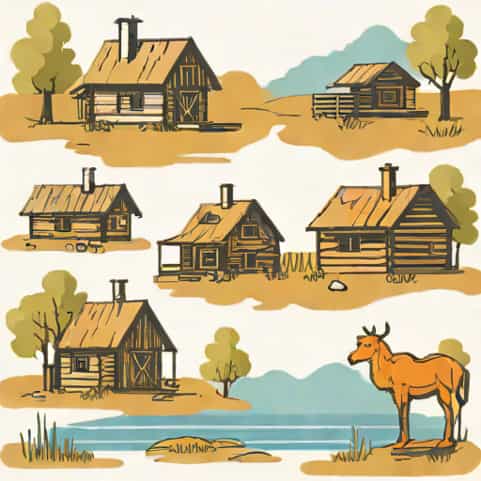
The rustic culture and lifestyle of the Upper Urals reflect a unique blend of natural beauty, traditional craftsmanship, and historical resilience. Nestled between dense forests, rugged mountains, and sweeping river valleys, the Upper Urals have been home to communities that embrace simplicity, hard work, and a deep connection with nature. The region’s remote location and harsh climate have shaped both the architecture and daily life of its inhabitants, resulting in a way of living that is profoundly tied to the land. From timber cabins to artisanal tools, the rustic heritage of the Upper Urals provides insight into the cultural and environmental adaptability of its people.
Geography and Environment of the Upper Urals
The Upper Urals are characterized by highlands, river valleys, and dense coniferous forests that stretch for hundreds of kilometers. The region experiences long, cold winters and short, warm summers, which influences agricultural practices, housing structures, and transportation. The rivers of the Upper Urals, including the Chusovaya and Tagil, have historically served as crucial transport routes, enabling trade and settlement. This environment has contributed to a culture of self-reliance, where communities must adapt to seasonal challenges and utilize local resources efficiently.
Historical Settlement Patterns
Historically, the Upper Urals were sparsely populated, with settlements primarily focused along rivers and fertile valleys. Indigenous peoples and early Russian settlers developed small villages and hamlets that relied on forestry, hunting, and metalwork. During the 18th and 19th centuries, the region became known for its iron and copper mining, which attracted skilled laborers and craftsmen. These historical settlement patterns shaped the rustic character of the Upper Urals, as communities relied on local materials to build homes, craft tools, and sustain their livelihoods.
Rustic Architecture and Housing
Homes in the Upper Urals often reflect a rustic style that prioritizes practicality, durability, and harmony with the environment. Traditional timber houses, often constructed from locally sourced pine or spruce, feature steep roofs to prevent snow accumulation and thick walls to provide insulation against harsh winters. Interiors are typically simple yet functional, with wood-burning stoves serving as the main source of heat and cooking. Many homes include handcrafted furniture and tools, showcasing the region’s heritage of woodworking and artisanal skills. These architectural features are not only functional but also contribute to the aesthetic charm associated with rustic life in the Upper Urals.
Traditional Crafts and Skills
The Upper Urals have a long-standing tradition of craftsmanship that includes woodworking, metalworking, and textile production. Local artisans produce wooden utensils, carved furniture, and decorative objects that reflect both practicality and artistic expression. Blacksmithing and metalworking have historically been significant due to the abundance of natural resources, particularly iron and copper. Textile production, including weaving and embroidery, also plays a role in the local culture, often incorporating motifs inspired by the surrounding forests and mountains. These skills have been passed down through generations, preserving the rustic identity of the region.
Food and Culinary Traditions
Culinary traditions in the Upper Urals are heavily influenced by local resources and seasonal availability. The diet traditionally includes preserved meats, smoked fish, root vegetables, mushrooms, and berries, which can be foraged from forests and rivers. Hearty soups, porridges, and stews are common, providing nourishment during long winters. Dairy products, such as cheese and butter, are often homemade. The rustic cuisine of the Upper Urals reflects the ingenuity and resourcefulness of its people, using what is available to create wholesome and satisfying meals.
Connection with Nature
Life in the Upper Urals is closely tied to the natural environment. Hunting, fishing, and foraging remain important activities for sustenance and recreation. Forests provide timber, game, and berries, while rivers and lakes offer fish and freshwater resources. Seasonal changes dictate the rhythm of daily life, from planting and harvesting crops in summer to preparing firewood and preserved foods in winter. This intimate connection with nature fosters a sense of respect for the land and its resources, which is central to the rustic culture of the Upper Urals.
Festivals and Cultural Practices
The rustic communities of the Upper Urals celebrate festivals that reflect their agricultural roots and local traditions. Seasonal festivals, such as harvest celebrations, often include music, dance, and communal feasts. Folk songs and storytelling play an important role in preserving cultural heritage, passing down local legends, history, and moral lessons. Traditional attire, crafted with skills passed through generations, is sometimes worn during celebrations to honor the region’s history and craftsmanship. These cultural practices reinforce community bonds and maintain the rustic identity of the Upper Urals.
Tourism and Rustic Experiences
In recent years, tourism has become an avenue for experiencing the rustic lifestyle of the Upper Urals. Visitors are drawn to the region for its natural beauty, hiking trails, and opportunities to stay in traditional timber houses. Rural tourism allows travelers to witness artisanal crafts, taste local cuisine, and participate in traditional activities such as berry picking or woodworking workshops. Eco-tourism and adventure tourism, including snowshoeing, skiing, and river expeditions, also showcase the rugged environment while supporting local economies. These experiences provide insight into both the natural and cultural richness of the Upper Urals.
Challenges and Modern Adaptation
Despite the enduring charm of rustic life, communities in the Upper Urals face modern challenges such as population decline, economic shifts, and access to education and healthcare. Many young people migrate to urban centers in search of opportunities, leading to aging populations in rural areas. However, there are efforts to preserve traditional practices while integrating modern amenities. Infrastructure development, internet access, and small-scale businesses contribute to sustaining communities without eroding their rustic character. Balancing tradition with contemporary needs is a central theme in the ongoing story of life in the Upper Urals.
Environmental Conservation
Conservation efforts are increasingly important in the Upper Urals, as the region’s forests, rivers, and wildlife are vital to both local livelihoods and ecological balance. Sustainable forestry, wildlife protection, and eco-tourism initiatives aim to maintain the natural beauty and resources that support rustic life. Environmental education and community involvement are essential for ensuring that the unique landscape of the Upper Urals remains intact for future generations. These efforts highlight the connection between cultural heritage and environmental stewardship in the region.
The rustic culture of the Upper Urals is a testament to resilience, creativity, and a deep connection with nature. From timber homes to traditional crafts, the people of this region have developed a lifestyle that harmonizes with their environment while preserving their cultural heritage. Despite modern challenges, the Upper Urals continue to showcase the beauty of rustic living through its architecture, cuisine, crafts, and festivals. By appreciating and supporting these traditions, both locals and visitors can ensure that the rustic essence of the Upper Urals endures, offering insight into a way of life that blends history, nature, and community in a unique and enduring manner.