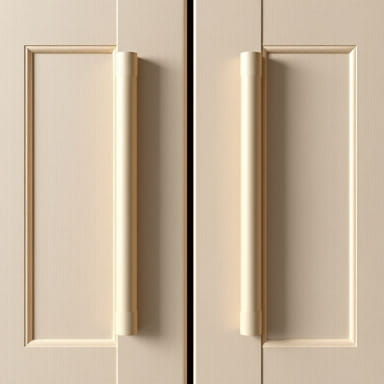
When upgrading a kitchen or bathroom, one of the most overlooked yet essential components is the cabinet hinge. Specifically, soft close cabinet hinges have become a popular choice among homeowners, interior designers, and contractors due to their practical function and sleek mechanism. These hinges offer more than just aesthetics they help extend the lifespan of your cabinetry, reduce noise, and add a layer of sophistication to any space. Understanding how soft close hinges work and the benefits they offer is crucial when considering a cabinet upgrade or new installation project.
What Are Soft Close Cabinet Hinges?
Soft close cabinet hinges are specialized hinges designed to close cabinet doors gently and quietly. Unlike traditional hinges that allow a cabinet door to slam shut, soft close hinges utilize a built-in hydraulic or pneumatic mechanism that slows the motion of the door as it closes. This system prevents abrupt closure and significantly reduces impact and noise.
Components of a Soft Close Hinge
- Hinge Arm: The part attached to the cabinet frame that holds the door in place.
- Mounting Plate: The section that connects the hinge to the cabinet body.
- Hydraulic or Pneumatic Cylinder: The mechanism that controls the speed of door closure.
- Adjustment Screws: These allow you to tweak the hinge for precise alignment and function.
Benefits of Installing Soft Close Hinges
Choosing soft close cabinet hinges can transform the daily experience of using your kitchen or bathroom. Here are the major advantages:
Noise Reduction
One of the most immediate benefits is the elimination of door slamming. The soft close mechanism ensures each door closes silently, which is especially useful in homes with small children or light sleepers.
Cabinet Protection
Repeated slamming of cabinet doors can cause damage over time, such as loosened joints, chipped wood, or even cracked frames. Soft close hinges reduce this wear and tear, helping preserve your investment in high-quality cabinetry.
Improved Safety
These hinges reduce the risk of fingers getting pinched between the door and the frame. The slow-closing action gives users time to react, which is particularly beneficial for families with young children.
Increased Home Value
Potential buyers often notice the small touches that suggest quality. Soft close cabinet hinges indicate a modern and thoughtful design, adding subtle yet significant appeal to your home’s resale value.
Types of Soft Close Cabinet Hinges
While all soft close hinges share a common function, they come in various designs to fit different cabinetry styles and installation preferences:
Overlay Hinges
These are the most common and are used when the cabinet door completely covers the cabinet frame. They’re easy to install and compatible with most modern cabinetry.
Inset Hinges
Inset hinges are used when the door fits flush with the cabinet frame. These are typically found in custom or high-end cabinets and require precise installation.
Partial Overlay Hinges
These allow two cabinet doors to share a single partition wall. Soft close versions of these hinges are often used in corner cabinets or other compact kitchen layouts.
How to Install Soft Close Cabinet Hinges
Replacing or installing soft close hinges is a manageable DIY project if you have basic tools and an understanding of cabinetry. Here’s a general overview of the installation process:
Tools You May Need
- Drill and drill bits
- Screwdriver
- Measuring tape
- Level
- Pencil for marking
Installation Steps
- Remove the existing hinges from your cabinet and door.
- Position the new soft close hinge on the door using the same screw holes, or mark and drill new ones if needed.
- Secure the hinge to the door first, then attach the mounting plate to the cabinet body.
- Adjust the hinge using the built-in screws to ensure the door sits flush and closes correctly.
- Test the soft close function by opening and closing the door several times.
Maintenance and Longevity
Soft close cabinet hinges are designed to be durable and long-lasting. However, occasional maintenance can help ensure optimal performance:
- Clean hinges regularly to prevent dust buildup that might affect performance.
- Tighten screws periodically to ensure the hinges stay secure.
- If the soft close mechanism becomes stiff or stops working, consider replacing just the cylinder instead of the entire hinge.
Cost Considerations
The cost of soft close cabinet hinges can vary widely depending on the brand, material, and design. On average, you can expect to pay between $4 to $12 per hinge. Higher-end models with premium finishes may cost more. While this is a small investment per unit, the cumulative cost for a full kitchen can add up. However, the durability and benefits often outweigh the initial expense.
Soft Close Hinges vs. Standard Hinges
It’s important to understand how soft close hinges differ from traditional cabinet hinges:
| Feature | Soft Close Hinges | Standard Hinges |
|---|---|---|
| Closing Action | Slow, controlled, silent | Fast, can be noisy |
| Safety | Reduces risk of pinched fingers | Higher risk of injury |
| Durability | Prolongs cabinet life | Can cause long-term damage |
| Installation | Slightly more complex | Simpler |
Where to Use Soft Close Hinges
Soft close hinges are versatile and can be used in various parts of the home:
- Kitchen cabinets: Ideal for frequently used doors and drawers
- Bathroom vanities: Prevents unnecessary noise in quiet settings
- Closets and wardrobes: Adds a touch of refinement
- Office cabinetry: Creates a professional and peaceful environment
Soft close cabinet hinges are a small yet powerful upgrade that can significantly enhance the functionality, safety, and aesthetic of your cabinets. Whether you’re remodeling your kitchen, upgrading bathroom storage, or simply looking for a quieter, more elegant solution for cabinet doors, these hinges are a smart investment. With easy installation and minimal maintenance, soft close cabinet hinges offer long-term value and everyday convenience, making them a popular choice in modern home design.