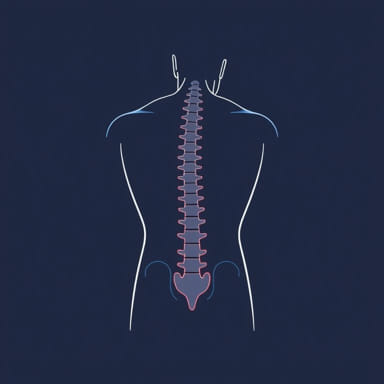
Experiencing lower back discomfort can be alarming, especially when it is accompanied by persistent pain, tingling, or numbness radiating down the legs. These symptoms may indicate a slipped disc, also known as a herniated or prolapsed intervertebral disc. This condition occurs when the soft inner material of a spinal disc protrudes through its outer layer, pressing on nearby nerves. Understanding the signs and symptoms of a slipped disc in the lower back is crucial for early diagnosis, effective treatment, and preventing further complications.
Understanding a Slipped Disc
What Is a Slipped Disc?
A slipped disc refers to the displacement of the nucleus pulposus, the soft inner gel of an intervertebral disc, through the annulus fibrosus, the disc’s tough outer ring. This protrusion can press on spinal nerves, leading to pain, numbness, or weakness. The lower back, or lumbar spine, is particularly prone to this condition due to its weight-bearing role and range of motion.
Causes and Risk Factors
Slipped discs can result from acute injuries, repetitive strain, or degenerative changes in the spine. Common risk factors include aging, improper lifting techniques, obesity, sedentary lifestyle, smoking, and genetics. Individuals who engage in physically demanding work or activities with frequent bending and twisting motions are also at higher risk.
Key Symptoms of a Slipped Disc in the Lower Back
Localized Lower Back Pain
The most common symptom of a slipped disc is persistent pain in the lower back. This pain can range from mild discomfort to severe, sharp, or burning sensations. Pain may worsen when bending, lifting, or twisting, and often improves with rest or lying down.
Radiating Pain (Sciatica)
When a herniated disc compresses the sciatic nerve, pain may radiate from the lower back down one leg. This sciatica typically follows a path along the buttock, thigh, calf, and sometimes into the foot. The intensity and location of the pain depend on which nerve root is affected.
Numbness and Tingling
Pressure on spinal nerves can cause sensory disturbances, including numbness or tingling sensations in the legs or feet. Some individuals describe this feeling as pins and needles, often worsening when sitting or standing for extended periods.
Muscle Weakness
Compression of the nerves may also lead to weakness in the muscles innervated by the affected nerve root. Patients may notice difficulty lifting the foot (foot drop), weakened grip strength in the legs, or an inability to maintain normal walking patterns.
Changes in Reflexes
A slipped disc can affect nerve signaling, resulting in altered reflexes in the knees or ankles. Reduced or absent reflexes may indicate significant nerve involvement and necessitate prompt medical evaluation.
Aggravating Factors
Certain movements and positions can exacerbate symptoms. Sitting for prolonged periods, coughing, sneezing, or sudden twisting can intensify pain. Activities that increase intra-abdominal pressure often worsen nerve compression symptoms.
Additional Warning Signs
Bladder or Bowel Dysfunction
In rare cases, a severe slipped disc may compress nerves controlling the bladder or bowel. Symptoms include difficulty controlling urination or bowel movements, which require immediate medical attention.
Unexplained Leg Pain or Weakness
If leg weakness or pain appears suddenly or worsens rapidly, it may indicate acute nerve compression. Prompt intervention is essential to prevent permanent nerve damage.
Postural Changes and Mobility Limitations
Individuals may adopt unusual postures to reduce pain, such as leaning to one side or minimizing spinal movement. Reduced flexibility, difficulty standing upright, and limited mobility are common indicators of disc problems.
Diagnosis and Medical Evaluation
Physical Examination
Healthcare providers evaluate a patient’s medical history, perform neurological assessments, and assess pain patterns. Physical exams include testing reflexes, muscle strength, and sensory function to identify nerve involvement.
Imaging Studies
Diagnostic imaging, such as MRI or CT scans, provides detailed views of the spinal discs, nerves, and surrounding tissues. MRI is particularly useful for visualizing the extent of disc herniation and nerve compression, confirming the presence of a slipped disc.
Treatment Approaches
Conservative Management
Most cases of lower back slipped discs are managed with non-surgical treatments. These include
- Rest and activity modification to reduce strain on the spine
- Physical therapy exercises to strengthen core and back muscles
- Pain relief medications such as NSAIDs or analgesics
- Hot or cold therapy to alleviate inflammation and discomfort
- Epidural steroid injections for severe or persistent nerve pain
Surgical Intervention
Surgery may be necessary for patients with persistent pain, progressive weakness, or significant nerve compression. Common procedures include discectomy or microdiscectomy, where the herniated portion of the disc is removed to relieve nerve pressure. Spinal fusion may be considered in severe cases involving spinal instability.
Prevention and Lifestyle Considerations
Maintaining Spine Health
Preventing slipped discs involves proper body mechanics, regular exercise, weight management, and ergonomic practices. Strengthening the core, maintaining flexibility, and avoiding repetitive stress on the lumbar spine help reduce the risk of disc herniation.
Ergonomic and Postural Awareness
Adjusting workstations, practicing safe lifting techniques, and avoiding prolonged sitting or improper posture are critical preventive strategies. Regular stretching and maintaining a neutral spine during daily activities support overall spinal health.
Symptoms of a slipped disc in the lower back can vary from mild discomfort to severe, debilitating pain with neurological complications. Early recognition of signs such as localized pain, radiating leg pain, numbness, tingling, muscle weakness, and changes in reflexes is vital for effective management. Timely diagnosis through physical examination and imaging, combined with appropriate conservative or surgical treatments, can relieve symptoms, prevent complications, and improve quality of life. Maintaining spinal health through proper posture, exercise, and ergonomic practices is essential to minimize the risk of future disc problems and promote long-term mobility and well-being.