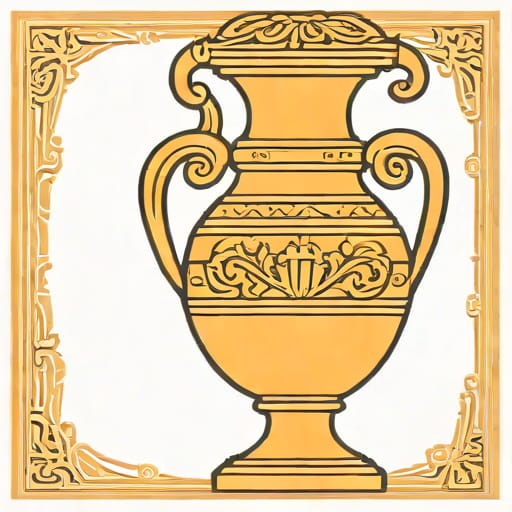
John Keats’ Ode on a Grecian Urn is one of the most celebrated poems in English literature, often admired for its beauty, depth, and philosophical insight. Written in 1819, during the Romantic period, this ode explores the relationship between art, beauty, and human experience. Keats was fascinated by classical art, and in this poem, he reflects on the timeless quality of an ancient Grecian urn, using it as a lens to examine life, death, and the nature of eternity. The poem combines rich imagery, meditative thought, and lyrical elegance, making it a profound exploration of how art captures moments and communicates universal truths across time. This topic provides a detailed synopsis of Ode on a Grecian Urn, helping readers understand its themes, imagery, and philosophical ideas in a clear and accessible way.
Introduction to the Poem
Ode on a Grecian Urn is structured as a classical ode, a form that allows for lyrical expression and contemplation. Keats addresses the urn directly, treating it as a silent but eloquent witness to human history and emotion. The poem is rich in imagery and symbolism, reflecting Keats’ preoccupation with the eternal nature of art and its ability to capture life’s fleeting moments.
Form and Structure
The poem is composed of five stanzas, each with ten lines, following a regular rhyme scheme. The structured form reflects the order and permanence of the art Keats describes, contrasting with the transient nature of human life. By using a formal structure, Keats emphasizes the stability and timelessness of the urn’s beauty, reinforcing one of the central themes of the poem.
Stanza-by-Stanza Synopsis
Stanza 1 Addressing the Urn
The poem begins with Keats directly addressing the Grecian urn, describing it as Thou still unravish’d bride of quietness and Sylvan historian. These phrases highlight the urn’s eternal and untouched beauty, suggesting that it preserves stories from the past. Keats marvels at the urn’s ability to communicate without words, capturing moments of human life in a frozen yet meaningful way. The first stanza establishes the central focus of the poem the urn as a symbol of timeless art and history.
Stanza 2 The Lovers on the Urn
In the second stanza, Keats turns his attention to the images on the urn, particularly a scene of lovers. He describes their eternal longing, frozen in a moment of desire, for ever warm and still to be enjoy’d. The lovers cannot act on their passion, but their frozen state captures an idealized form of love, unchanging and perfect. This stanza explores the theme of ideal beauty and the tension between desire and fulfillment, suggesting that art can preserve emotions in a way that human life cannot.
Stanza 3 The Sacrificial Procession
The third stanza depicts a scene of a sacrificial ritual, showing villagers and a priest preparing for a religious ceremony. Keats observes the celebration of life, ritual, and culture, emphasizing the continuity of human traditions and communal experiences. The urn captures these moments permanently, allowing viewers across generations to witness them. This stanza reflects on the universality of human activity and the role of art in documenting societal practices and shared experiences.
Stanza 4 The Paradox of Permanence
In the fourth stanza, Keats considers the paradox inherent in the urn it is unchanging, yet the life it represents is dynamic and fleeting. The frozen images on the urn never age, suffer, or die, presenting an idealized version of life. This raises philosophical questions about the relationship between reality and art, permanence and transience. Keats meditates on the power of art to immortalize moments, even as it abstracts them from the messy realities of human existence.
Stanza 5 The Closing Reflection
The final stanza culminates in the famous lines, Beauty is truth, truth beauty,-that is all / Ye know on earth, and all ye need to know. Keats concludes that the urn embodies a universal truth through its beauty, suggesting that aesthetic experience provides insight into the essence of life. The stanza reflects a deep meditation on art’s enduring significance, emphasizing that beauty, captured and preserved, conveys timeless wisdom. Through this ending, Keats unites the poem’s themes of art, eternity, and human perception into a concise and profound reflection.
Key Themes in Ode on a Grecian Urn
1. The Permanence of Art
One of the central themes is the idea that art can capture and preserve moments forever. The Grecian urn, with its frozen images, symbolizes the permanence of beauty and the ability of art to outlast human life. Unlike people, who age and die, art maintains a continuous presence, providing a lasting connection to the past.
2. The Idealization of Life
Keats explores how art can idealize human experiences, presenting them in a perfected form. The lovers on the urn, for example, are eternally poised in desire, never experiencing disappointment or decay. This idealization offers insight into the human yearning for perfection and highlights the contrast between real life and artistic representation.
3. Transience vs. Eternity
The poem emphasizes the contrast between the fleeting nature of human life and the enduring nature of art. While people age, love fades, and cultures change, the urn remains unchanged. This juxtaposition encourages reflection on mortality, memory, and the ways in which art offers a form of immortality.
4. Beauty as Truth
The poem’s famous conclusion links beauty with truth, suggesting that the aesthetic experience itself provides a form of universal knowledge. Keats implies that by appreciating the beauty captured in art, humans can access deeper truths about existence, emotion, and experience.
Imagery and Symbolism
Keats employs rich imagery and symbolism throughout the poem to enhance its meaning
- The UrnRepresents art, permanence, and historical memory.
- The LoversSymbolize idealized love and eternal desire.
- The Sacrificial SceneReflects cultural traditions and shared human experiences.
- Frozen MomentsHighlight the contrast between dynamic human life and the static nature of art.
Ode on a Grecian Urn is a profound meditation on art, beauty, and the human experience. Through his detailed observation of the urn and its depicted scenes, Keats explores themes of permanence, idealized life, and the contrast between transience and eternity. The poem’s conclusion, equating beauty with truth, encapsulates the enduring power of art to communicate universal wisdom. For students and readers alike, the poem serves as a reminder that art preserves the essence of human experience and allows us to reflect on life’s fleeting moments in a meaningful and lasting way. Understanding the synopsis and themes of this poem enriches our appreciation of both literature and the timeless dialogue between art and human perception.