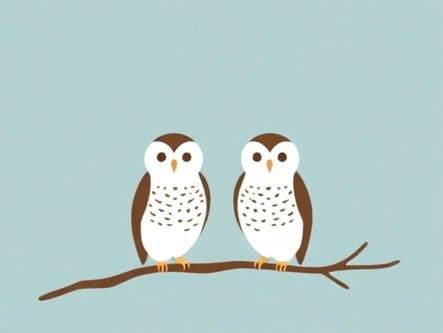
The barn owl is a fascinating creature, known for its silent flight, striking appearance, and mysterious behavior. Throughout history, barn owls have captured the imagination of many, inspiring stories and legends. Their nocturnal adventures, or wondrous capers,” reveal much about their unique adaptations and survival skills. These birds are not only vital to the ecosystem but also symbolize wisdom and mystery in various cultures. Understanding their behavior offers insight into the natural world and enriches our appreciation for wildlife.
Physical Characteristics of the Barn Owl
One of the most distinctive features of the barn owl is its heart-shaped facial disc, which is not just visually striking but also functional. This disc helps funnel sound to their ears, giving barn owls exceptional hearing abilities crucial for hunting in the dark. Their feathers are soft and designed to allow nearly silent flight, making them expert predators at night. The barn owl’s coloration, typically a mix of pale, tawny, and white shades, provides effective camouflage against the moonlit sky and in their roosting environments.
Unique Adaptations for Nocturnal Life
- Exceptional low-light vision to detect prey during nighttime.
- Highly developed hearing for locating prey hidden in grass or under snow.
- Silent flight enabled by specialized feather structure.
- Facial disc aiding in sound direction and amplification.
These adaptations enable barn owls to thrive in environments where few other predators can hunt effectively, giving them an ecological niche that is vital for controlling rodent populations.
The Hunting Techniques and Diet
The barn owl is a master hunter, often swooping silently over fields and meadows searching for small mammals. Their diet mainly consists of rodents such as mice, voles, and rats, making them beneficial to agriculture by naturally reducing pests. When hunting, barn owls rely heavily on their acute hearing to detect even the faintest movements beneath the surface. Once prey is located, they dive swiftly and precisely to capture it.
Hunting Behavior and Strategy
- Flying low over open fields to listen for prey movement.
- Hovering briefly to pinpoint exact location before striking.
- Using talons to grasp and immobilize prey quickly.
- Swallowing smaller prey whole or tearing larger prey into manageable pieces.
The barn owl’s hunting prowess is a result of evolution fine-tuning its senses and physical abilities, making it an effective nocturnal predator.
Reproduction and Nesting Habits
Barn owls are generally monogamous and establish territories where they raise their young. They prefer to nest in quiet, secluded places such as barns, abandoned buildings, hollow trees, or cliff ledges. These nesting sites provide safety from predators and harsh weather. The female typically lays between three to seven eggs, which she incubates while the male provides food. Once hatched, the owlets grow rapidly, fed by both parents until they are ready to fledge.
Raising the Young
- Incubation period lasting around 30 days.
- Parents diligently feed the owlets with freshly caught prey.
- Young owls learn to fly and hunt over several weeks before independence.
- High survival rate influenced by availability of food and safety of the nest.
The care and dedication of barn owl parents are essential to the survival of their offspring and the continuation of the species.
Cultural Significance and Symbolism
Across different cultures, barn owls have been associated with a wide range of meanings, from wisdom and protection to mystery and even ominous foretelling. In some folklore, their eerie calls are seen as warnings or messages from the spirit world. Meanwhile, many cultures admire their silent grace and nocturnal mastery, associating barn owls with insight and knowledge.
Folklore and Mythology
- In ancient cultures, owls were protectors of sacred knowledge.
- Some myths portray barn owls as guardians against evil spirits.
- In literature and art, owls often symbolize wisdom and secrecy.
- Superstitions sometimes regard their calls as bad omens.
Despite varied interpretations, barn owls remain creatures that evoke curiosity and reverence, highlighting the deep connection humans feel toward the natural world.
Conservation Status and Threats
While barn owls are widespread, they face numerous threats from habitat loss, pesticide use, and road accidents. Loss of suitable nesting sites due to modern building practices reduces available safe havens. Chemical pesticides reduce their prey and can poison the owls themselves. Conservation efforts focus on protecting habitats, installing nest boxes, and promoting awareness about their ecological role.
Efforts to Protect Barn Owls
- Habitat preservation and restoration projects.
- Installation of artificial nest boxes in suitable locations.
- Public education campaigns about the importance of owls in pest control.
- Reducing harmful pesticide use near known owl habitats.
Successful conservation measures not only help barn owls survive but also maintain balanced ecosystems by keeping rodent populations in check.
Interesting Facts about Barn Owls
- They can rotate their heads up to 270 degrees to scan their environment.
- Their pellets, which contain undigested bones and fur, provide scientists with valuable ecological information.
- Barn owls do not hoot like many other owls but make a distinct screeching call.
- They are found on every continent except Antarctica.
These fascinating facts contribute to the barn owl’s allure and importance as a species worthy of study and admiration.
The barn owl’s wondrous capers its silent flight, sharp senses, and nighttime hunting paint a picture of a remarkable bird perfectly adapted to its environment. Its role in controlling pest populations benefits humans and agriculture, while its mystique continues to inspire cultural stories and symbolism. Protecting barn owls and understanding their behavior enhances our connection to nature and reminds us of the delicate balance that sustains life. Through conservation and education, we can ensure that these enchanting birds continue their nightly adventures for generations to come.