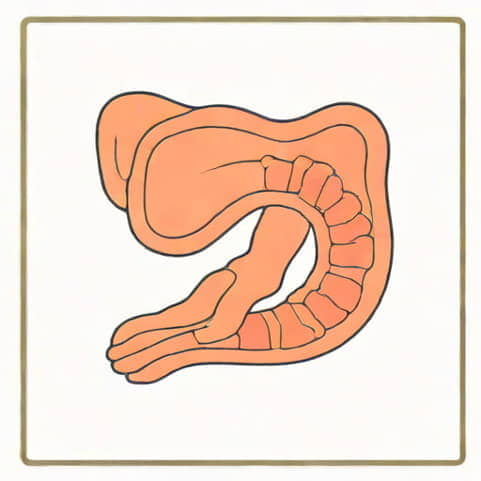
The cecum is an important anatomical structure in many animals, including humans, and it plays a significant role in the digestive system. It is a pouch-like structure located at the junction of the small intestine and the large intestine. The cecum serves as a site for the absorption of fluids and salts that remain after intestinal digestion and to mix its contents with mucus. In many herbivorous animals, the cecum acts as a fermentation chamber where microbial digestion of cellulose takes place. Understanding the function and structure of the cecum helps us draw comparisons to human organs and better comprehend its role in digestion, nutrient absorption, and overall gut health. Many people ask, The cecum is comparable to what human organ? This question highlights the importance of studying the evolutionary and functional similarities between the cecum and the human appendix, as well as its broader role in the digestive tract.
Structure and Location of the Cecum
The cecum is a blind-ended pouch located at the beginning of the large intestine. In humans, it is situated in the lower right quadrant of the abdomen, just below the junction of the ileum (the last part of the small intestine) and the ascending colon. The human cecum is relatively small compared to that of herbivorous animals, reflecting differences in diet and digestive strategy. Attached to the cecum is the vermiform appendix, a narrow, finger-like projection that has historically been considered a vestigial organ but now is understood to have certain immune functions.
Function of the Cecum
The cecum serves multiple functions in different species. In herbivores, it acts as a fermentation chamber where bacteria break down cellulose from plant material, producing volatile fatty acids that are absorbed as an energy source. In humans, the cecum is less involved in fermentation, but it still plays a role in absorbing fluids and electrolytes from partially digested food. The presence of the appendix at the cecal end also contributes to gut immunity by housing beneficial gut bacteria that can recolonize the intestines after infections or disturbances.
Comparison to Human Organs
The question of what human organ the cecum is comparable to depends largely on the perspective of digestive function. In humans, the cecum is often compared to
The Appendix
While the appendix is technically an extension of the cecum, it represents a significant evolutionary adaptation of this organ. Historically considered vestigial, the appendix has been shown to play a role in the immune system and in maintaining gut flora. Therefore, in humans, the cecum and appendix together function as a unit, with the appendix acting as a safe house for beneficial bacteria that can repopulate the intestines. This relationship is particularly important for gut health and recovery from gastrointestinal infections.
Large Intestine (Colon)
The cecum can also be compared functionally to parts of the large intestine, especially in terms of absorbing fluids and salts. While the colon is the main site for water absorption, the cecum begins the process by receiving chyme from the small intestine and starting the absorption of water, electrolytes, and other nutrients. This comparison helps illustrate the cecum’s role as the initial chamber of the large intestine and its contribution to maintaining fluid balance in the human body.
Fermentation Chambers in Herbivores
Comparing the human cecum to the cecum of herbivorous animals, such as rabbits, horses, or cows, reveals important differences in size and function. In these animals, the cecum is highly developed and acts as a fermentation vat where symbiotic bacteria break down cellulose into fatty acids. Humans, in contrast, have a smaller cecum because our diet contains less cellulose and relies more on enzymatic digestion in the stomach and small intestine. This comparison highlights evolutionary differences in dietary adaptation and digestive efficiency.
Physiological Importance of the Cecum
Despite its relatively small size in humans, the cecum has several important physiological functions
Absorption of Fluids and Electrolytes
The cecum absorbs fluids, electrolytes, and some vitamins from partially digested material that enters from the ileum. This function helps maintain the body’s water balance and electrolyte levels, contributing to overall homeostasis. Proper cecal function is important for preventing dehydration and ensuring nutrient efficiency.
Role in Gut Immunity
The cecum, along with the appendix, is involved in immune defense. Lymphoid tissue in the cecum monitors gut bacteria and helps prevent infections. The appendix, in particular, serves as a reservoir for beneficial gut microbes that can recolonize the intestines after gastrointestinal disturbances. This dual function of digestion and immunity makes the cecum a unique organ in the human body.
Transit and Mixing of Intestinal Contents
The cecum helps mix intestinal contents with mucus and digestive secretions, allowing for better absorption of nutrients in the large intestine. The slow movement of material through the cecum also facilitates microbial interactions and further digestion of remaining fibers and complex carbohydrates.
Clinical Relevance of the Cecum
Understanding the cecum is crucial in medical practice. Conditions such as appendicitis, cecal volvulus, and cecal cancer highlight the importance of this organ in maintaining digestive health. Appendicitis, which involves inflammation of the appendix attached to the cecum, is a common surgical emergency. A detailed understanding of the cecum’s anatomy and its relation to other abdominal organs aids in diagnosis and treatment of gastrointestinal conditions.
Appendicitis
Appendicitis occurs when the appendix becomes inflamed, often leading to severe abdominal pain in the lower right quadrant. Surgical removal of the appendix (appendectomy) is commonly performed to prevent rupture and complications. The cecum’s location helps surgeons locate the appendix accurately during diagnostic and surgical procedures.
Cecal Volvulus
Cecal volvulus refers to the twisting of the cecum, which can lead to bowel obstruction. Early detection and surgical intervention are critical to prevent complications such as ischemia and necrosis of the intestine. Knowledge of cecal anatomy is essential in recognizing this condition on imaging studies and during surgery.
Cecal Cancer
The cecum can be a site for colon cancer, which often presents with nonspecific symptoms like abdominal discomfort, bloating, and changes in bowel habits. Colonoscopy and imaging techniques are used to detect tumors in the cecum. Early diagnosis and treatment significantly improve patient outcomes.
Evolutionary Perspective
The human cecum represents an evolutionary adaptation from herbivorous ancestors. In species that rely heavily on plant material, the cecum is larger and more specialized for fermenting cellulose. In humans, the reduced size of the cecum reflects our shift toward a diet with less cellulose and greater reliance on enzymatic digestion. The appendix, which protrudes from the human cecum, may be a vestigial remnant of this evolutionary process but still retains functional importance in immunity.
The cecum is comparable to multiple human organs and structures depending on the perspective it is closely associated with the appendix, contributes to the functions of the large intestine, and can be compared to fermentation chambers in herbivorous animals. In humans, the cecum serves to absorb fluids and electrolytes, facilitate intestinal content mixing, and support gut immunity in conjunction with the appendix. Understanding the cecum’s structure, function, and evolutionary significance enhances our knowledge of digestive physiology, medical conditions, and dietary adaptations. Its role, though less prominent than in herbivores, remains essential for overall gut health and highlights the intricate design of the human digestive system.