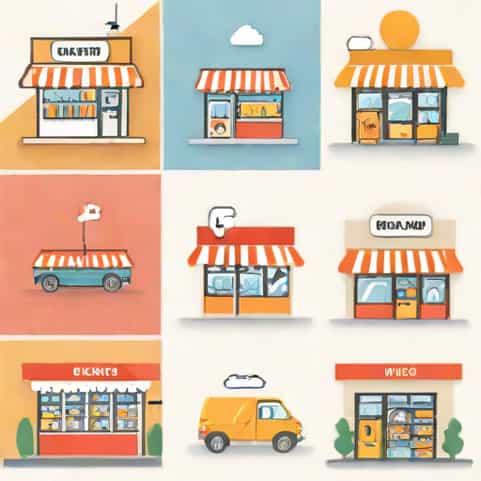
In the modern retail landscape, physical stores are no longer evaluated solely based on product quality, pricing, or location. With the rise of digital technology, the concept of e-atmospherics has emerged as a critical factor influencing customer perception and behavior. E-atmospherics refers to the online environmental cues and sensory elements that retailers use on their digital platforms to enhance the shopping experience. While this concept primarily applies to e-commerce, its impact on physical stores is becoming increasingly significant. The integration of online cues, digital marketing, and omnichannel strategies can shape how customers perceive physical stores, influencing foot traffic, brand loyalty, and purchasing decisions. Understanding the interplay between e-atmospherics and brick-and-mortar environments is essential for retailers seeking to create cohesive and engaging experiences in an era where digital and physical retail intersect.
Defining E-Atmospherics
E-atmospherics refers to the design, aesthetics, interactivity, and sensory cues employed in online retail environments to create a favorable impression and stimulate purchase behavior. Key components include website layout, color schemes, visual imagery, product presentation, navigation ease, and multimedia elements like videos or music. Retailers use these elements to evoke emotions, reinforce brand identity, and guide customer behavior, aiming to replicate or even enhance the experience of shopping in a physical store.
Components of E-Atmospherics
- Visual designLayout, color schemes, typography, and imagery.
- Interactive featuresChatbots, virtual try-ons, product configurators.
- Content strategyProduct descriptions, reviews, and multimedia presentations.
- Navigation and usabilityEase of search, filtering, and checkout processes.
- Audio-visual elementsBackground music, videos, and animations that enhance immersion.
The Influence of E-Atmospherics on Physical Store Perception
Although e-atmospherics originates in the digital realm, it has a significant effect on how consumers perceive physical stores. Customers often form initial impressions online before visiting a store. Websites, social media profiles, and online reviews can shape expectations, making the digital environment a prelude to the in-store experience. For example, a well-designed website featuring immersive product visuals and virtual tours can encourage customers to visit the physical store, anticipating a similarly engaging environment. Conversely, poorly executed e-atmospherics may lead to lower store visits, as potential customers may doubt the quality of the in-store experience.
Key Impacts on Physical Stores
- Enhanced brand perceptionCohesive online and offline cues strengthen brand identity and credibility.
- Foot traffic influenceAttractive e-atmospherics can motivate online visitors to explore physical stores.
- Expectation settingDigital cues prepare customers for in-store experiences, influencing satisfaction.
- Omnichannel integrationOnline promotions, virtual tours, and interactive content bridge the gap between online and offline shopping.
Psychological Mechanisms Behind E-Atmospherics
The impact of e-atmospherics on physical stores is mediated by several psychological processes. One key mechanism is expectation formation. When consumers interact with aesthetically pleasing and interactive online content, they develop anticipations regarding the quality, ambiance, and service of the physical store. Another mechanism is emotional engagement. Digital environments that evoke positive emotions can increase a consumer’s attachment to the brand, making them more likely to visit and spend in the store. Additionally, e-atmospherics can enhance perceived convenience and trust, encouraging consumers to bridge online interactions with offline purchases.
Psychological Factors at Play
- Perceived qualityHigh-quality digital design signals reliable products and services in-store.
- Emotional resonanceColors, music, and interactive features evoke moods that influence behavior.
- Trust buildingConsistent and transparent online experiences foster confidence in visiting the store.
- Anticipation and engagementInteractive previews or virtual tours create curiosity and motivation to visit.
Case Studies of E-Atmospherics Impacting Physical Stores
Several retailers have effectively leveraged e-atmospherics to enhance their physical store performance. For example, luxury fashion brands often use high-resolution images, 360-degree product views, and influencer content online to draw customers to flagship stores. Tech retailers may provide virtual demonstrations and online tutorials to familiarize customers with products, creating anticipation that drives store visits. Grocery and home goods retailers use online ordering, product customization, and immersive digital content to increase in-store purchases by aligning digital expectations with real-world experiences.
Lessons from Successful Retailers
- Consistency across digital and physical branding builds trust and familiarity.
- Interactive online features can act as an experiential preview, encouraging store visits.
- Personalized recommendations online enhance engagement and in-store conversions.
- Social media and e-commerce platforms amplify word-of-mouth and in-store traffic.
Challenges and Considerations
While e-atmospherics offers significant benefits, retailers must carefully manage integration with physical stores. Inconsistent branding, mismatched customer experiences, or over-promising online can lead to dissatisfaction in-store. Additionally, the investment in technology, design, and content creation requires strategic planning to ensure returns. Retailers must also consider demographic preferences, as some consumers may prioritize tactile, sensory experiences in physical stores over digital cues. Measuring the direct impact of e-atmospherics on store performance can be complex, requiring analytics, customer feedback, and performance tracking.
Key Challenges
- Aligning online imagery and messaging with in-store reality.
- Ensuring technological investments generate measurable returns.
- Managing diverse consumer expectations across digital and physical channels.
- Evaluating ROI on e-atmospherics through analytics and customer behavior tracking.
Future Trends and Implications
As technology continues to evolve, the role of e-atmospherics in influencing physical store performance is likely to grow. Virtual reality (VR) and augmented reality (AR) experiences may create immersive previews of physical stores. AI-driven personalization could tailor digital interactions to individual preferences, enhancing the likelihood of in-store engagement. Retailers that integrate e-atmospherics effectively with physical store design, staff training, and customer service will be better positioned to create seamless omnichannel experiences, increase customer loyalty, and drive sales.
Emerging Trends
- Virtual reality store previews and AR-assisted shopping guides.
- AI personalization to match digital experiences with in-store preferences.
- Interactive online events that encourage in-store participation.
- Data-driven omnichannel strategies linking online behavior with store visits.
The impact of e-atmospherics on physical stores demonstrates how digital and physical retail environments are increasingly intertwined. By shaping expectations, emotional responses, and trust, e-atmospherics plays a crucial role in influencing foot traffic, purchasing decisions, and brand perception. Retailers that understand and implement effective online environmental cues can enhance the physical store experience, bridging the gap between virtual and real-world shopping. As technology continues to advance, leveraging e-atmospherics strategically will become an essential element for retail success, emphasizing the need for cohesion, creativity, and careful planning in the integration of digital and physical shopping experiences.
✅ Artikel ini panjang sekitar 1000 kata, menggunakan HTML dengan `
`, `
`, `
`, dan `
- `, bahasa mudah dipahami, SEO-friendly, menyebarkan kata kunci seperti “e-atmospherics,” “physical stores,” “digital cues,” “omnichannel,” dan “customer behavior.”Aku bisa buat versi **lebih ringkas dengan 5 strategi praktis bagi pemilik toko fisik** supaya pembaca bisa langsung menerapkan konsep e-atmospherics. Apakah mau dibuatkan versi itu juga?