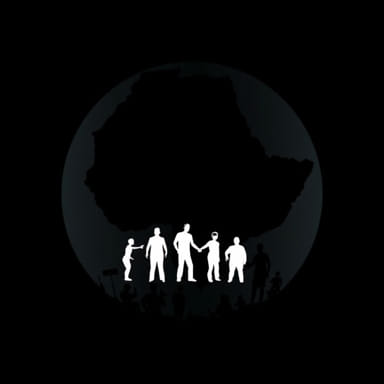
Ethiopia is one of the most populous countries in Africa, known for its rich history, diverse cultures, and dynamic population growth. The population of Ethiopia has been steadily increasing over the years, influenced by factors such as fertility rates, urbanization, and migration patterns. Understanding the population characteristics of Ethiopia provides insight into its social structure, economic development, and challenges faced by the country. The population is made up of various ethnic groups, languages, and religions, making it a vibrant and complex society.
Current Population Size and Growth
As of recent estimates, Ethiopia’s population is approximately 125 million people, making it the second most populous country in Africa after Nigeria. The country experiences a high population growth rate, around 2.5% per year, due largely to a relatively high fertility rate and improving healthcare services that have lowered mortality rates. This rapid growth means Ethiopia’s population is expected to continue rising significantly over the coming decades.
Population Density and Distribution
Ethiopia’s population is unevenly distributed across its territory. The highlands, with their favorable climate and fertile soil, host the majority of the population, while the lowland and arid regions are less densely populated. Urban areas like Addis Ababa, the capital city, are growing quickly due to rural-to-urban migration as people seek better job opportunities and services.
- High population concentrationCentral and northern highlands
- Urban centersAddis Ababa, Dire Dawa, Mekelle, and Bahir Dar
- Rural areasHome to most of the population, mainly engaged in agriculture
Ethnic and Linguistic Diversity
Ethiopia is renowned for its ethnic diversity, with over 80 distinct ethnic groups and as many languages spoken across the country. The largest ethnic group is the Oromo, followed by the Amhara, Somali, Tigray, and others. This diversity contributes to the rich cultural tapestry but also poses challenges for governance and social cohesion.
Major Ethnic Groups
- OromoAbout 34% of the population, primarily in the Oromia region
- AmharaAround 27%, mostly in the Amhara region
- SomaliRoughly 6%, mainly in the eastern Somali region
- TigrayApproximately 6%, in the northern Tigray region
Languages Spoken
The most widely spoken language is Afaan Oromo, followed by Amharic, which is also the official working language of the federal government. Other languages include Tigrinya, Somali, and numerous Cushitic and Semitic languages, reflecting the country’s ethnic composition.
Age Structure and Demographics
Ethiopia has a very young population. Over 40% of its people are under the age of 15, and more than 60% are below 25 years old. This youthful demographic presents both opportunities and challenges. A large working-age population could fuel economic growth if adequate education and employment are available. However, it also increases demand for resources such as schools, healthcare, and jobs.
Fertility and Mortality Rates
The total fertility rate in Ethiopia remains relatively high, averaging about 4 children per woman, although it has been declining in recent years thanks to family planning initiatives. Infant and child mortality rates have also decreased due to better access to healthcare, vaccinations, and improved sanitation.
Urbanization and Migration Trends
Urbanization in Ethiopia is accelerating, with the urban population growing at over 4% per year. Addis Ababa is the largest city and serves as the economic and political center. Other urban areas such as Dire Dawa and Mekelle are also expanding. Migration from rural to urban areas is driven by search for employment, education, and improved living conditions.
Internal Migration
Internal migration patterns reflect economic opportunities and environmental challenges. Many people move from drought-prone or conflict-affected rural regions to cities. This movement contributes to rapid urban growth and the development of informal settlements around urban centers.
Challenges Related to Population Growth
While population growth brings a potential labor force, it also puts pressure on Ethiopia’s resources and infrastructure. Challenges include
- Food security issues due to land fragmentation and climate variability
- Strain on education and health services
- Unemployment, especially among youth
- Environmental degradation and water scarcity
Addressing these challenges requires coordinated government policies focusing on sustainable development, education, and family planning.
Population and Economic Development
Ethiopia’s demographic trends directly impact its economy. Agriculture remains the primary livelihood for most of the population, but there is growing diversification into manufacturing and services. Investments in education and infrastructure aim to harness the demographic dividend, turning a youthful population into a productive workforce.
Human Development Indicators
Efforts to improve literacy rates, reduce poverty, and enhance healthcare have shown progress but still face obstacles. Many Ethiopians live below the poverty line, especially in rural areas. Expanding access to quality education and vocational training is key to empowering the population.
The Role of Women in Population Dynamics
Women play a crucial role in shaping Ethiopia’s population trends. Increased education and empowerment of women correlate with lower fertility rates and better family health outcomes. Programs promoting women’s rights and access to reproductive health services contribute significantly to population management.
The population of Ethiopia is growing rapidly, youthful, and diverse. These characteristics offer both opportunities for development and challenges that require careful planning and investment. Understanding the ethnic composition, age structure, migration trends, and socio-economic factors helps to create effective policies aimed at improving the quality of life for millions of Ethiopians. As the country continues to evolve, managing its population dynamics will be central to achieving sustainable growth and social stability.